
Empowering India's MSMEs for Sustainable Water Management and Waste Reduction
Water, waste & will: How India’s MSMEs can lead the sustainability revolution
 The Economic Times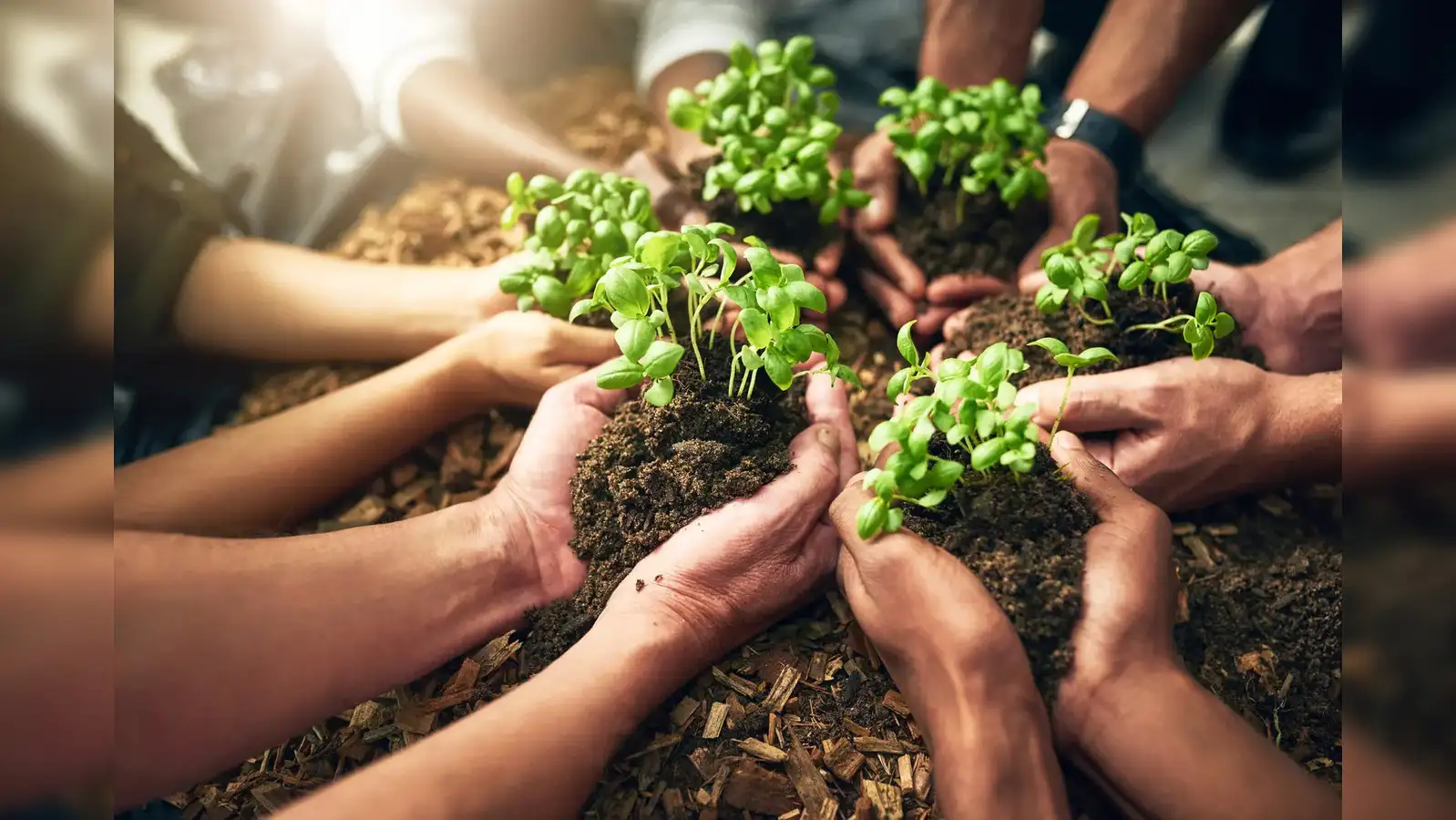
Image: The Economic Times
India's 63 million micro, small, and medium enterprises (MSMEs) are at a pivotal moment to lead the sustainability revolution by improving water management and waste handling. With innovative technologies and community engagement, these enterprises can significantly reduce their environmental impact while enhancing their economic viability.
- 01India's MSMEs contribute 30% to GDP and employ over 110 million people.
- 02The textile industry, largely comprised of MSMEs, is responsible for 20% of global industrial water pollution.
- 03Technologies like Zero Liquid Discharge and Waste-to-Energy systems can transform waste into valuable resources.
- 04Community ownership and accountability are essential for effective environmental management.
- 05Government support through subsidies and infrastructure investment is crucial for MSMEs to adopt sustainable practices.
Advertisement
In-Article Ad
India's 63 million micro, small, and medium enterprises (MSMEs) play a vital role in the economy, contributing 30% to the country's gross domestic product (GDP) and employing over 110 million people. At this critical juncture, these enterprises have the opportunity to lead the sustainability revolution by improving their water management and waste handling practices. With only 4% of the world's freshwater resources, efficient water stewardship is essential. The textile industry, which largely comprises MSMEs, is responsible for 20% of global industrial water pollution, highlighting the need for innovative solutions. Technologies such as Zero Liquid Discharge (ZLD) systems and Waste-to-Energy (WtE) methods can transform waste into valuable resources, aiding in both environmental sustainability and economic growth. Community engagement, through initiatives like a “Citizens Control Room,” can enhance accountability and ensure that local voices are heard in environmental governance. The government's role in subsidizing technology and infrastructure upgrades is crucial for making these sustainable practices economically viable for even the smallest enterprises. By adopting these strategies, Indian MSMEs can achieve a balance between growth and sustainability.
Advertisement
In-Article Ad
By improving water management and waste handling, MSMEs can reduce operational costs and enhance their competitiveness, leading to potential job creation and economic growth.
Advertisement
In-Article Ad
Reader Poll
What should be the priority for MSMEs in India?
Connecting to poll...
Read the original article
Visit the source for the complete story.