



Bombay High Court Requests Maharashtra Government's Response on Muslim Education Quota Cancellation
HC seeks state’s stand on scrapping of 5% Muslim education quota
 Hindustan Times
Image: Hindustan Times
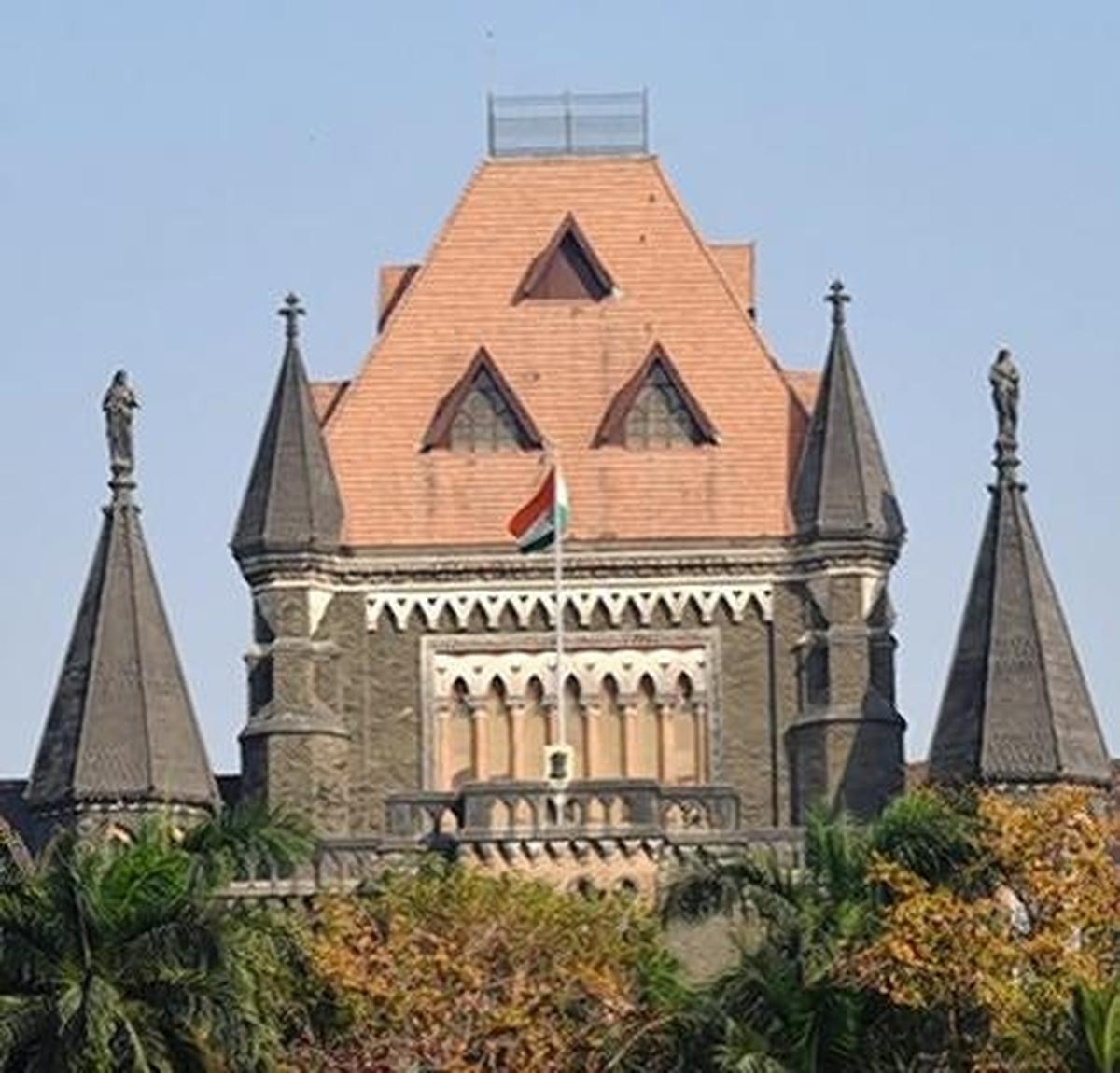
The Bombay High Court has requested the Maharashtra government to respond to a petition challenging the cancellation of a 5% education reservation for approximately 50 backward Muslim communities. The petition argues that this decision violates constitutional rights and undermines equitable representation in education and employment.
- 01The Bombay High Court is reviewing a petition against the cancellation of a 5% education reservation for backward Muslim communities in Maharashtra.
- 02The petition claims the government's decision is unconstitutional and discriminatory.
- 03The 2014 reservation policy included 51 identified backward Muslim groups under the Socially and Educationally Backward Classes category.
- 04The court previously upheld the educational reservation despite striking down public employment quotas for Muslims.
- 05The petition emphasizes the need for data-driven reservation policies to support equitable access to education.
Advertisement
In-Article Ad
The Bombay High Court in Mumbai has asked the Maharashtra government to respond to a petition challenging a recent Government Resolution (GR) that scrapped a 5% education reservation for about 50 backward Muslim communities classified under the Socially and Educationally Backward Classes (SEBC) category. The petition, filed by advocate Syed Ejaz Abbas Naqvi, argues that the GR, dated February 17, is unconstitutional and discriminatory, effectively denying these communities equitable representation in education and administrative sectors. It highlights that the original reservation policy, introduced by the Congress-Nationalist Congress Party government in July 2014, aimed to address educational disparities by providing reservations to socially and educationally backward Muslim groups. The petition contends that the recent cancellation of this educational benefit undermines the constitutional rights of the affected communities. Furthermore, it stresses that reservation policies should be based on empirical data regarding education, poverty, and social status, rather than broad caste classifications. Naqvi also pointed out that while the state allocates over ₹350 crore annually to madrasa education, limiting access to mainstream educational opportunities for backward Muslim groups constitutes discrimination.
Advertisement
In-Article Ad
The court's decision could significantly affect access to educational opportunities for backward Muslim communities in Maharashtra, potentially impacting their representation in various sectors.
Advertisement
In-Article Ad
Reader Poll
Do you support the continuation of the 5% education reservation for backward Muslim communities in Maharashtra?
Connecting to poll...
More about Maharashtra government
Read the original article
Visit the source for the complete story.