



Central Government Challenges Tamil Nadu Law on Temple Priest Appointments
'True Meaning Of Secularism...': Centre Opposes Appointment Of Priests By Government Boards
 News 18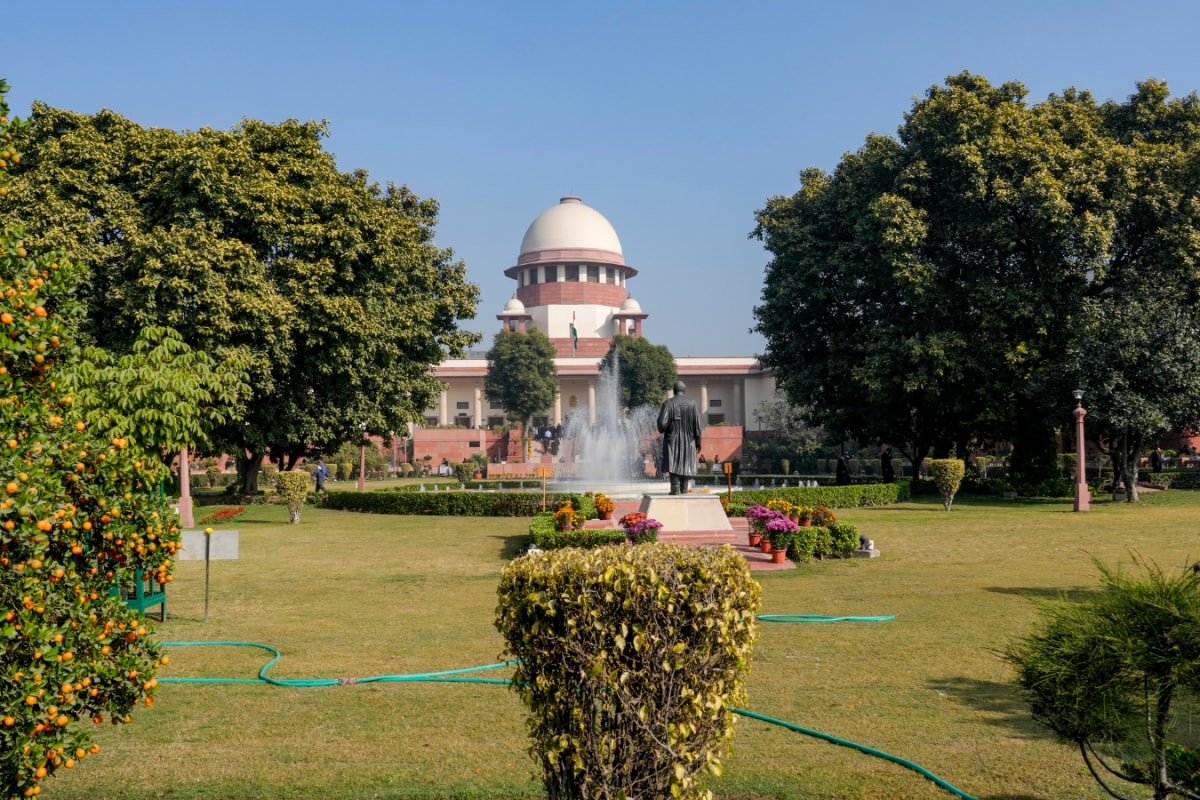
Image: News 18
The Central Government of India has opposed a Tamil Nadu law that allows government boards to appoint priests, arguing that such decisions should remain within the community and not be deemed secular. Solicitor General Tushar Mehta emphasized that true secularism means non-interference in religious matters, while a Supreme Court bench acknowledged the need for accountability among priests.
- 01The Central Government argues that appointing priests is a religious decision, not a secular one.
- 02Solicitor General Tushar Mehta emphasized that the community should control priest appointments.
- 03The Supreme Court's past characterization of priest appointments as secular was challenged.
- 04The court acknowledged that priests must be held accountable for misconduct.
- 05The debate touches on the broader issue of state intervention in religious matters.
Advertisement
In-Article Ad
On Wednesday, the Central Government of India opposed a Tamil Nadu law that enables government boards to appoint ‘archakas’ (priests) to temples, arguing that such appointments should be a community decision rooted in religious tradition. Solicitor General Tushar Mehta asserted that the Supreme Court's previous classification of these appointments as a secular act is misguided, emphasizing that true secularism involves the state refraining from interfering in religious practices. He argued that the community should have the right to appoint priests based on established qualifications and rituals. A nine-judge bench of the Supreme Court, led by Chief Justice Surya Kant, acknowledged the necessity of holding priests accountable for misconduct but agreed that the court should not impose social reforms that could undermine the fundamental beliefs of devotees. Mehta posed questions regarding the judiciary's expertise in determining religious matters, highlighting the diverse nature of worshippers at various shrines, which complicates the issue of denominational identity.
Advertisement
In-Article Ad
This ruling could affect how priests are appointed in temples across India, potentially limiting government intervention in religious matters.
Advertisement
In-Article Ad
Reader Poll
Should the government have a role in appointing priests in temples?
Connecting to poll...
More about Supreme Court of India
सुप्रीम कोर्ट ने वैवाहिक विवाद को 'महाभारत' करार देते हुए दिया महत्वपूर्ण फैसला
Ndtv • Apr 9, 2026

Supreme Court Ruling Streamlines Fraud Classification Process for Banks
Mint • Apr 9, 2026
Supreme Court Debates Jurisdiction Over Superstitious Practices Amid Centre's Disagreement
The Indian Express • Apr 9, 2026
Read the original article
Visit the source for the complete story.