




Iran's Strategic Moves in Economic Warfare Against the US
Not A Superpower, But Iran Still Waged Economic Warfare With Just 3 Strategic Moves
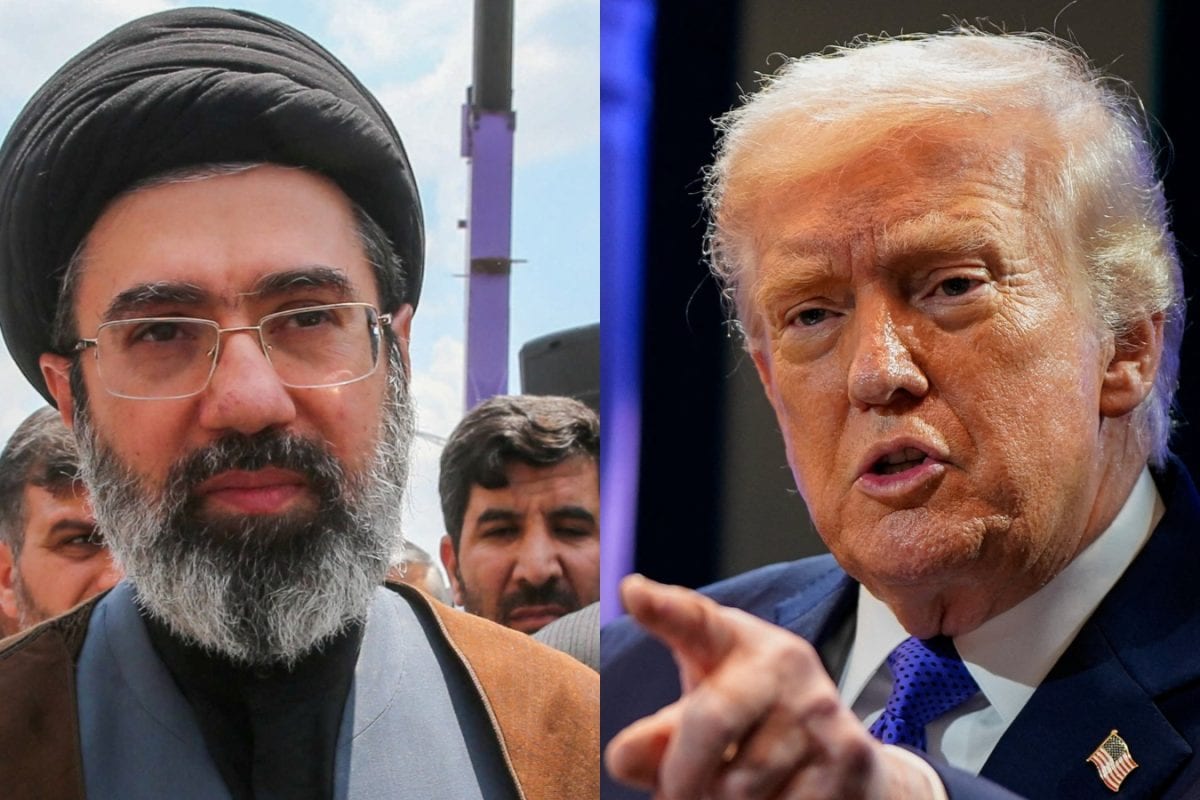
Image: news18
Despite not being a superpower, Iran has effectively influenced the global economy through three strategic tactics during its conflict with the United States. These include controlling the Strait of Hormuz, sabotaging critical infrastructure, and developing a 'resistance economy' to evade sanctions, leading to increased global oil prices and inflation.
- 01Iran leveraged the Strait of Hormuz to control oil supply, impacting global prices.
- 02The country employed infrastructure sabotage to deter foreign investment and raise costs for adversaries.
- 03Iran developed a 'resistance economy' to evade sanctions through digital currency and alternative trade networks.
- 04The US-Iran conflict has broader implications for global economic growth and inflation.
- 05Major economies are now recognizing the need for 'economic deterrence arsenals' to maintain influence.
Advertisement
In-Article Ad
Iran has demonstrated that regional powers can exert significant economic influence through strategic tactics, even under heavy international sanctions. One of the primary methods employed was the control of the Strait of Hormuz, a crucial waterway for global oil supply, where Iran's closure led to oil prices soaring above $100 per barrel. This tactic effectively pressured the United States into negotiating a ceasefire. Additionally, Iran engaged in infrastructure sabotage, targeting key economic sites in the Gulf to raise costs for adversaries and deter foreign investments. Furthermore, Iran has established a 'resistance economy' to circumvent sanctions by converting surplus oil into digital currency and forming alternative trade networks with countries like Russia and China. The ongoing conflict has raised concerns about global economic growth, with the International Monetary Fund (IMF) warning that it may lead to a permanent slowdown. As a result, major economies are now focusing on building economic deterrence arsenals to maintain their influence in a globalized economy.
Advertisement
In-Article Ad
The conflict has led to rising oil prices and inflation in the US, affecting consumers and businesses alike.
Advertisement
In-Article Ad
Reader Poll
Do you believe countries should develop economic deterrence strategies against regional powers?
Connecting to poll...
More about International Monetary Fund
Read the original article
Visit the source for the complete story.