



US Vice President JD Vance Arrives in Islamabad for Historic Iran Talks, Escorted by Pakistani F-16s
Video: Pak F-16s Escort JD Vance's Aircraft As He Arrives In Islamabad For Iran Talks
 Ndtv
Ndtv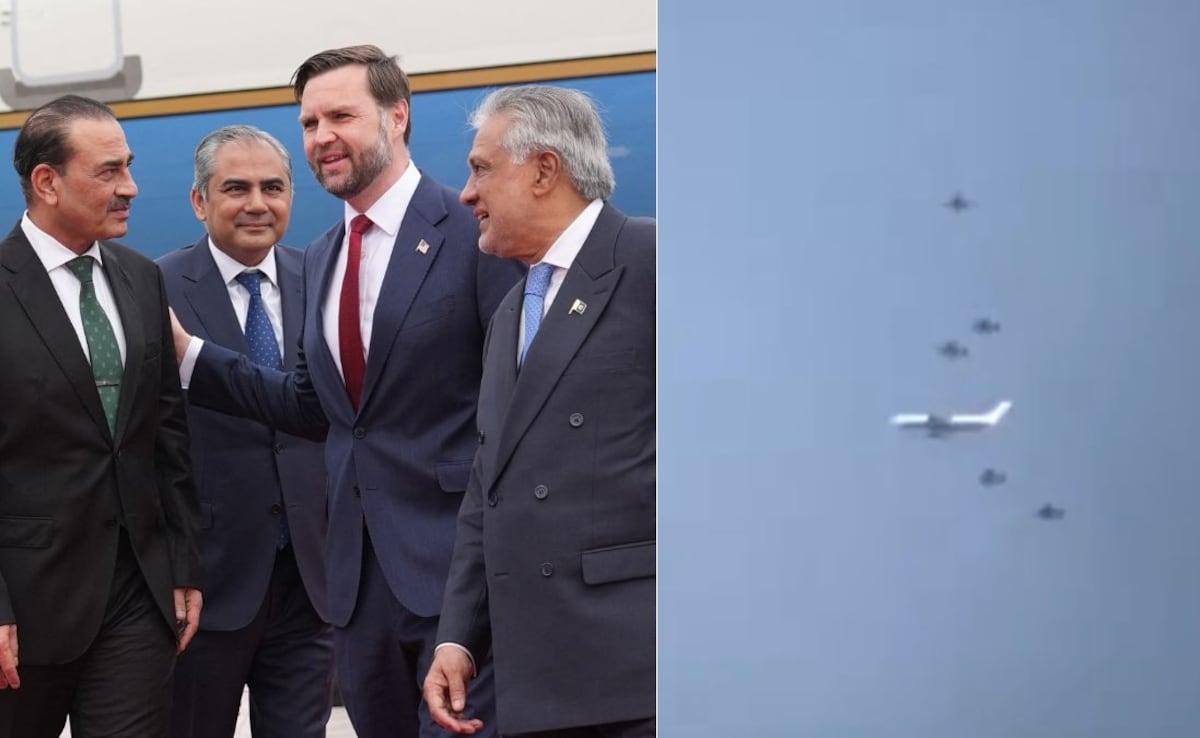
Image: Ndtv
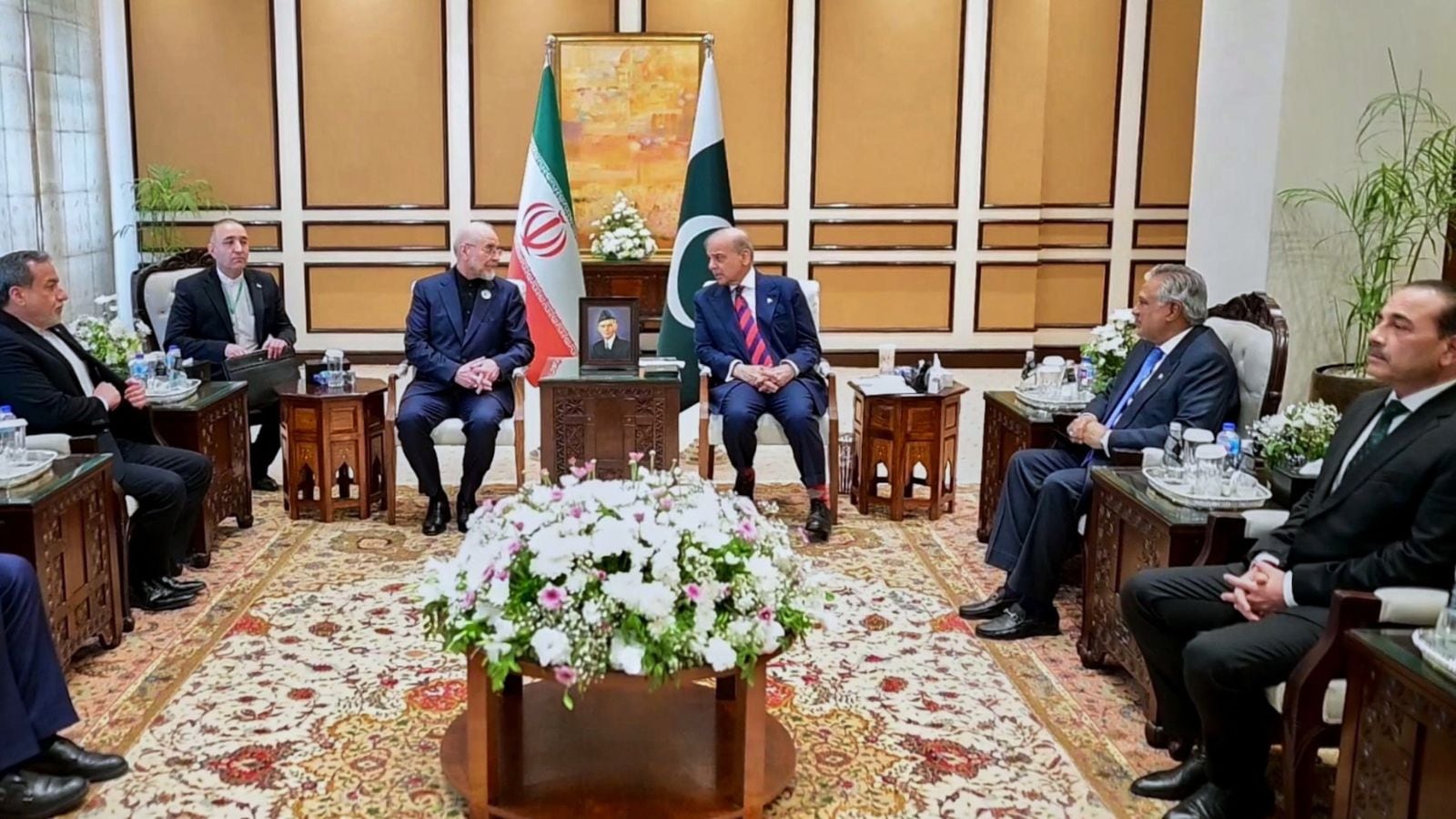
US Vice President JD Vance arrived in Islamabad, Pakistan, escorted by Pakistani F-16 fighter jets, to lead crucial talks with Iran amid ongoing Middle Eastern conflicts. This meeting marks the highest-level negotiations between the US and Iran since the 1979 Islamic revolution, with both sides expressing skepticism about the talks' outcomes.
- 01JD Vance's visit is the highest-level US-Iran talks since the 1979 Islamic revolution.
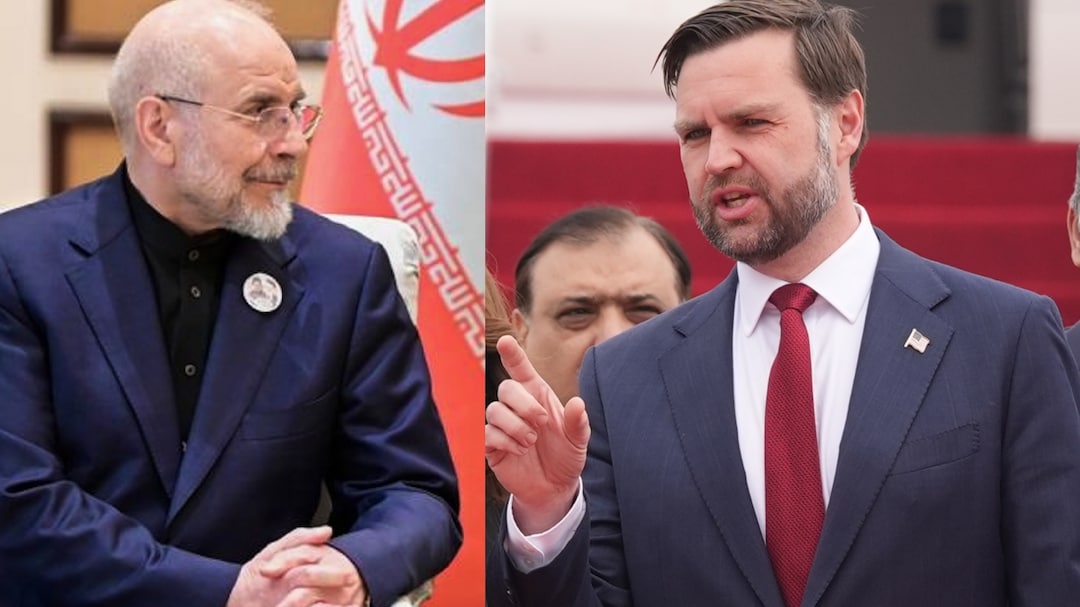
- 02The Iranian delegation is led by Parliament Speaker Mohammad Bagher Ghalibaf.
- 03Trust issues persist, with Iran expressing skepticism about US negotiations.
- 04Pakistan's Foreign Minister Ishaq Dar urges constructive engagement between the US and Iran.
- 05The US and Iran have differing frameworks for negotiations regarding Iran's nuclear program.
Advertisement
In-Article Ad
US Vice President JD Vance arrived in Islamabad, Pakistan, on April 11, 2026, to lead pivotal negotiations with Iran, accompanied by special envoy Steve Witkoff and Jared Kushner, son-in-law of former President Donald Trump. The arrival was marked by an escort of five Pakistani Air Force F-16 fighter jets, highlighting the significance of the visit amid escalating conflicts in the Middle East. This meeting represents the highest-level discussions between Washington and Tehran since the 1979 Islamic revolution, with the Iranian delegation led by Parliament Speaker Mohammad Bagher Ghalibaf and Foreign Minister Seyed Abbas Araghchi. Despite the historic nature of these talks, Ghalibaf expressed deep-seated mistrust, stating that past negotiations with the US have led to failures and broken promises. Pakistan's Foreign Minister Ishaq Dar emphasized the need for constructive engagement between the two nations and reiterated Pakistan's role in facilitating a resolution. The US and Iran have previously disagreed on negotiation terms, with the Trump administration proposing a 15-point framework focusing on Iran's nuclear program, while Iran has its own demands, including reparations and recognition of its sovereignty over the Strait of Hormuz. Concurrently, Lebanon and Israel are preparing for their own negotiations, as a temporary ceasefire provides a brief respite from recent hostilities.
Advertisement
In-Article Ad
This diplomatic engagement could influence regional stability and security in the Middle East, affecting Pakistan's role as a mediator.
Advertisement
In-Article Ad
Reader Poll
Do you believe the US-Iran talks will lead to a lasting agreement?
Connecting to poll...
More about US Government
Read the original article
Visit the source for the complete story.