


Insights from Former RAF Pilot John Peters on the Perils of Being Shot Down in Enemy Territory
Captured in Gulf War: Former British pilot John Peters reveals what it’s like to be shot down
 The Economic Times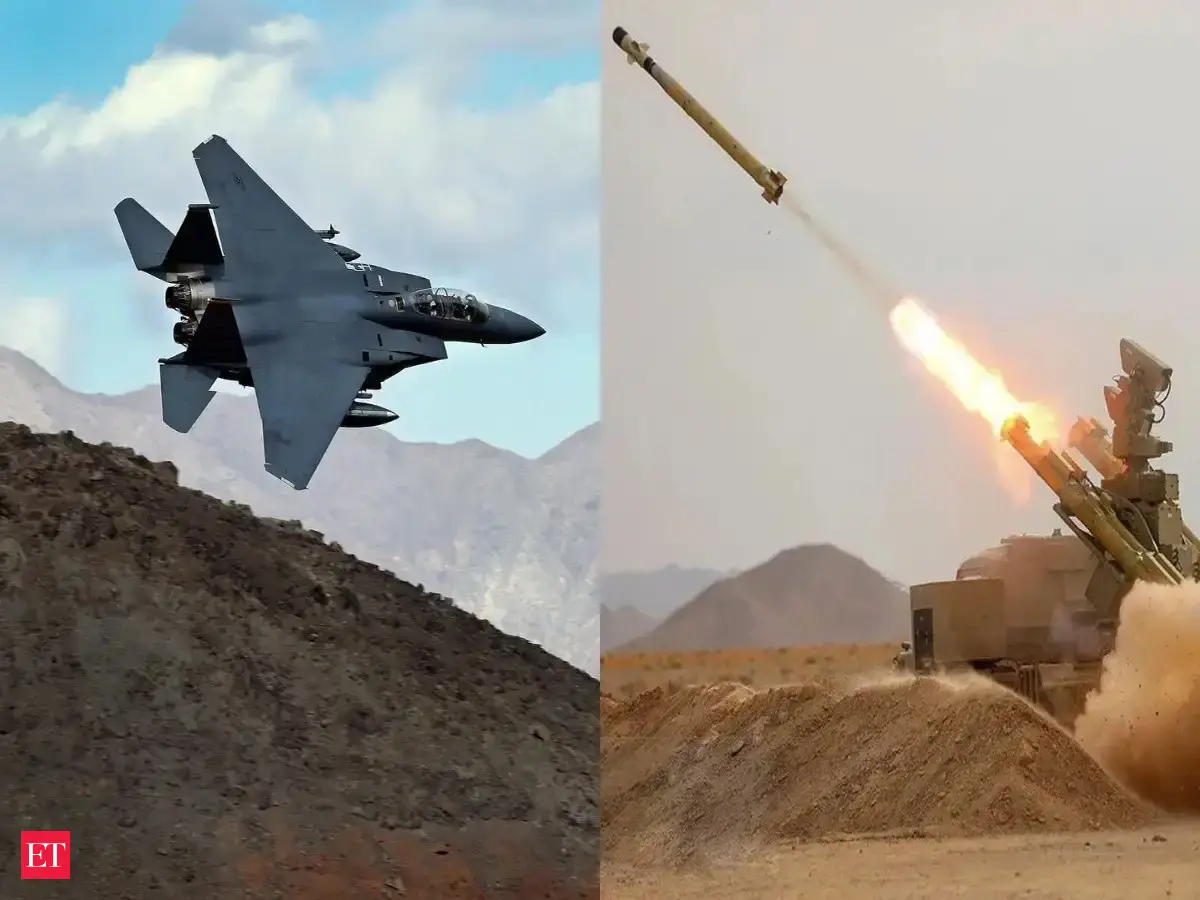
Image: The Economic Times
John Peters, a former RAF pilot captured during the 1991 Gulf War, shares his harrowing experience of being shot down and the emotional turmoil that follows. His insights come as U.S. forces search for a missing airman after a fighter jet was downed over Iran, highlighting the intense pressure of rescue operations.
- 01John Peters was captured during the 1991 Gulf War after ejecting from his aircraft.
- 02He describes the experience of being shot down as a shocking transition from power to vulnerability.
- 03The search for the missing U.S. airman is a 'game of cat and mouse' between U.S. rescue teams and Iranian forces.
- 04Peters emphasizes the emotional toll such incidents take on the airman's family and friends.
- 05Military training plays a crucial role in survival and evasion after being shot down.
Advertisement
In-Article Ad
John Peters, a former Royal Air Force (RAF) pilot who was captured during the 1991 Gulf War, has shared his chilling account of being shot down and the psychological challenges that ensue. As U.S. forces continue their search for a missing airman after a fighter jet was downed over Iran, Peters describes the initial moments on the ground as a dramatic shift from being in control to facing life-threatening danger. He explains that the experience is defined by chaos, with pilots relying on their training to respond effectively. Peters recalls the moment he was shot down, stating that the aircraft was engulfed in flames and he had to eject quickly. After landing, he felt vulnerable and overwhelmed, emphasizing the importance of survival instincts and military training in such scenarios.
Peters characterizes the current situation as a 'game of cat and mouse,' where U.S. rescue teams race against Iranian forces to locate the downed airman. He warns that the political implications of capturing a U.S. airman could provide Iran with significant leverage. Reflecting on the emotional toll, he expresses concern for the families of those involved, recalling his own experience of leaving behind a young family when he went to war. Peters' insights offer a rare glimpse into the terrifying reality faced by airmen behind enemy lines, where every moment is a battle between instinct and fate.
Advertisement
In-Article Ad
The ongoing search for the missing airman highlights the dangers faced by military personnel and the emotional strain on their families.
Advertisement
In-Article Ad
Reader Poll
What do you think is the most important factor in military rescue operations?
Connecting to poll...
Read the original article
Visit the source for the complete story.