




Global Food Prices Expected to Rise Amid Strait of Hormuz Closure
Strait Of Hormuz Closure Could Soon Be Felt On Dinner Tables Worldwide
 Ndtv
Ndtv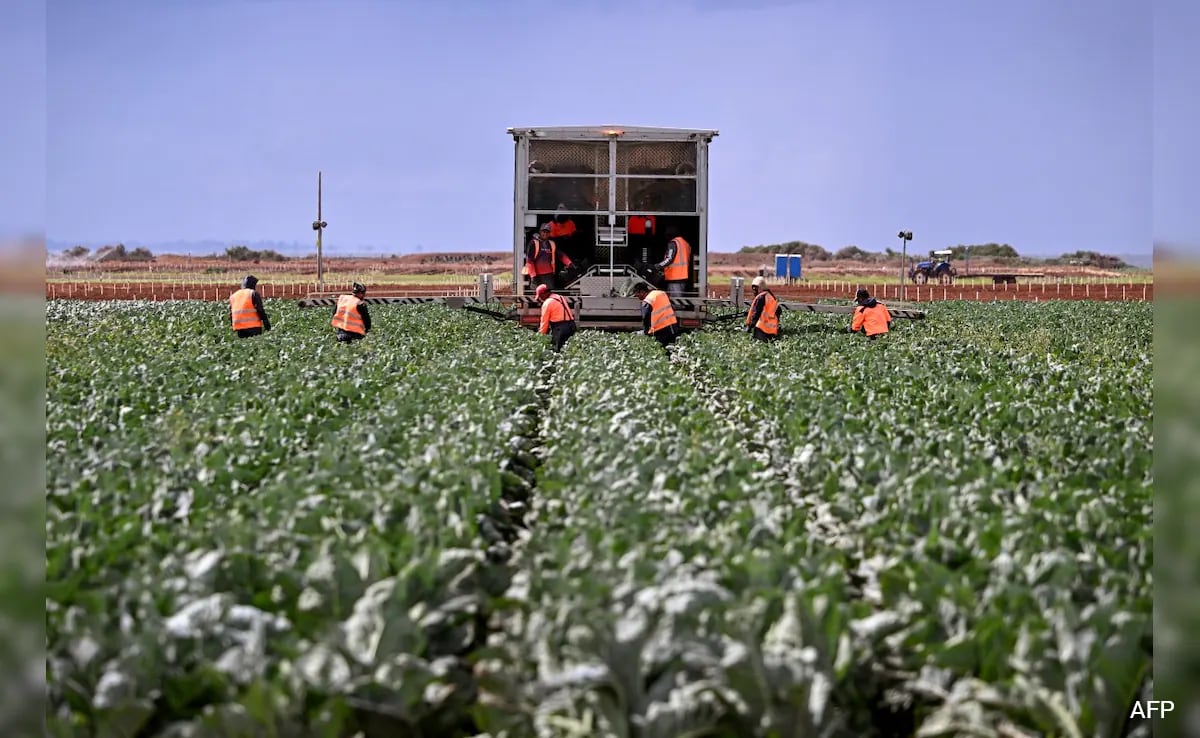
Image: Ndtv
The ongoing conflict in the Middle East, particularly the closure of the Strait of Hormuz, is anticipated to significantly impact global food prices. With fertilizer supplies dwindling and costs rising, consumers worldwide may soon face higher prices for staples like corn, wheat, and rice, affecting everything from barbecues to livestock feed.
- 01Closure of the Strait of Hormuz affects 20% of global crude oil and LNG shipments.
- 02Fertilizer prices have surged, with some rising over 40% in the U.S. since the conflict began.
- 03Farmers may reduce crop yields due to higher fertilizer costs, impacting food supply.
- 04The U.S. Department of Agriculture projects a 3.1% average increase in food prices.
- 05Low-income households will be disproportionately affected by rising food costs.
Advertisement
In-Article Ad
The closure of the Strait of Hormuz has triggered a global energy crisis, leading to rising fertilizer prices and an expected increase in food prices worldwide. Approximately 20% of the world's crude oil and liquefied natural gas (LNG) shipments pass through this critical waterway, which also transports about a third of internationally traded fertilizer. As fertilizer costs have surged—some by more than 40% in the U.S. since the conflict began—farmers face tough decisions regarding crop production. The U.S. Department of Agriculture has projected an average 3.1% increase in food prices, which could hit consumers hard, especially low-income households that spend a larger share of their income on food. The conflict's ripple effects could lead to a global food emergency, with the U.N. predicting an additional 45 million people could face food insecurity by the end of 2026 if hostilities continue. As the situation evolves, consumers can expect to see higher prices for essential food items, driven by both direct and indirect costs associated with the ongoing crisis.
Advertisement
In-Article Ad
Rising fertilizer costs will lead to increased prices for staple foods, affecting household budgets, particularly for low-income families.
Advertisement
In-Article Ad
Reader Poll
How concerned are you about rising food prices due to global conflicts?
Connecting to poll...
Read the original article
Visit the source for the complete story.