




Harnessing Administrative Data for Smarter Governance in India
How to make data tell a larger story, drive smarter policy
 The Indian Express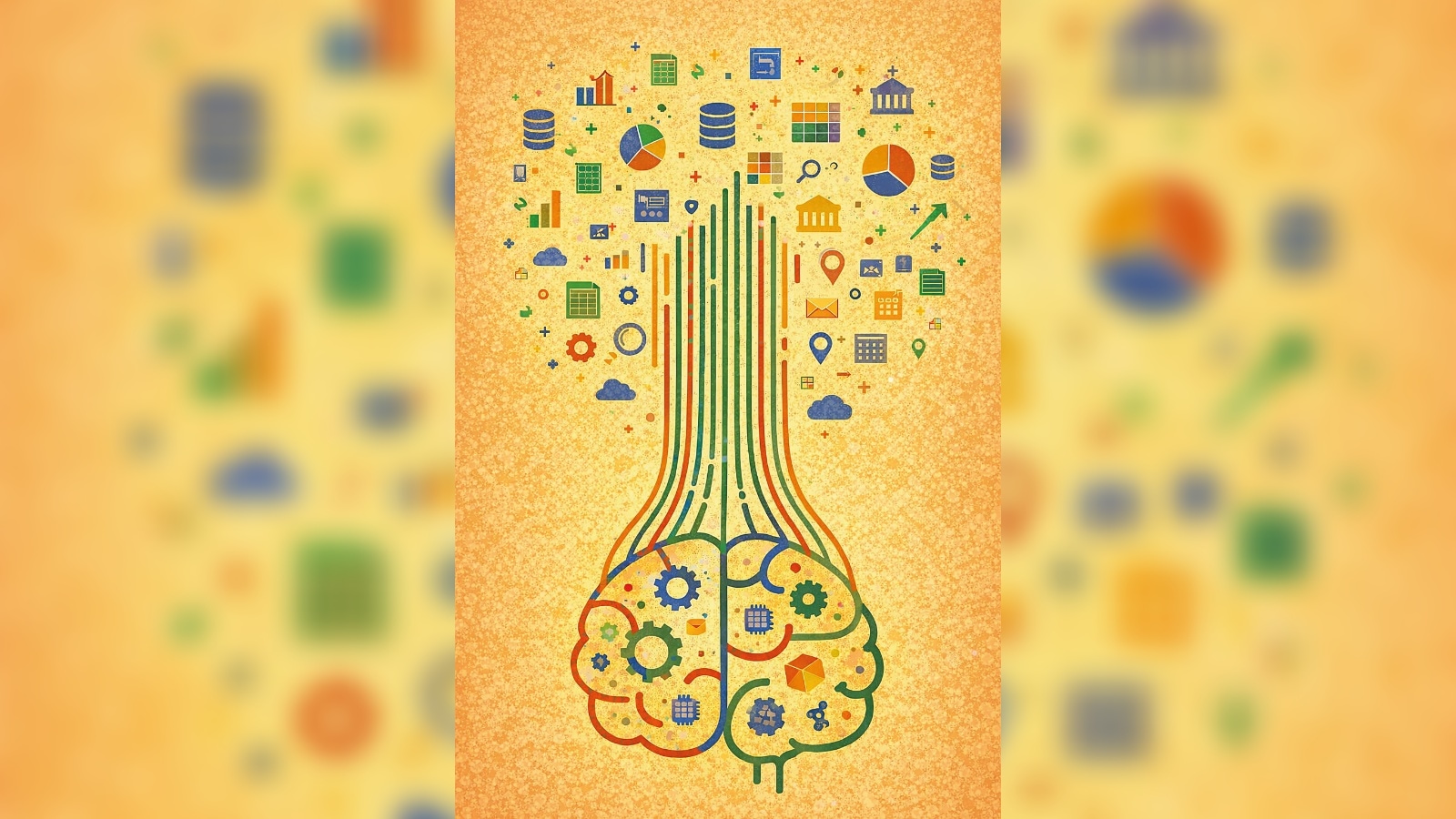
Image: The Indian Express
Administrative data is becoming a vital tool for governance in India, enhancing decision-making through improved data systems. The integration and harmonization of various datasets can drive transformative development, enabling smarter policies and societal progress.
- 01Administrative data is crucial for modern governance and decision-making.
- 02India's digitalization has significantly increased the availability of diverse datasets.
- 03Data harmonization enhances the analytical potential of administrative data.
- 04The National Metadata Structure (NMDS 2.0) supports standardized data sharing.
- 05Improved data quality and timeliness are essential for effective governance.
Advertisement
In-Article Ad
Administrative data has become a strategic asset for governance in India, offering granular insights that enhance decision-making. Over the past decade, the digitalization of public services has led to a significant increase in available data across various socio-economic sectors. Ministries and departments now utilize internal Management Information Systems (MIS) and dashboards, such as the Unified District Information System for Education (UDISE) and the Prime Minister’s Overarching Scheme for Holistic Nourishment (POSHAN) Tracker. However, the true potential of these datasets can be realized through harmonization, which allows for the integration of information from different sources, providing more meaningful insights. To facilitate this, the National Metadata Structure (NMDS 2.0) has been introduced, establishing common frameworks for data presentation and sharing. This initiative emphasizes the importance of data quality, standard definitions, and unique identifiers to improve interoperability across datasets. With advancements in AI and machine learning, the analytical potential of these harmonized datasets expands, enabling smarter policies and driving transformative development. As emphasized in a recent speech by the secretary of the Ministry of Statistics and Programme Implementation (MoSPI), integrating data is essential for turning numbers into actionable knowledge.
Advertisement
In-Article Ad
The integration of administrative data can lead to more informed policies that directly affect citizens' lives, such as improvements in education, healthcare, and economic development.
Advertisement
In-Article Ad
Reader Poll
Do you believe that better data integration can improve government decision-making?
Connecting to poll...
Read the original article
Visit the source for the complete story.