

Ceasefire Between US and Iran: Strategic Gains for Tehran Amidst Military Losses
What Trump’s 39‐day war achieved: A Hormuz trophy for Iran
 The Economic Times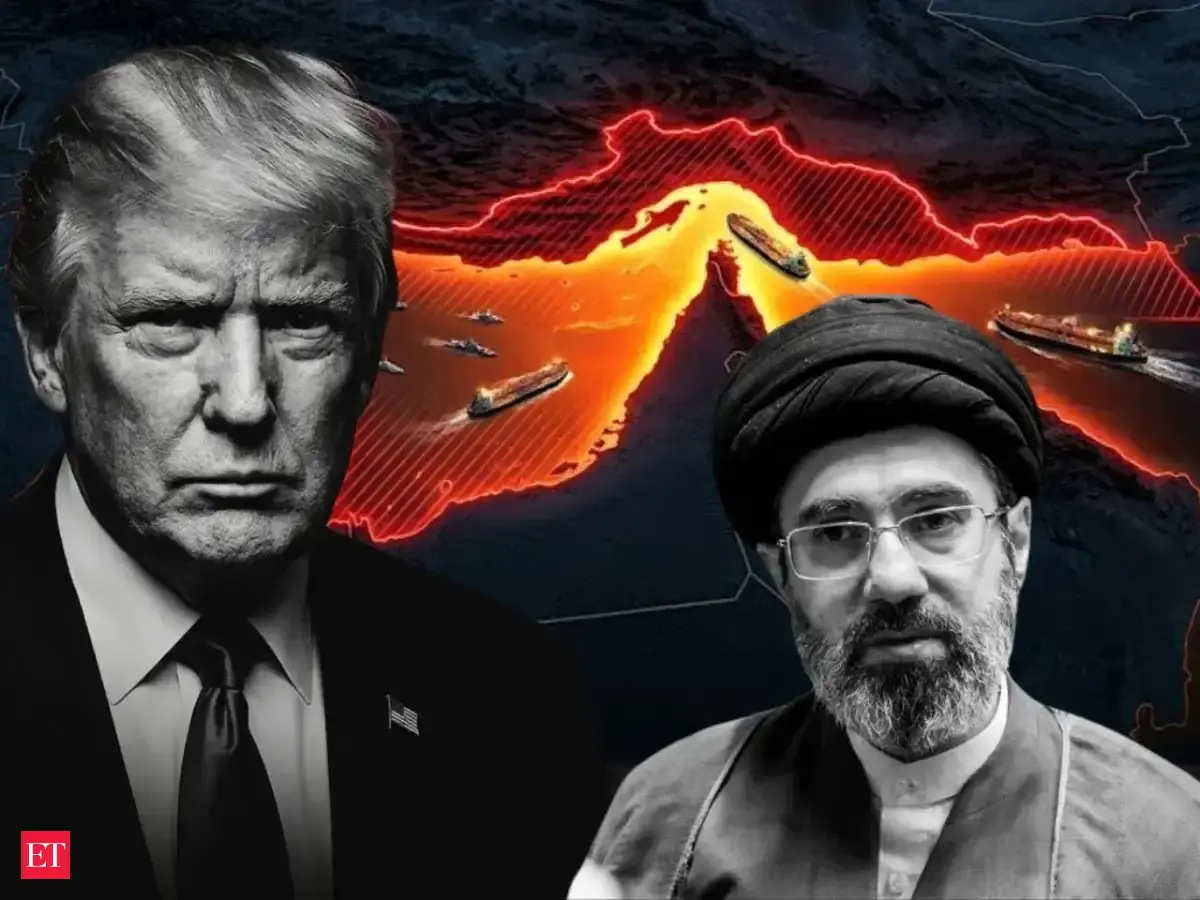
Image: The Economic Times
A recent ceasefire between the US and Iran, following 39 days of conflict, is viewed as a victory by both nations. While the US claims operational success in reopening the Strait of Hormuz, Iran has leveraged the situation to secure control over this critical maritime route, potentially enhancing its geopolitical influence despite suffering significant military losses.
- 01The ceasefire is seen as a victory for both the US and Iran, albeit for different reasons.
- 02Iran has transformed its military losses into strategic gains, particularly regarding control over the Strait of Hormuz.
- 03The ceasefire agreement includes provisions for Iran to charge fees on ships transiting the strait.
- 04Iran's political structure remains intact despite significant battlefield losses, demonstrating resilience.
- 05The geopolitical context has allowed Iran to frame the conflict in its favor, enhancing its bargaining power.
Advertisement
In-Article Ad
The recently announced ceasefire between the United States and Iran, following 39 days of intense conflict, has been characterized as a victory for both parties. US President Donald Trump described the ceasefire as 'total and complete,' while Iranian officials assert that the US was compelled to accept their terms. However, the ceasefire reveals a more complex reality where Iran, despite suffering significant military losses, has managed to leverage the situation to enhance its strategic position, particularly regarding the Strait of Hormuz. This critical maritime route, previously subject to Iranian disruption, is now under a framework that allows Iran to exert control and potentially charge fees for passage. The ceasefire agreement marks a shift from mere disruption to formal governance over the strait, fundamentally altering its operational dynamics. Iran's demands for compensation and assurances against future attacks indicate that it is negotiating from a position of strength rather than desperation. Despite the loss of key leadership figures and military infrastructure, Iran's political structure remains intact, suggesting resilience in the face of adversity. The outcome of the conflict highlights competing narratives of success, with the US focusing on operational reopening of trade routes, while Iran emphasizes its newfound leverage in negotiations and control over a vital economic artery.
Advertisement
In-Article Ad
The ceasefire and Iran's control over the Strait of Hormuz could lead to increased shipping costs and altered trade dynamics, affecting global oil prices and supply chains.
Advertisement
In-Article Ad
Reader Poll
Do you think the US should continue negotiations with Iran after this ceasefire?
Connecting to poll...
Read the original article
Visit the source for the complete story.