

Disproportionate Voter Exclusions in West Bengal: Hindus and Muslims Affected
Of 90 lakh voters excluded by SIR in West Bengal, 63% are Hindus, 34% are Muslims
 The Hindu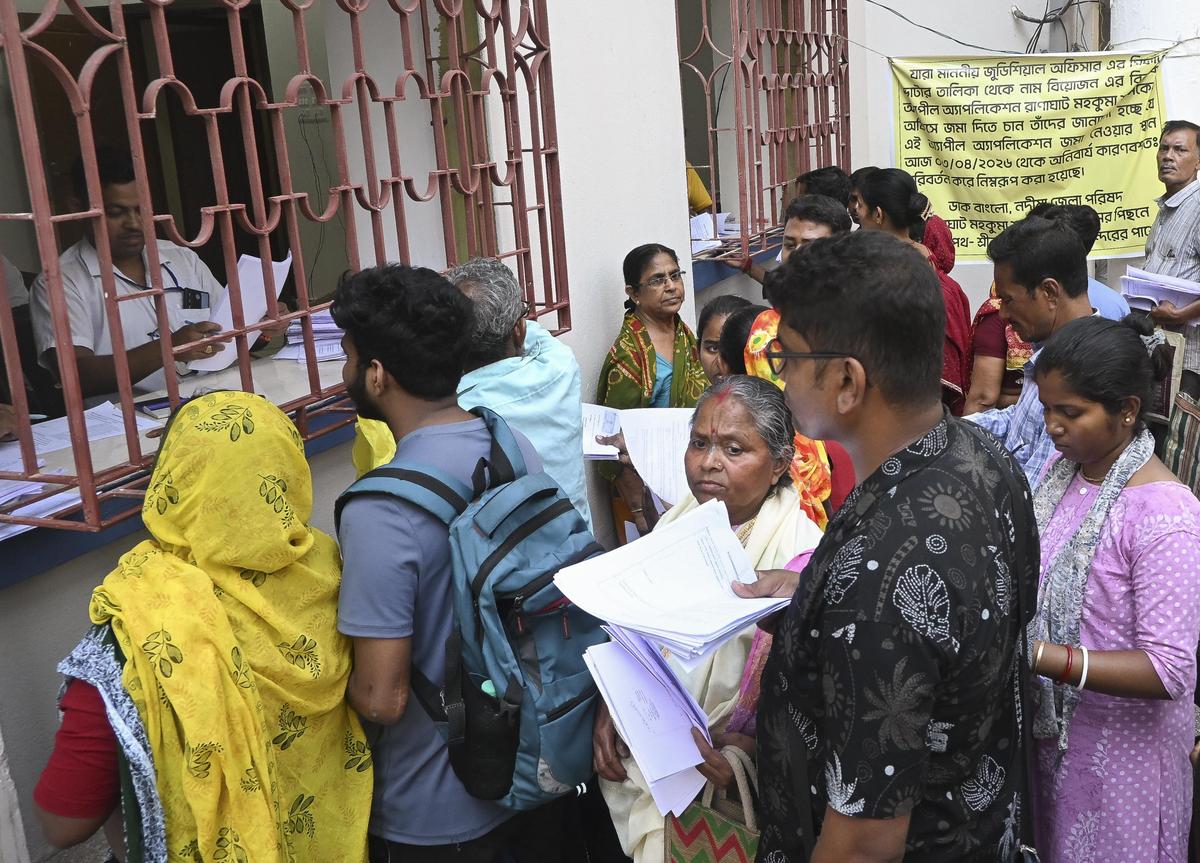
Image: The Hindu
In West Bengal, during the Special Intensive Revision (SIR) process, 90 lakh voters were removed from electoral rolls, with 63% being Hindus and 34% Muslims. This is significant as Muslims represent only 27% of the state's population, highlighting a disparity in voter exclusions.
- 01Of the 90 lakh voters removed, 63% are Hindus and 34% are Muslims.
- 02Muslims make up only 27% of West Bengal's population according to the 2011 census.
- 03The data indicates a disproportionate impact on Muslim voters during the SIR process.
- 04Hindus account for the largest number of deletions in absolute terms.
- 05The findings raise concerns about electoral fairness in West Bengal.
Advertisement
In-Article Ad
During the Special Intensive Revision (SIR) process in West Bengal, 90 lakh voters were removed from the electoral rolls, revealing a significant demographic disparity. Of these deletions, 57.47 lakh (or 63%) were Hindus, while 31.1 lakh (or 34%) were Muslims. This is particularly noteworthy as Muslims comprised only 27% of the state's population based on the 2011 census. The data suggests that the voter exclusion process has disproportionately affected Muslim voters, raising questions about the fairness and transparency of the electoral revision process in West Bengal. In absolute numbers, Hindus represent the largest group of voters removed, which complicates the narrative of voter disenfranchisement in the state.
Advertisement
In-Article Ad
The exclusion of a significant number of voters, particularly from the Muslim community, could influence electoral outcomes and representation in West Bengal.
Advertisement
In-Article Ad
Reader Poll
Do you believe the voter exclusion process in West Bengal is fair?
Connecting to poll...
Read the original article
Visit the source for the complete story.