

Trump's Blockade of Strait of Hormuz Threatens Economic Stability in Asia
Trump's blockade of Strait of Hormuz risks deeper crisis for Asia
 Business Standard
Image: Business Standard
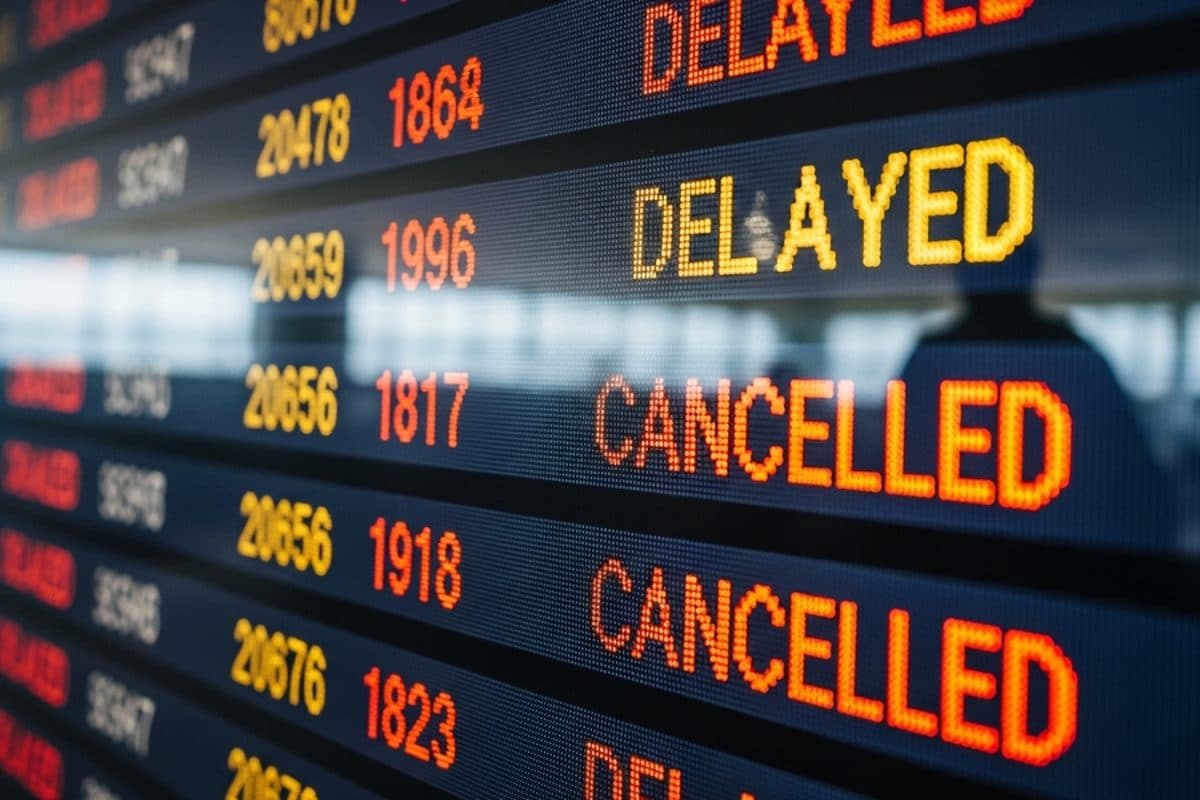
US President Donald Trump's blockade of the Strait of Hormuz could exacerbate the economic crisis for Asia's energy-dependent nations, including allies like Japan and South Korea, as oil prices surge. The blockade, effective from Monday, targets vessels entering or leaving Iranian ports and could lead to long-term disruptions in energy supplies and related industries.
- 01Trump's blockade targets vessels linked to Iranian ports, affecting energy supply chains.
- 02Brent crude oil prices rose over 8.6%, surpassing $103 per barrel.
- 03Asian economies, heavily reliant on energy from the strait, are scrambling for alternatives.
- 04Long-term disruptions could impact various industries beyond energy, including fertilizers and packaging.
- 05Scenarios predict oil prices could reach $170 if fighting escalates, with global growth slowing to 2.2%.
Advertisement
In-Article Ad
US President Donald Trump's recent decision to blockade the Strait of Hormuz poses significant risks to Asia's energy-dependent economies, including allies like Japan and South Korea. The blockade, which began on Monday, targets vessels entering or departing Iranian ports, potentially leading to severe disruptions in oil and gas supplies. Analysts from Bloomberg Economics noted that Brent crude oil prices surged by 8.6%, exceeding $103 per barrel, while European gas futures spiked nearly 18%. Asian nations, which rely on over 80% of their energy from this vital waterway, are now scrambling to find alternative energy sources and implement measures to mitigate the economic fallout. The blockade's implications extend beyond energy, affecting industries such as fertilizers and packaging. Bloomberg's analysis outlines various scenarios, indicating that if the conflict escalates, oil prices could soar to $170, resulting in a slowdown in global growth to 2.2% and inflation rising to 5.4%. The uncertainty surrounding the situation leaves many questions about the future trajectory of the global economy.
Advertisement
In-Article Ad
The blockade threatens to disrupt energy supplies and increase costs for consumers and businesses in Asia, potentially leading to long-term economic challenges.
Advertisement
In-Article Ad
Reader Poll
How should countries respond to the blockade of the Strait of Hormuz?
Connecting to poll...
Read the original article
Visit the source for the complete story.