

JD Vance Faces Diplomatic Setbacks: From Islamabad to Budapest
Islamabad To Budapest, Bad News Piles Up For JD Vance: US V-P’s Diplomatic Failures Explained
 News 18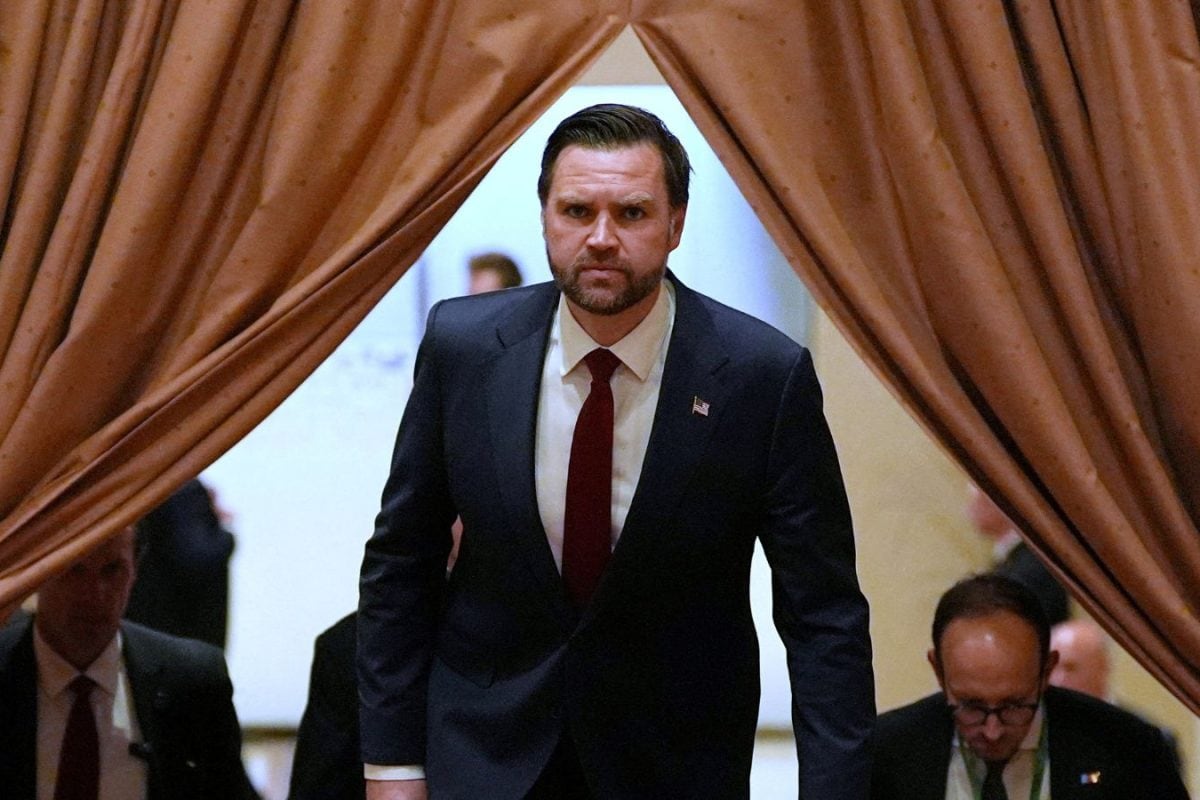
Image: News 18
US Vice-President JD Vance's recent diplomatic efforts have faced significant challenges, including failed nuclear talks with Iran in Islamabad, a historic electoral defeat for ally Viktor Orbán in Hungary, and a rejected invitation from Pope Leo XIV. These incidents raise concerns about the effectiveness of US foreign policy under Vance.
- 01Failed nuclear negotiations with Iran in Islamabad after 21 hours of talks.
- 02Viktor Orbán's defeat in Hungary, despite Vance's support.
- 03Pope Leo XIV declined an invitation to US celebrations, opting to focus on migration issues.
- 04Vance's controversial meeting with the far-right AfD party in Germany did not yield expected political gains.
- 05These events reflect broader ideological challenges in US foreign policy.
Advertisement
In-Article Ad
US Vice-President JD Vance's diplomatic efforts have recently encountered multiple setbacks. The Islamabad Talks with Iran, which lasted 21 hours, failed to produce an agreement, with Iran rejecting a crucial offer regarding its nuclear program. This collapse prompted President Trump to order a naval blockade of the Strait of Hormuz. Additionally, Vance's visit to Budapest to support then-Prime Minister Viktor Orbán ended in disappointment as Orbán suffered a historic defeat, marking the end of his 16-year rule. Vance's invitation to Pope Leo XIV for the 250th anniversary celebrations was also declined, with the Pope choosing to spend the day with migrants, a move interpreted as a critique of US immigration policies. Furthermore, Vance's meeting with the far-right Alternative for Germany (AfD) party did not translate into political success, as the center-right CDU emerged victorious in the German elections. These incidents highlight the challenges faced by Vance in navigating complex international relations.
Advertisement
In-Article Ad
The failed diplomatic efforts may lead to increased tensions in the Middle East and affect U.S. relations with European allies, especially in light of Orbán's defeat and the criticism from the Vatican.
Advertisement
In-Article Ad
Reader Poll
Do you think the U.S. should change its approach to foreign diplomacy?
Connecting to poll...
Read the original article
Visit the source for the complete story.