


US Aircraft Losses in Iran Conflict: Analyzing Tactical Disparities with Israel
Why US aircraft losses were higher than Israel in Iran war? Air Marshal explains key tactical factors
 The Economic Times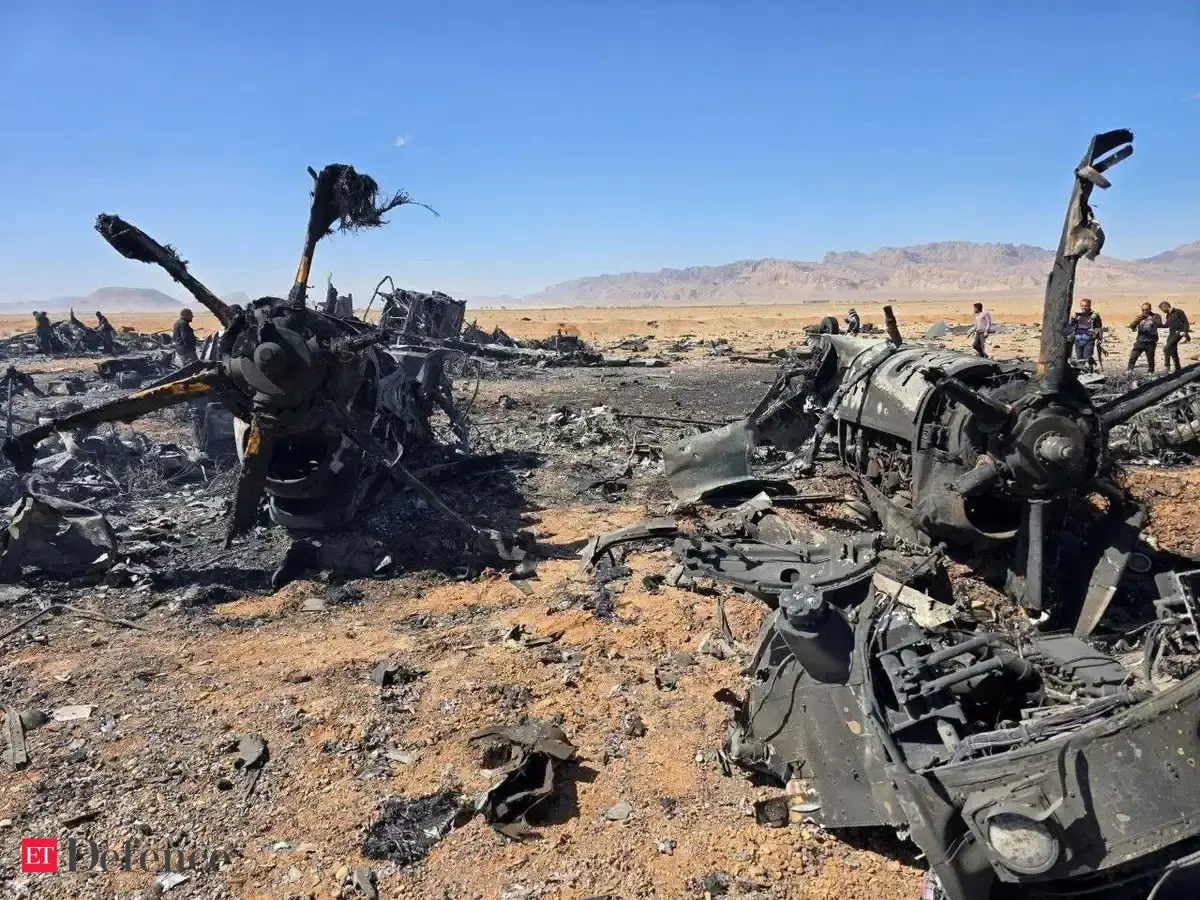
Image: The Economic Times
In the ongoing Middle East conflict, US aircraft losses have been notably higher than Israel's, according to retired Air Marshal Sanjeev Kapoor. He attributes this to differences in operational environments, early air defense suppression, and misjudgments about Iran's capabilities, emphasizing the need for adaptability in modern warfare.
- 01US aircraft losses in the Iran conflict exceed those of Israel due to tactical differences.
- 02Israel's early air defense suppression allowed for greater operational effectiveness.
- 03US forces faced unexpected resistance and stronger defensive networks in southern Iran.
- 04Iran's rapid recovery of air defenses challenged initial US strategic assumptions.
- 05Decentralized command structures in Iran enhanced battlefield resilience.
Advertisement
In-Article Ad
The ongoing conflict in the Middle East, now in its 43rd day, has raised questions about why the United States has experienced higher aircraft losses compared to Israel. Retired Air Marshal Sanjeev Kapoor analyzed this disparity, attributing it to several tactical factors. He noted that Israel's proximity to conflict zones, including Lebanon and Syria, allowed it to maintain constant operational readiness. During 'Operation Rising Lion,' Israeli forces effectively degraded Iranian air defense systems early in the conflict, which facilitated a more successful air campaign in subsequent phases. In contrast, US operations in southern Iran faced stronger defensive networks, leading to increased risks and unexpected resistance. Kapoor highlighted that initial expectations of a swift Iranian breakdown did not materialize, as Iranian air defenses recovered more quickly than anticipated, complicating US operations. He emphasized that early tactical successes do not guarantee sustained strategic advantages and warned against underestimating adversary capabilities. Kapoor also discussed Iran's decentralized command structure, which he termed the 'hydra technique,' allowing for faster decision-making and improved resilience on the battlefield. These insights underscore the importance of adaptability in modern air warfare.
Advertisement
In-Article Ad
Advertisement
In-Article Ad
Reader Poll
Do you think the US underestimated Iran's military capabilities?
Connecting to poll...
Read the original article
Visit the source for the complete story.