




India Achieves Milestone in Nuclear Energy with Kalpakkam Reactor's Criticality
India Enters New Nuclear Era As Kalpakkam Reactor Attains Criticality
 Ndtv
Ndtv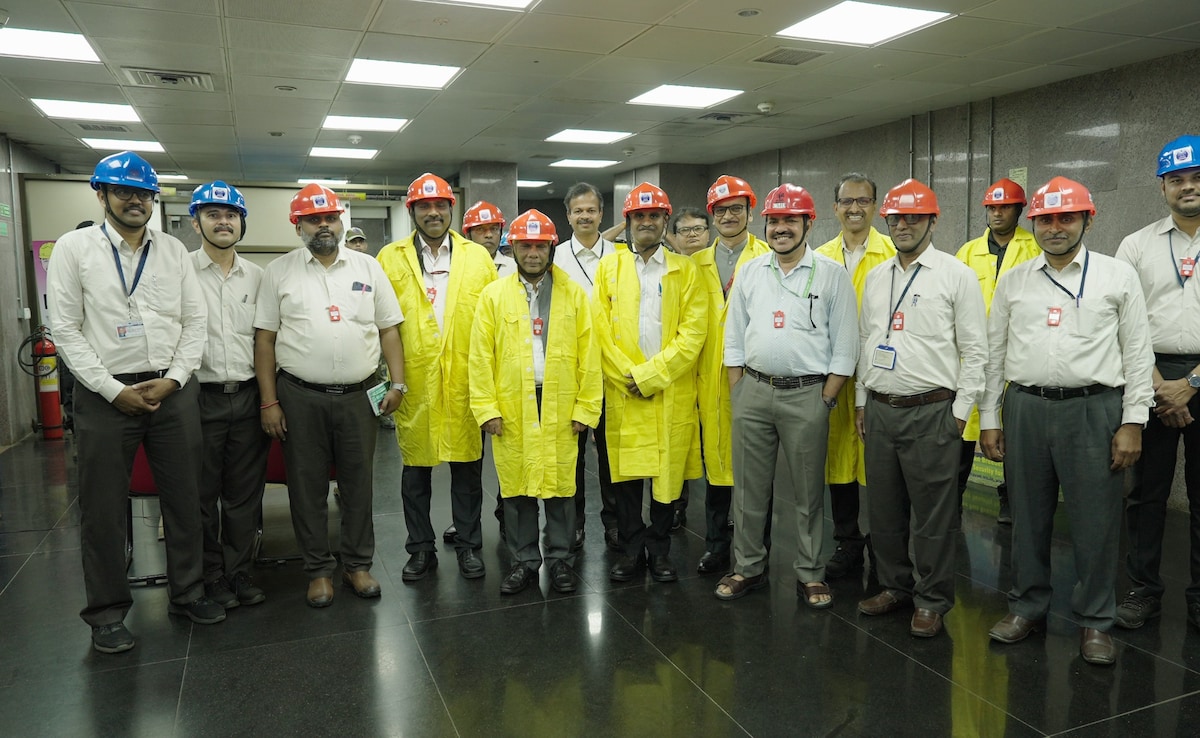
Image: Ndtv
On April 6, 2026, India's Prototype Fast Breeder Reactor (PFBR) at Kalpakkam achieved criticality, marking a significant advancement in the country's nuclear energy capabilities. This milestone enables India to utilize its thorium reserves effectively while reducing dependency on imported fuels, paving the way for greater energy independence.
- 01The PFBR at Kalpakkam achieved criticality on April 6, 2026.
- 02This reactor represents India's entry into the second stage of its three-stage nuclear power program.
- 03The PFBR is designed to produce more nuclear fuel than it consumes, enhancing energy efficiency.
- 04India aims to increase its nuclear power capacity from 8.78 GW to over 22 GW by the early 2030s.
- 05Dr. Ajit Kumar Mohanty will continue as head of India's atomic energy establishment until 2027.
Advertisement
In-Article Ad
India marked a pivotal moment in its energy landscape on April 6, 2026, when the Prototype Fast Breeder Reactor (PFBR) at Kalpakkam achieved criticality, initiating a controlled nuclear chain reaction in its 500 MWe reactor. This achievement signifies India's entry into the second stage of its three-stage nuclear power program, originally envisioned by Homi J. Bhabha. The PFBR, developed by Bharatiya Nabhikiya Vidyut Nigam Limited (BHAVINI) and the Indira Gandhi Centre for Atomic Research, is designed to multiply usable nuclear fuel, particularly leveraging India's abundant thorium reserves. Unlike conventional reactors, the PFBR uses mixed oxide fuel and has the capability to produce more fuel than it consumes, thereby enhancing energy efficiency significantly.
The reactor's breeding capability positions it as a strategic asset for India, which faces limitations in uranium supply. With projections indicating a rise in nuclear power capacity from the current 8.78 GW to over 22 GW by the early 2030s, and a long-term goal of 100 GW by 2047, the PFBR serves as a proof of concept for a future where India can achieve energy sovereignty. This development comes amid geopolitical uncertainties, emphasizing the need for India to reduce its reliance on imported fossil fuels. The successful operation of the PFBR will make India only the second country, after Russia, to operate a commercial-scale fast breeder reactor, showcasing the nation's advanced indigenous manufacturing capabilities.
Advertisement
In-Article Ad
The successful operation of the PFBR will enhance India's energy independence, potentially lowering energy costs and stabilizing supply amidst global uncertainties.
Advertisement
In-Article Ad
Reader Poll
Do you support increased investment in nuclear energy for India's energy independence?
Connecting to poll...
Read the original article
Visit the source for the complete story.