


Centre Defends Sabarimala Women's Entry Restrictions in Supreme Court
Centre backs restriction on women's Sabarimala entry in SC
 News 18
Image: News 18
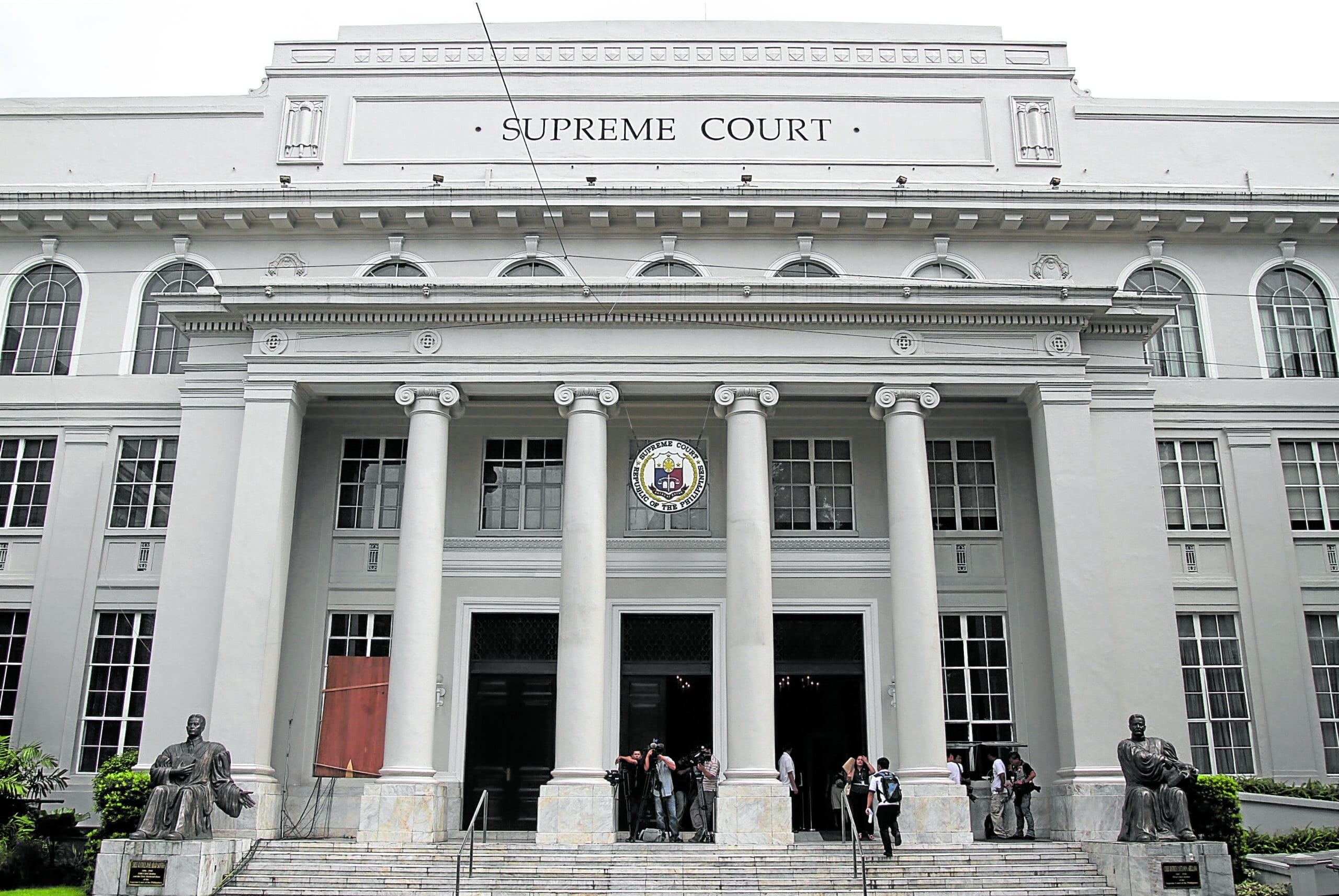
The Indian government argued in the Supreme Court that restrictions on women's entry into the Sabarimala temple are based on religious faith and should not be subjected to judicial review. This case comes as the court examines broader issues of discrimination against women in religious practices, particularly ahead of assembly elections in Kerala.
- 01The Centre asserts that the Sabarimala entry restrictions are a matter of religious faith.
- 02The Supreme Court is reviewing broader discrimination issues against women in religious contexts.
- 03Solicitor General Tushar Mehta emphasized that the restriction is based on age, not menstruation.
- 04Justice Nagarathna challenged the notion of temporary untouchability related to women's menstrual cycles.
- 05The court has clarified it will not revisit the merits of the previous Sabarimala judgment.
Advertisement
In-Article Ad
The Indian government presented its case in the Supreme Court regarding the controversial restrictions on women's entry into the Sabarimala temple, asserting that the issue falls under the realm of religious faith and denominational autonomy. Solicitor General Tushar Mehta emphasized that the restrictions apply solely to women aged between 10 and 50 years, and are not related to menstruation. He argued that the court should not intervene unless religious practices violate public order or morality. Justice BV Nagarathna questioned the concept of temporary untouchability associated with women's menstrual cycles, stating that it is illogical to consider women untouchable for part of the month. The Supreme Court's nine-judge bench, led by Chief Justice Surya Kant, is examining broader issues of discrimination against women in religious practices, particularly as assembly elections approach in Kerala, where the Sabarimala temple is located. The court has made it clear that it will not re-evaluate the merits of the 2018 judgment which lifted the ban on women's entry, but will focus on the seven questions framed for this case.
Advertisement
In-Article Ad
The outcome of this case could set a precedent for women's rights in religious practices across India, potentially affecting access to various places of worship.
Advertisement
In-Article Ad
Reader Poll
Should religious practices be subject to judicial review regarding gender discrimination?
Connecting to poll...
Read the original article
Visit the source for the complete story.