

US-Iran Ceasefire Negotiations Conclude in Islamabad, Set to Resume
US-Iran historic ceasefire talks in Pakistan conclude before dawn; to resume after break
 The Economic Times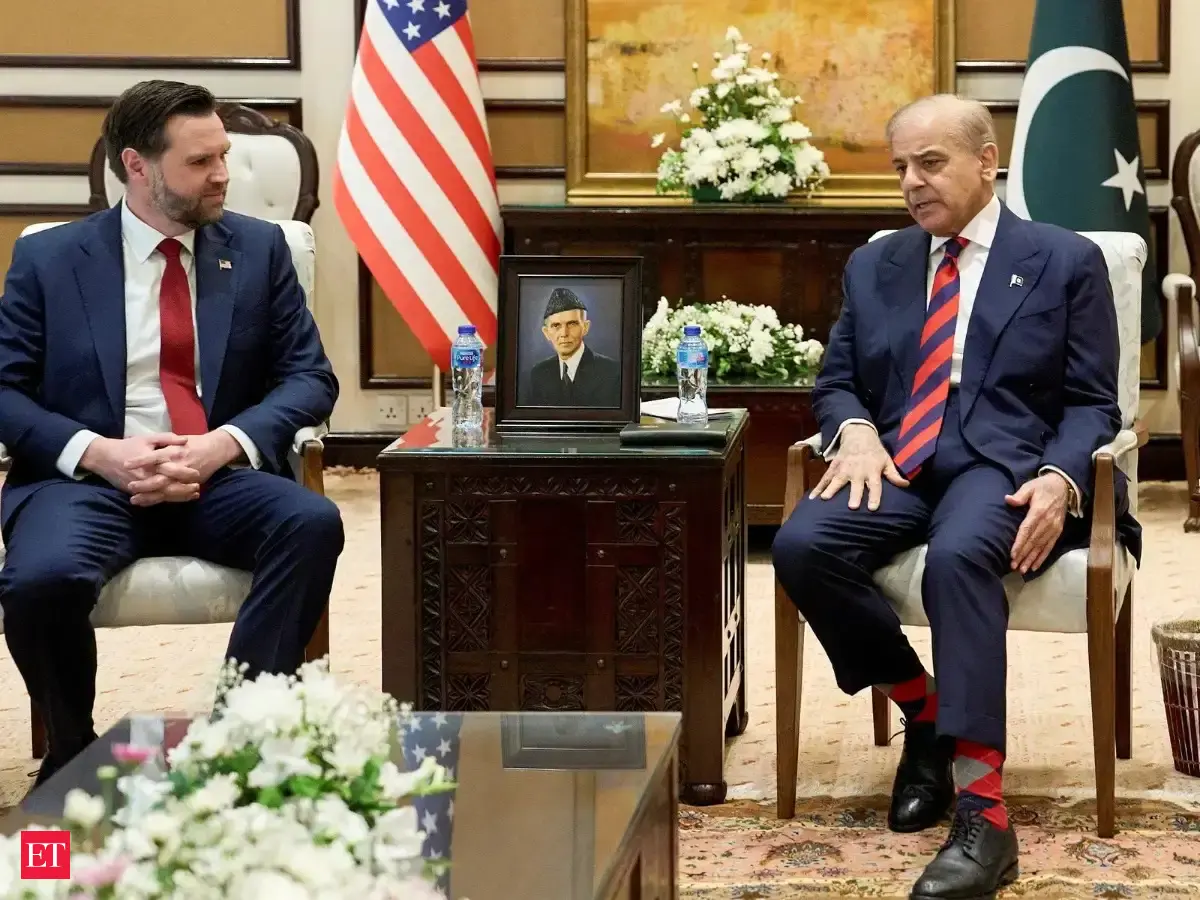
Image: The Economic Times
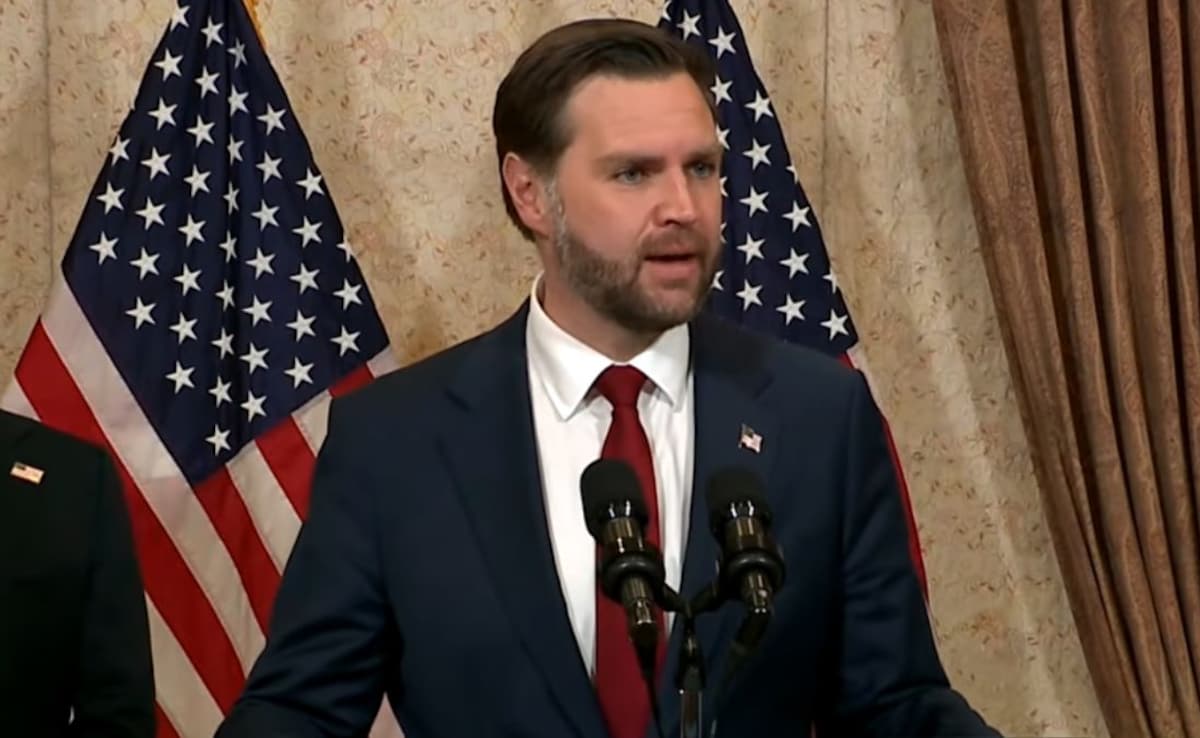
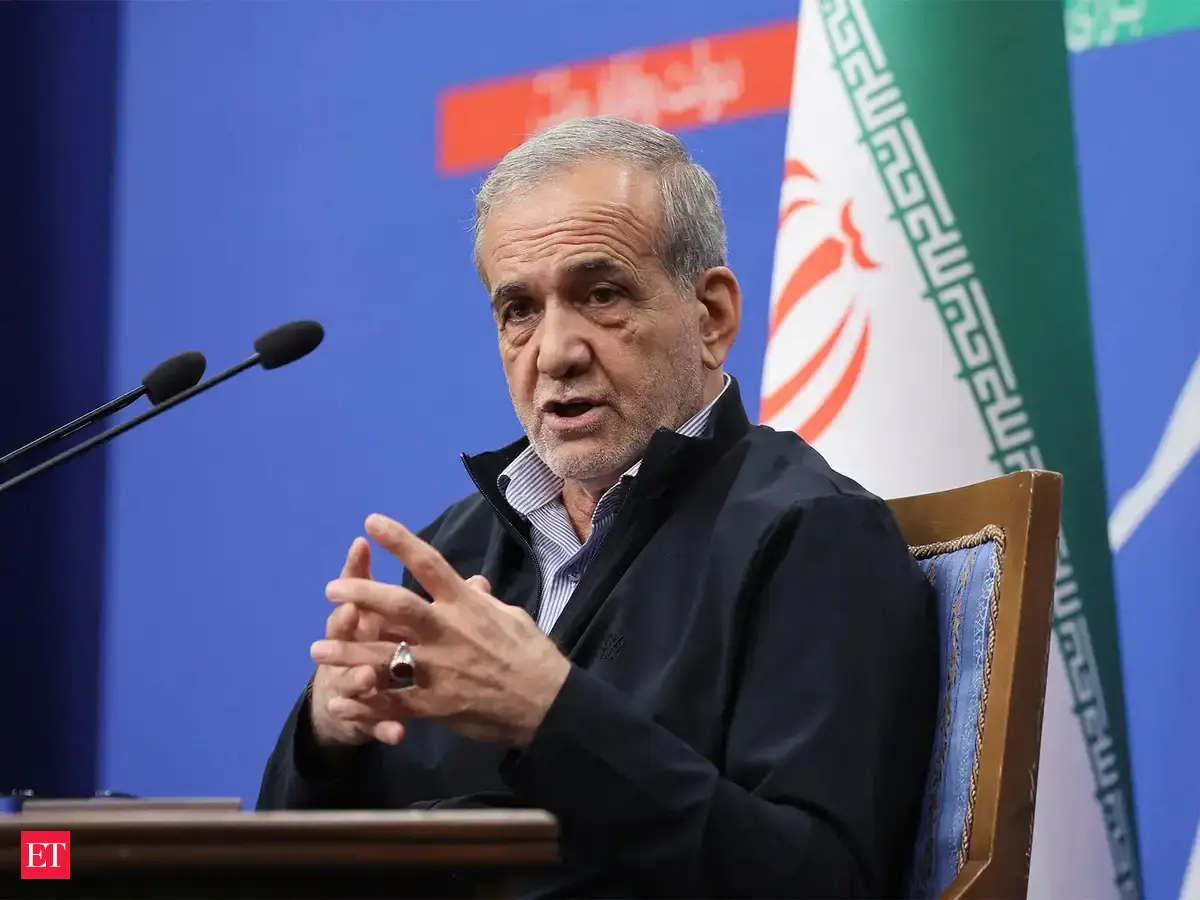
The United States and Iran wrapped up a third round of ceasefire negotiations in Islamabad, Pakistan, following a fragile ceasefire announcement. The talks, led by US Vice President JD Vance and Iranian Parliament Speaker Mohammad Bagher Ghalibaf, will continue after a break amidst ongoing military tensions in the region.
- 01US and Iran held significant ceasefire negotiations in Islamabad, Pakistan.
- 02The discussions follow a fragile ceasefire amidst ongoing military tensions.
- 03US military actions in the Strait of Hormuz are part of broader strategic maneuvers.
- 04Iran has set specific demands, including a halt to Israeli strikes and compensation for damages.
- 05International players, including China and Saudi Arabia, are indirectly facilitating the talks.
Advertisement
In-Article Ad
The United States and Iran concluded a pivotal third round of ceasefire negotiations in Islamabad, Pakistan, early on Sunday. These discussions come just days after a fragile ceasefire was announced in a war that has claimed thousands of lives and disrupted global markets. The US delegation, led by Vice President JD Vance, and the Iranian delegation, headed by Parliament Speaker Mohammad Bagher Ghalibaf, are set to resume talks after a break, as both sides navigate significant disagreements. Iran's demands include a reduction in Israeli strikes on Hezbollah and compensation for damages caused by US-Israeli military actions. The ongoing conflict has resulted in over 3,000 deaths in Iran, 2,020 in Lebanon, and 23 in Israel, severely impacting infrastructure across the region. Amidst these tensions, the US military has initiated mine-clearing operations in the Strait of Hormuz, a crucial passage for global oil trade, which has been largely controlled by Iran since the war began. The negotiations are being indirectly facilitated by officials from countries such as China, Egypt, Saudi Arabia, and Qatar, reflecting the high stakes involved. Both sides express skepticism but remain hopeful about achieving a lasting peace.
Advertisement
In-Article Ad
The outcome of these negotiations could significantly affect regional stability and global oil prices, impacting economies worldwide.
Advertisement
In-Article Ad
Reader Poll
Do you believe the US-Iran negotiations will lead to a lasting ceasefire?
Connecting to poll...
Read the original article
Visit the source for the complete story.