




Supreme Court Advocates Universal Access to Temples in India
Everybody should have access to temples, matha: Apex Court
 The Economic Times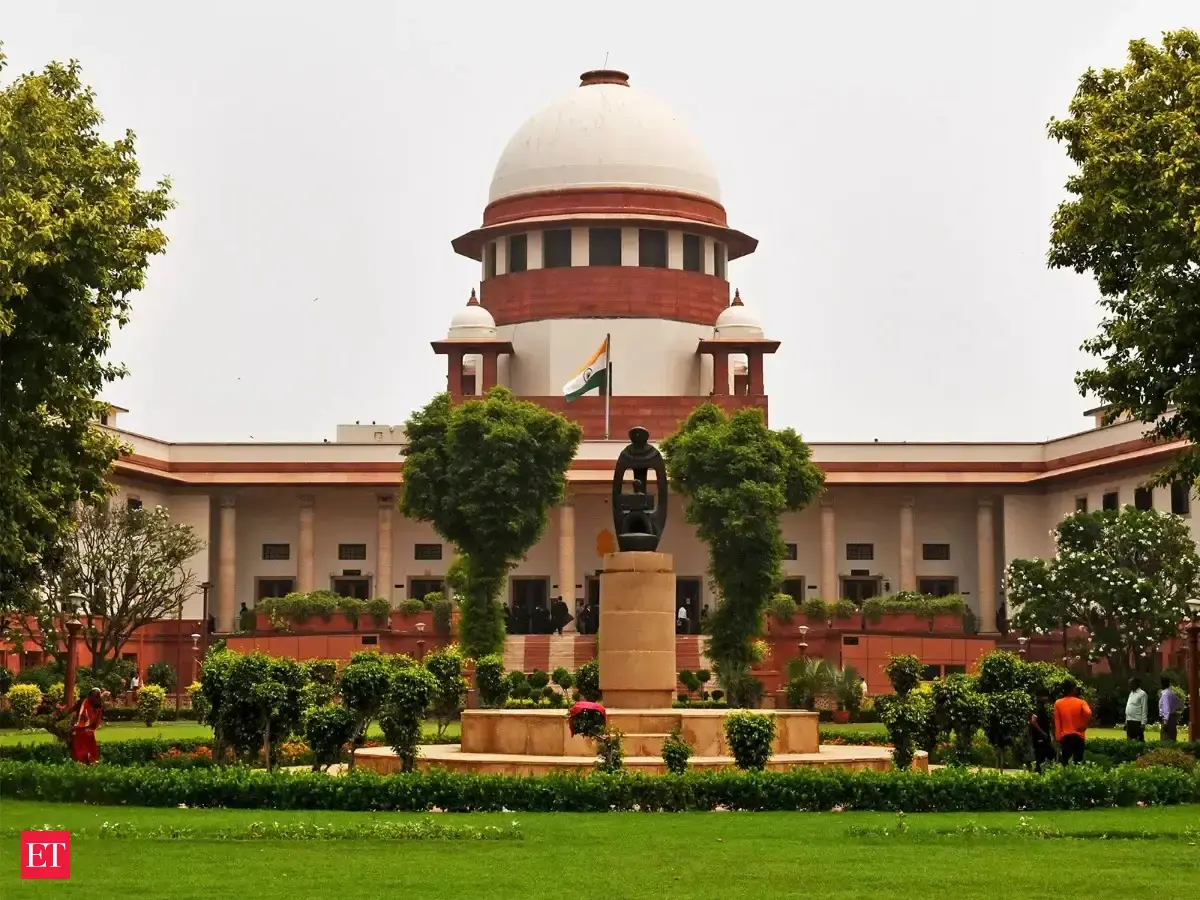
Image: The Economic Times
The Supreme Court of India emphasized the need for universal access to all temples, stating that denying entry based on religion is detrimental to Hinduism. Justice BV Nagarathna highlighted the importance of inclusivity in religious practices, as the court hears petitions regarding discrimination against women in religious places.
- 01The Supreme Court advocates for universal access to temples for all individuals, regardless of religion.
- 02Justice BV Nagarathna stressed that restricting temple access is harmful to Hinduism.
- 03The court is examining legal questions surrounding religious practices and discrimination against women.
- 04Arguments were presented regarding the balance between religious rights and state reforms.
- 05The Centre defended restrictions at certain temples as not solely gender-based.
Advertisement
In-Article Ad
During a hearing on discrimination in religious practices, the Supreme Court of India, led by Chief Justice Surya Kant, underscored that all individuals should have access to temples. Justice BV Nagarathna, the only female judge on the nine-member bench, remarked that denying temple access based on religion is detrimental to Hinduism. The court is currently addressing petitions related to women's access to religious sites, including the controversial Sabarimala temple in Kerala. Justice Nagarathna clarified that her comments were not limited to Sabarimala but pertained to broader issues of inclusivity in Hindu practices. Senior advocate CS Vaidyanathan argued that the right of religious denominations to manage their affairs, as per Article 26(b), should not override the state's ability to reform religious practices under Article 25(2)(b). The Centre's solicitor general, Tushar Mehta, countered that restrictions at temples are not solely based on gender, citing examples of male-restricted temples. This ongoing discussion reflects the complex interplay between tradition and modern interpretations of religious freedom in India.
Advertisement
In-Article Ad
This ruling could lead to changes in temple access policies, promoting inclusivity and equality in religious practices across India.
Advertisement
In-Article Ad
Reader Poll
Should access to all temples in India be guaranteed for everyone, regardless of gender or religion?
Connecting to poll...
Read the original article
Visit the source for the complete story.