


RBI Governor Warns of Economic Risks from Hormuz Disruptions Amid MPC Meeting
'Disruptions In Hormuz Likely To Impact Growth': RBI Governor During MPC Meeting
 News 18
Image: News 18
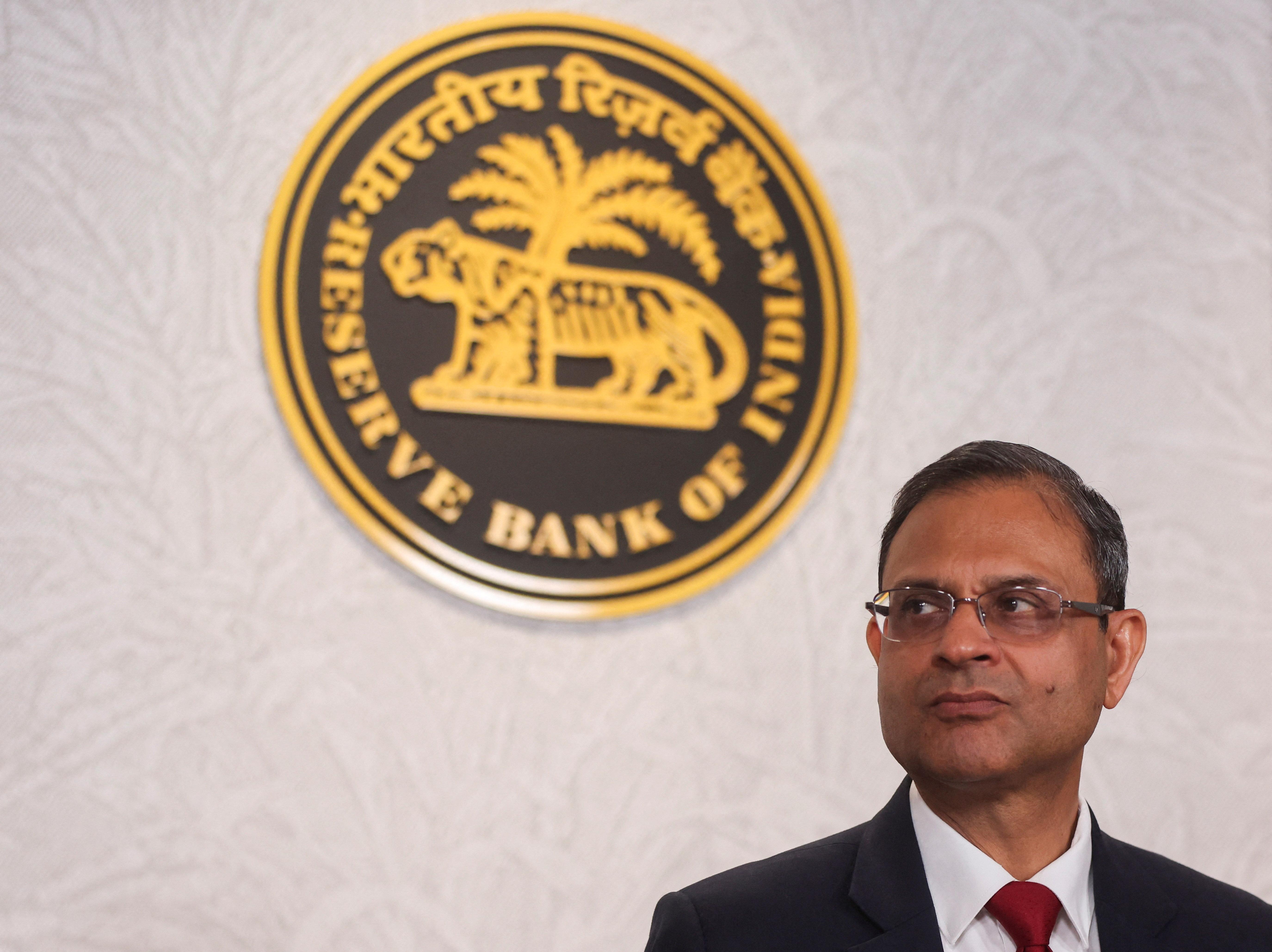
RBI Governor Sanjay Malhotra highlighted potential economic growth risks due to disruptions in the Strait of Hormuz during the Monetary Policy Committee meeting. The RBI maintained the repo rate at 5.25%, while concerns over rising crude oil prices and inflation pressures persist amidst geopolitical tensions.
- 01RBI Governor Sanjay Malhotra warns of economic risks from Strait of Hormuz disruptions.
- 02The repo rate remains unchanged at 5.25% amid expectations of global recovery.
- 03Retail inflation eased to 3.21% in February, closer to the RBI's target of 4%.
- 04The Indian rupee depreciated over 4% since the onset of the US-Israel-Iran conflict.
- 05Geopolitical tensions could trigger a medium-term demand shock affecting growth.
Advertisement
In-Article Ad
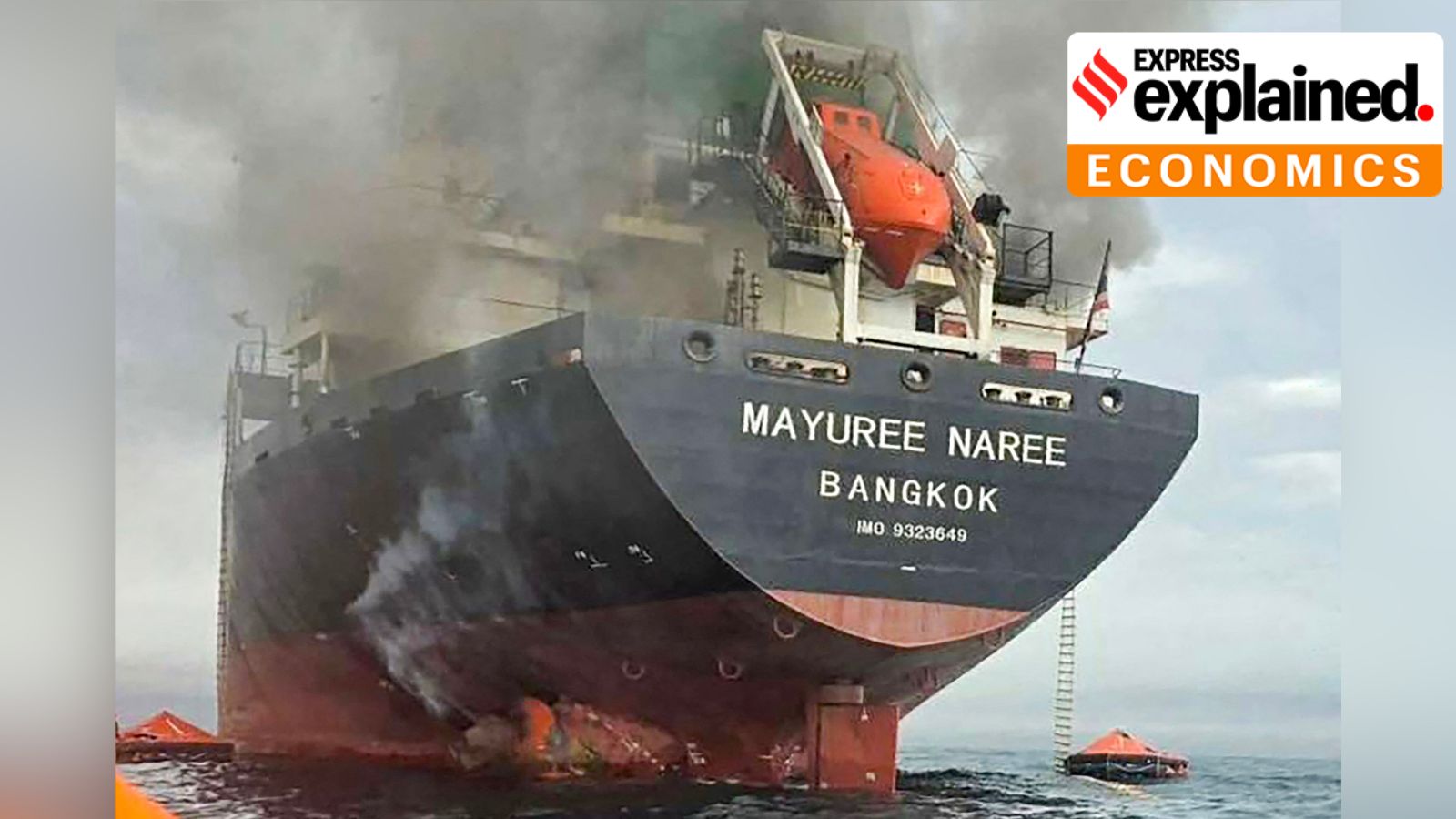
During the recent Monetary Policy Committee (MPC) meeting, Reserve Bank of India Governor Sanjay Malhotra expressed concerns about the impact of disruptions in the Strait of Hormuz on economic growth. He noted that heightened geopolitical tensions could disrupt global supply chains and energy markets, potentially leading to increased crude oil and commodity prices. The RBI decided to keep the repo rate unchanged at 5.25%, maintaining a neutral policy stance amid expectations of a global recovery following a ceasefire in the US-Israel-Iran conflict. This decision comes as the RBI faces challenges in managing inflation, with retail inflation easing to 3.21% in February, approaching the RBI's medium-term target of 4%. However, the Indian rupee has depreciated by over 4% since the conflict began, adding pressure on import-driven inflation. Following the ceasefire announcement, the rupee appreciated by 50 paise to 92.56 against the US dollar, highlighting the currency's volatility in response to geopolitical events.
Advertisement
In-Article Ad
The RBI's decision to maintain the repo rate impacts borrowing costs for consumers and businesses, influencing loan rates and economic activity. Rising crude oil prices could lead to increased costs for everyday goods, affecting household budgets.
Advertisement
In-Article Ad
Reader Poll
How do you feel about the RBI's decision to maintain the repo rate?
Connecting to poll...
More about Reserve Bank of India
Read the original article
Visit the source for the complete story.