

Antarctica's Melting Ice: A Potential Resource Boom or Environmental Crisis?
What Lies Beneath Antarctica’s Ice? Hidden Riches Or A Global Crisis Ahead
 News 18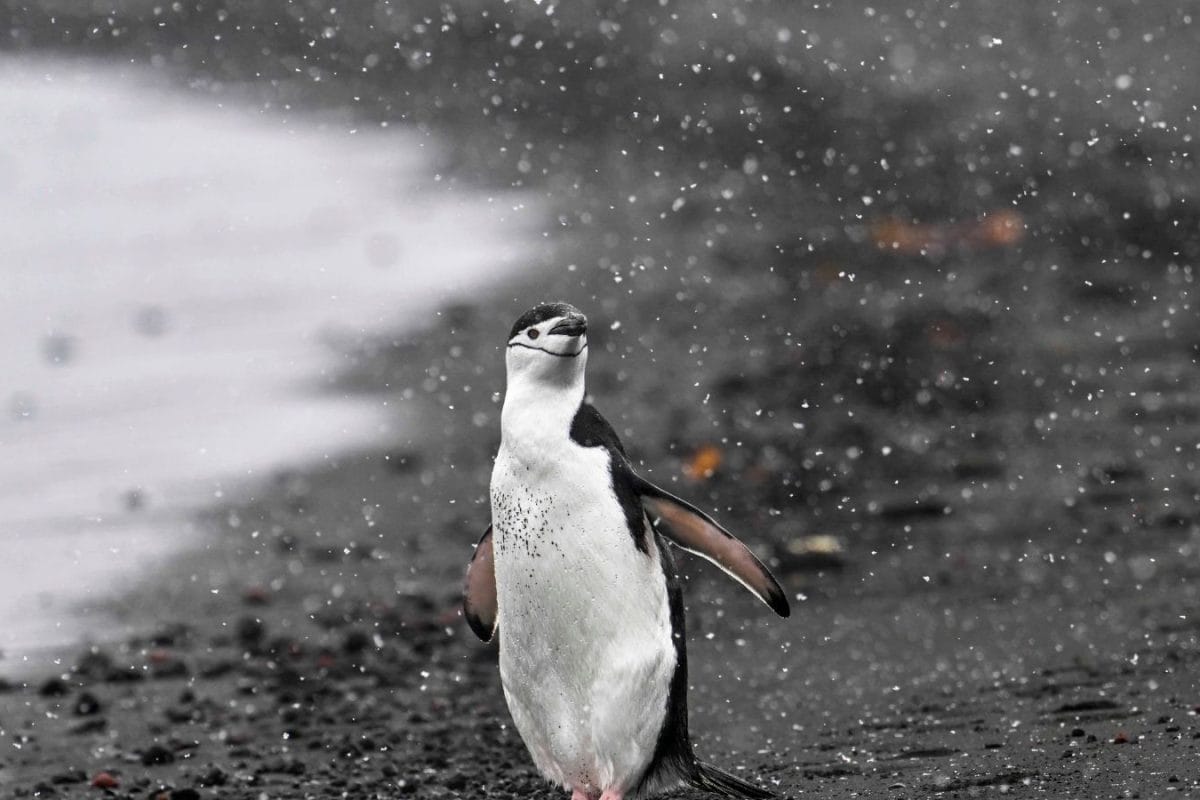
Image: News 18
As Antarctica's ice melts due to climate change, valuable minerals like gold and copper may be uncovered, raising questions about resource exploitation versus environmental protection. By 2300, over 120,000 sq km of land could be exposed, potentially triggering geopolitical competition for these resources.
- 01Antarctica's ice is melting faster due to climate change, exposing land that may contain valuable minerals.
- 02A study suggests over 120,000 sq km of land could be uncovered by 2300, raising concerns about resource exploitation.
- 03Mining in Antarctica is currently banned but could be reviewed after 2048, leading to potential geopolitical competition.
- 04India, as a signatory to the Antarctic Treaty, prioritizes research and environmental protection, though it stands to benefit from mineral access.
- 05Melting ice poses risks like rising sea levels, affecting coastal regions in India and contributing to erratic weather patterns.
Advertisement
In-Article Ad
Antarctica's ice is melting at an accelerated rate due to climate change, revealing land that may be rich in minerals such as gold, silver, and copper. A study predicts that by 2300, more than 120,000 sq km of land could be exposed, which could lead to significant resource extraction opportunities. However, current international agreements, including the Antarctic Treaty and the Madrid Protocol, prohibit mining activities. These restrictions may be revisited after 2048, raising fears of a geopolitical race among nations to exploit these resources. For India, which operates research stations in Antarctica like Maitri and Bharati, the implications are substantial. While there are no current mining plans, access to these minerals could support industries such as electric vehicles and renewable energy. Nevertheless, the melting ice also contributes to rising sea levels, threatening coastal areas like Visakhapatnam and Konaseema, and may lead to unpredictable weather patterns that could disrupt agriculture and livelihoods. The situation underscores the need for careful consideration of environmental protection amid the allure of potential mineral wealth.
Advertisement
In-Article Ad
The melting ice in Antarctica poses a risk of rising sea levels, which could affect coastal regions in India and disrupt local agriculture due to changing weather patterns.
Advertisement
In-Article Ad
Reader Poll
Should countries be allowed to mine resources in Antarctica?
Connecting to poll...
Read the original article
Visit the source for the complete story.