


The Interconnected Relationships Behind the U.S.-Iran Conflict: Kushner, Netanyahu, and MBS
The Bedroom, The Cover-Up, The Triangle — Then Iran War: Inside Kushner, Netanyahu, And MBS’ Story
 Times Now News
Image: Times Now News
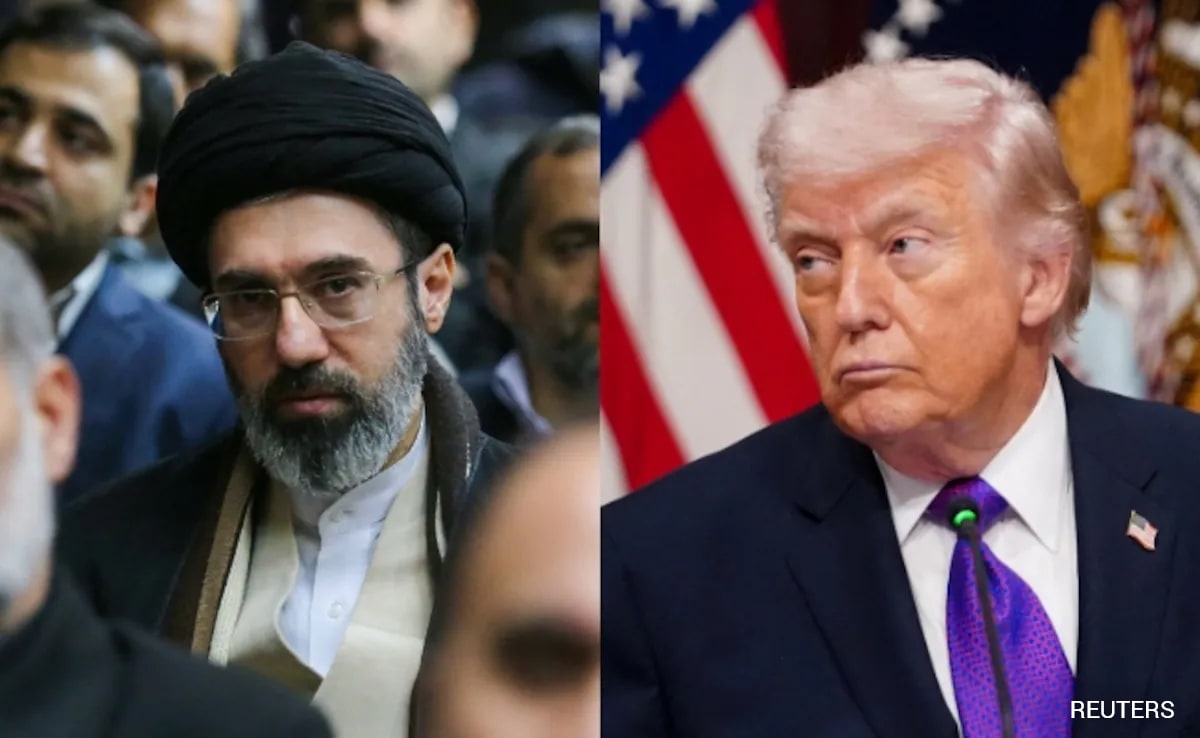
The relationships between Jared Kushner, Israeli Prime Minister Benjamin Netanyahu, and Saudi Crown Prince Mohammed Bin Salman (MBS) have significantly influenced U.S. foreign policy, culminating in military action against Iran. This triangle of connections raises concerns about conflicts of interest and the motivations behind the war.
- 01Jared Kushner's childhood connection with Netanyahu facilitated a strong diplomatic relationship.
- 02Kushner's ties with MBS include financial investments that influenced U.S. military decisions.
- 03The U.S. military action against Iran was not solely a strategic decision but intertwined with personal relationships and financial interests.
- 04Kushner and his associates allegedly misled Trump regarding peace negotiations with Iran.
- 05The ongoing conflict has resulted in significant casualties and geopolitical instability.
Advertisement
In-Article Ad
The intricate relationships between Jared Kushner, Israeli Prime Minister Benjamin Netanyahu, and Saudi Crown Prince Mohammed Bin Salman (MBS) have played a pivotal role in shaping U.S. foreign policy towards Iran. Kushner, who grew up with Netanyahu's influence, leveraged this connection to persuade then-President Donald Trump to engage militarily against Iran. This military action, described as the most costly since the Iraq War, was partly fueled by Kushner's financial ties, including a $2 billion investment from Saudi Arabia's Public Investment Fund (PIF) into Kushner's firm, Affinity Partners. The dynamics of this triangle—Kushner-Netanyahu, Kushner-MBS, and MBS-Netanyahu—have raised serious ethical questions about conflicts of interest. Critics, including U.S. Senators, have called for investigations into Kushner’s actions, suggesting that his financial incentives compromised U.S. diplomatic efforts. The conflict has led to the deaths of 13 American service members, over 200 wounded, and significant geopolitical repercussions, including rising oil prices and instability in the Middle East. As the situation unfolds, the implications of these relationships continue to resonate in U.S. foreign policy and military strategy.
Advertisement
In-Article Ad
The conflict has resulted in significant loss of life, increased military spending, and rising oil prices, affecting both the U.S. economy and global markets.
Advertisement
In-Article Ad
Reader Poll
Do you believe that personal relationships should influence U.S. foreign policy decisions?
Connecting to poll...
Read the original article
Visit the source for the complete story.