

The Erosion of Personal Identity in Indian Democracy
Warning signs for democracy
 Deccan Herald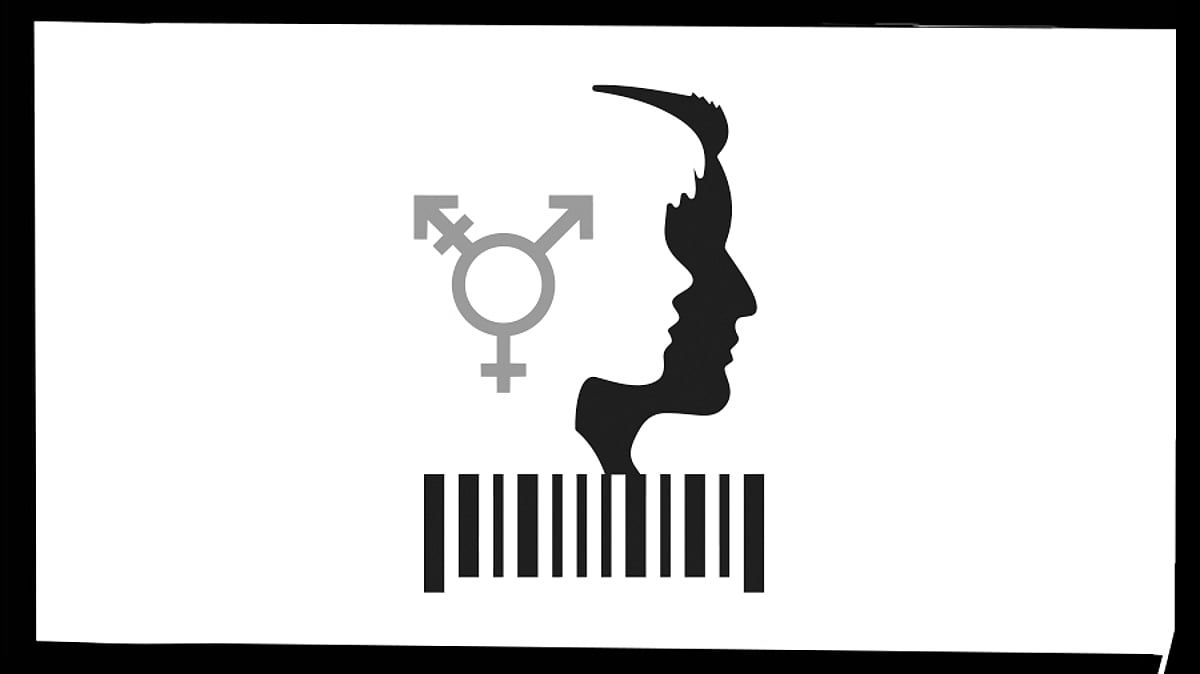
Image: Deccan Herald
Context
In recent years, various laws in India have shifted the control of personal identities from individuals to the state. This includes the Citizenship Amendment Act (CAA), the Special Intensive Revision (SIR) of voters' lists, and amendments affecting transgender rights, all of which impose state-defined identities on citizens.
What The Author Says
The author argues that the increasing state control over personal identities, as seen in recent legislation, threatens the essence of democracy in India.
Key Arguments
📗 Facts
- The Citizenship Amendment Act (CAA) was passed in December 2019, granting citizenship to non-Muslim refugees from neighboring countries.
- The Special Intensive Revision (SIR) of voters' lists is currently being conducted by the Election Commission of India in several states.
- The Supreme Court recognized the principle of self-identification for gender in the NALSA judgment in 2014.
📕 Opinions
- The author believes that the state’s involvement in defining identities undermines the democratic principle of individual autonomy.
- The author argues that the current legal framework is shifting towards authoritarianism, threatening personal freedoms.
Counterpoints
State control can enhance security and order.
Proponents argue that a regulated process for identity verification can prevent misuse and ensure that citizenship is granted fairly.
Identity verification may protect marginalized groups.
Some suggest that these laws could help safeguard the rights of specific communities by ensuring that their identities are recognized and protected.
The state has a role in maintaining societal norms.
Supporters of these measures may argue that the state should play a role in defining identities to uphold cultural and social standards.
Bias Assessment
The author's perspective emphasizes the dangers of state overreach into personal identity, potentially overlooking the arguments for state involvement in identity verification.
Why This Matters
The ongoing debates around the CAA and the proposed National Register of Citizens (NRC) highlight significant concerns about citizenship and identity in India. These issues are particularly relevant as they intersect with broader discussions about democracy and individual rights.
🤔 Think About
- •What are the implications of state-defined identities on personal freedoms?
- •How can we balance security and individual rights in identity verification?
- •Could there be a middle ground where both state and individual rights are respected?
- •What lessons can be learned from other democracies facing similar challenges?
Opens original article on Deccan Herald
Advertisement
In-Article Ad
Reader Poll
Is state control over personal identity justified for security?
Connecting to poll...