




Impact of Iran Conflict on Global Food Prices Remains Minimal
Why energy shock from Iran war has not spread to food
 The Indian Express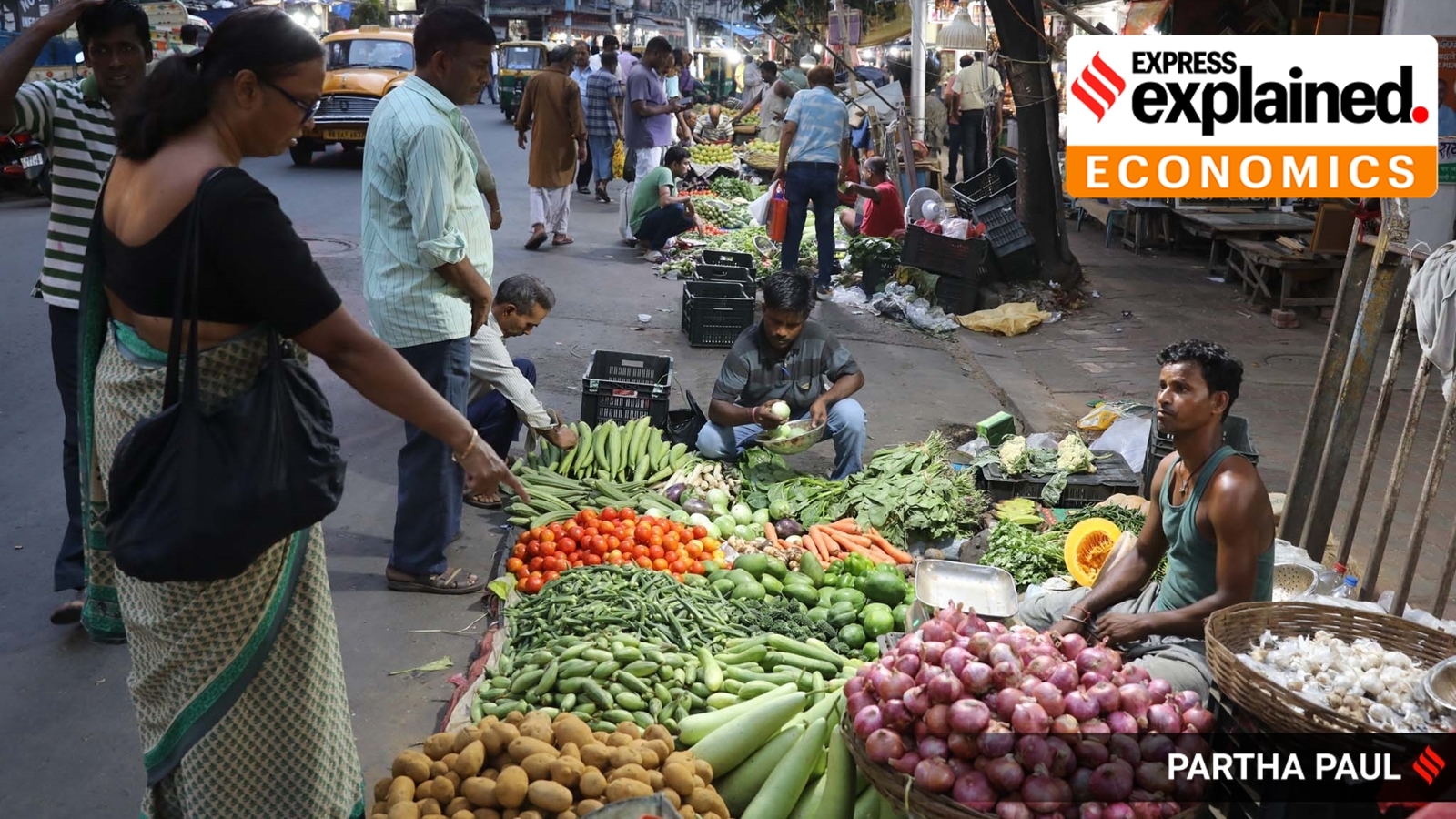
Image: The Indian Express
Despite significant rises in Brent crude oil prices due to the ongoing conflict between the United States and Israel against Iran, global food prices have not surged. The FAO Food Price Index shows only a slight increase, attributed to ample food supplies and record production levels, contrasting sharply with previous energy shocks.
- 01Brent crude prices rose to $119.5 per barrel in March 2026 due to the Iran conflict.
- 02The FAO Food Price Index increased only 1% year-on-year, unlike previous energy crises.
- 03Record global production of key crops is stabilizing food prices.
- 04Potential future food price increases could stem from rising fertilizer costs and biofuel crop diversion.
- 05Indonesia's aggressive biofuel policies are influencing palm oil prices despite high production.
Advertisement
In-Article Ad
The ongoing conflict involving the United States and Israel against Iran has led to a significant spike in Brent crude oil prices, reaching $119.5 per barrel in March 2026. However, unlike previous energy crises in 2008 and 2022, global food prices have remained stable, with the FAO Food Price Index showing only a 1% increase year-on-year. This stability is largely due to record global production levels of essential crops, including wheat, corn, and sugar, which are projected to reach 844.2 million tonnes for wheat and 1,301.1 million tonnes for corn in the 2025-26 season. Despite this, concerns remain regarding potential future food price increases driven by rising costs of fertilizers and the diversion of crops for biofuel production. Countries like Indonesia are implementing strict biofuel blending mandates, which could further impact food supply dynamics. The situation remains fluid, and the duration of the current energy crisis will be crucial in determining future food price trends.
Advertisement
In-Article Ad
Stable food prices provide relief to consumers and businesses, but rising fertilizer costs could threaten future agricultural yields.
Advertisement
In-Article Ad
Reader Poll
Do you think the ongoing Iran conflict will eventually impact global food prices?
Connecting to poll...
Read the original article
Visit the source for the complete story.