



Fuel Crisis Impacting Lives Across Asia: A Day in the Life
A day in the life of Asia’s fuel crisis
 The Guardian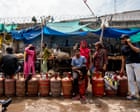
Image: The Guardian
The ongoing fuel crisis is affecting daily life across Asia, from farmers in New Zealand facing rising diesel costs to bus drivers in Vanuatu struggling with potential fare hikes. In South Korea, public sector workers adapt to fuel restrictions, while taxi drivers in China express concerns over rising prices but remain optimistic due to government support.
- 01Farmers in New Zealand report significant increases in fuel costs impacting their operations.
- 02Bus drivers in Vanuatu fear they may need to raise fares to cope with rising fuel prices.
- 03Public sector workers in South Korea are adjusting to mandatory vehicle restrictions to save fuel.
- 04Mobile grocery truck owners in Thailand face difficulties in sourcing fuel and rising costs affecting their profits.
- 05Workers in India are struggling with skyrocketing gas prices, leading to severe financial strain.
Advertisement
In-Article Ad
The fuel crisis is having a profound impact on daily life across Asia, affecting various professions and communities. In Kaipara, New Zealand, farmer James Brady reports that rising diesel prices have increased his monthly fuel costs by NZ$1,252 (approximately $800 USD), forcing him to reconsider investments in his dairy farm. In Port Vila, Vanuatu, bus driver Daniel Thomas expresses concern over potential fare hikes due to rising fuel prices, which could leave him struggling to cover his expenses. Meanwhile, in Sejong, South Korea, public sector worker Kim Hooin has adapted to a government-imposed vehicle restriction system, prioritizing public transport and electric vehicles to manage rising fuel costs. In Surin province, Thailand, mobile grocery truck owner Teerayut Ruenrerng faces challenges in sourcing fuel, with prices and availability fluctuating, significantly impacting his profits. In Delhi, India, Amazon warehouse worker Rajesh Singh is suffering from the skyrocketing price of gas, which has increased from ₹100 (approximately $1.20 USD) to ₹400 (approximately $4.80 USD), forcing him to reduce his meals to conserve resources. Finally, taxi driver Cui Xinming in Beijing, China, shares concerns about rising fuel prices but remains optimistic about the government's ability to manage the crisis and the country's shift towards clean energy solutions.
Advertisement
In-Article Ad
The rising fuel prices are leading to increased costs for essential services and goods, affecting farmers, transport workers, and consumers across Asia.
Advertisement
In-Article Ad
Reader Poll
How do you think the fuel crisis will impact your daily life?
Connecting to poll...
Read the original article
Visit the source for the complete story.