



Indian Rupee Stabilizes Amid Market Fluctuations and Importer Demand
Rupee ends little changed, hemmed in by position unwinding, importer hedging
 The Economic Times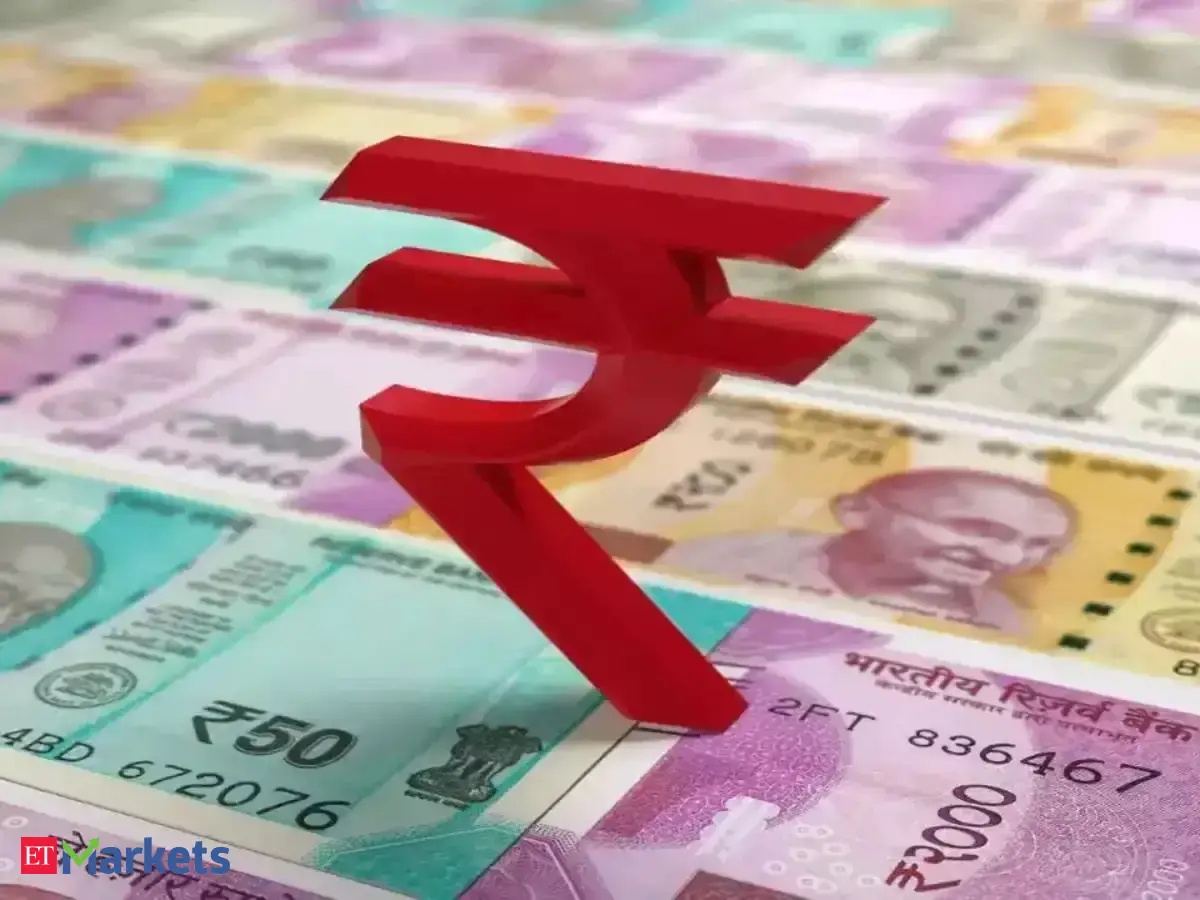
Image: The Economic Times
The Indian rupee closed at 93.06 against the dollar on Monday, reflecting minimal change amid dollar sales and heightened importer hedging demand due to uncertainties from the Iran conflict. The rupee had previously rebounded from a record low of 95.21 following interventions by the Reserve Bank of India.
- 01The rupee closed at 93.06, slightly down from 93.10 in the previous session.
- 02A record low of 95.21 was recorded before the rupee's recovery.
- 03Hedging costs for importers rose significantly, the highest since the 2007-2009 financial crisis.
- 04The one-year dollar-rupee implied yield peaked at 3.96% before settling at 3.57%.
- 05The Reserve Bank of India's policy decision is anticipated on Wednesday, with expectations of unchanged rates.
Advertisement
In-Article Ad
The Indian rupee ended nearly unchanged at 93.06 against the US dollar on Monday, following a previous close of 93.10. The currency had recently rebounded from a record low of 95.21 after the Reserve Bank of India (RBI) took measures to curb speculation. Early trading saw the rupee rise to a two-week high of 92.7925, but it lost ground as importers engaged in hedging amid rising demand for dollars linked to foreign portfolio outflows. This surge in hedging demand has pushed costs to their highest levels since the 2007-2009 global financial crisis. The one-year dollar-rupee implied yield reached a peak of 3.96% before declining to 3.57%, while India's one-year overnight indexed swap (OIS) rate fell nearly 20 basis points to 6.17%. Market analysts suggest that current movements in the USD/INR and forwards are being driven more by market flows than by underlying fundamentals. As global tensions surrounding Iran continue to influence markets, the RBI's upcoming monetary policy decision on Wednesday is expected to maintain current interest rates, aiming to stabilize market conditions.
Advertisement
In-Article Ad
The fluctuations in the rupee can affect import costs, potentially leading to higher prices for goods and services in India. Importers may face increased hedging costs, which could be passed on to consumers.
Advertisement
In-Article Ad
Reader Poll
How do you expect the rupee to perform in the coming weeks?
Connecting to poll...
More about Reserve Bank of India
Sebi and RBI Collaborate to Mitigate Market Volatility for Indian Companies
The Economic Times • Apr 6, 2026

RBI Poised for Rate Cuts Amid Global Uncertainty, Says Finance Minister Nirmala Sitharaman
The Economic Times • Apr 6, 2026

Indian Rupee Strengthens Against US Dollar Amid RBI Measures
Business Standard • Apr 6, 2026
Read the original article
Visit the source for the complete story.