




India Delays Stricter Grid Rules for Wind and Solar Generators by One Year
Relief to wind, solar generators: Electricity regulator delays stricter grid stability rules
 The Indian Express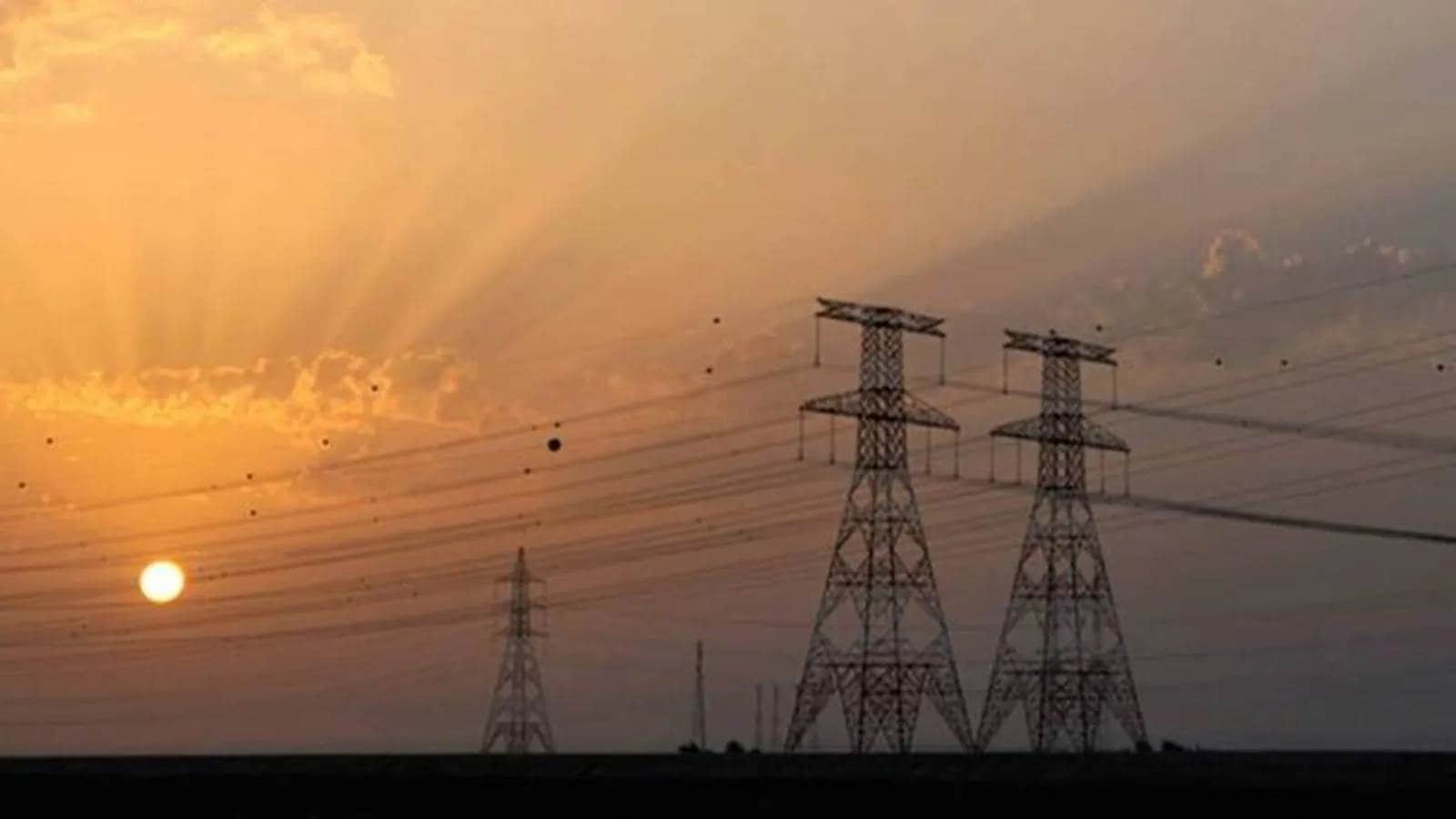
Image: The Indian Express
India's electricity regulator has postponed the implementation of stricter grid stability rules for wind and solar generators by one year, now set to begin in April 2027. This delay provides a reprieve for renewable energy companies, allowing them more time to adjust to new regulations aimed at minimizing discrepancies between promised and actual electricity supply.
- 01Stricter grid rules for renewable energy delayed until April 2027.
- 02Deviation charges will still apply, but norms are relaxed for renewable generators.
- 03New regulations aim to align renewable energy rules with conventional generators by 2031.
- 04Forecasting errors in renewable energy generation can significantly impact grid stability.
- 05Permissible deviation bands for solar and wind projects will be narrowed over time.
Advertisement
In-Article Ad
India's Central Electricity Regulatory Commission (CERC) has announced a delay in the rollout of stricter grid stability rules for wind and solar generators, pushing the start date from April 2026 to April 2027. The new regulations are designed to penalize power generators for discrepancies between their scheduled and actual electricity output, which can disrupt grid stability. Currently, renewable energy accounts for over 50% of India's installed power capacity, although it contributes less than 30% to actual electricity generation. The CERC's decision provides renewable energy companies with additional time to adapt to the new rules, which will require them to declare their electricity supply commitments in advance. While deviation charges will still apply, the relaxed norms acknowledge the unpredictable nature of wind and solar energy due to weather conditions. The CERC plans to align renewable energy deviation rules with those of conventional generators by 2031, as the rapid increase in renewable energy capacity raises concerns about grid stability. The new framework will assess deviations based on a blended calculation method, taking into account both available capacity and scheduled generation. Over time, the margin for error before penalties are imposed will decrease, with solar projects seeing a reduction from ±10% to ±5%, and wind projects from ±15% to ±10%.
Advertisement
In-Article Ad
The delay in stricter regulations allows renewable energy companies to maintain their revenue streams longer, potentially stabilizing electricity prices for consumers. However, tighter rules in the future could lead to increased costs if generators do not accurately forecast their output.
Advertisement
In-Article Ad
Reader Poll
Do you support the delay in stricter grid rules for renewable energy generators?
Connecting to poll...
Read the original article
Visit the source for the complete story.