

Justice B.V. Nagarathna Advocates for Cooperative Federalism in India
States are not Centre’s subordinates: Justice B.V. Nagarathna
 The Hindu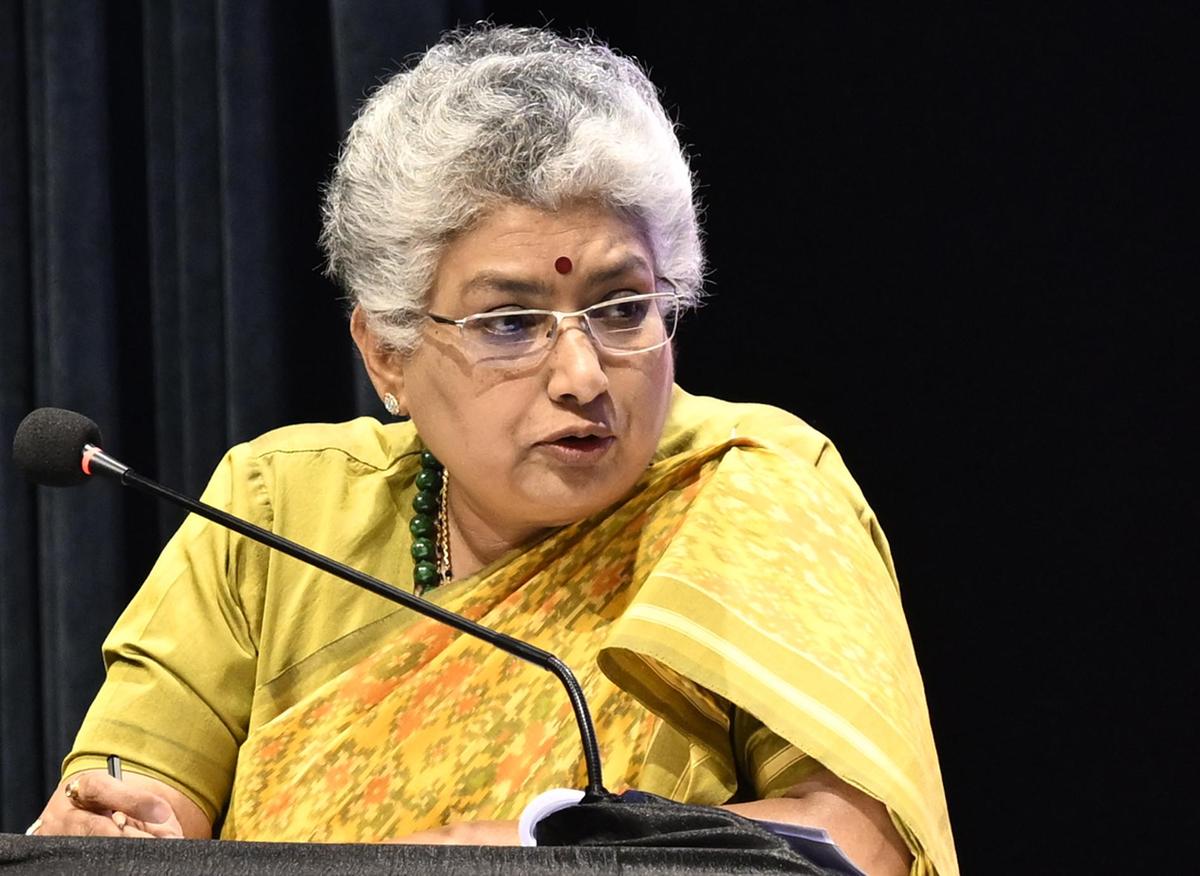
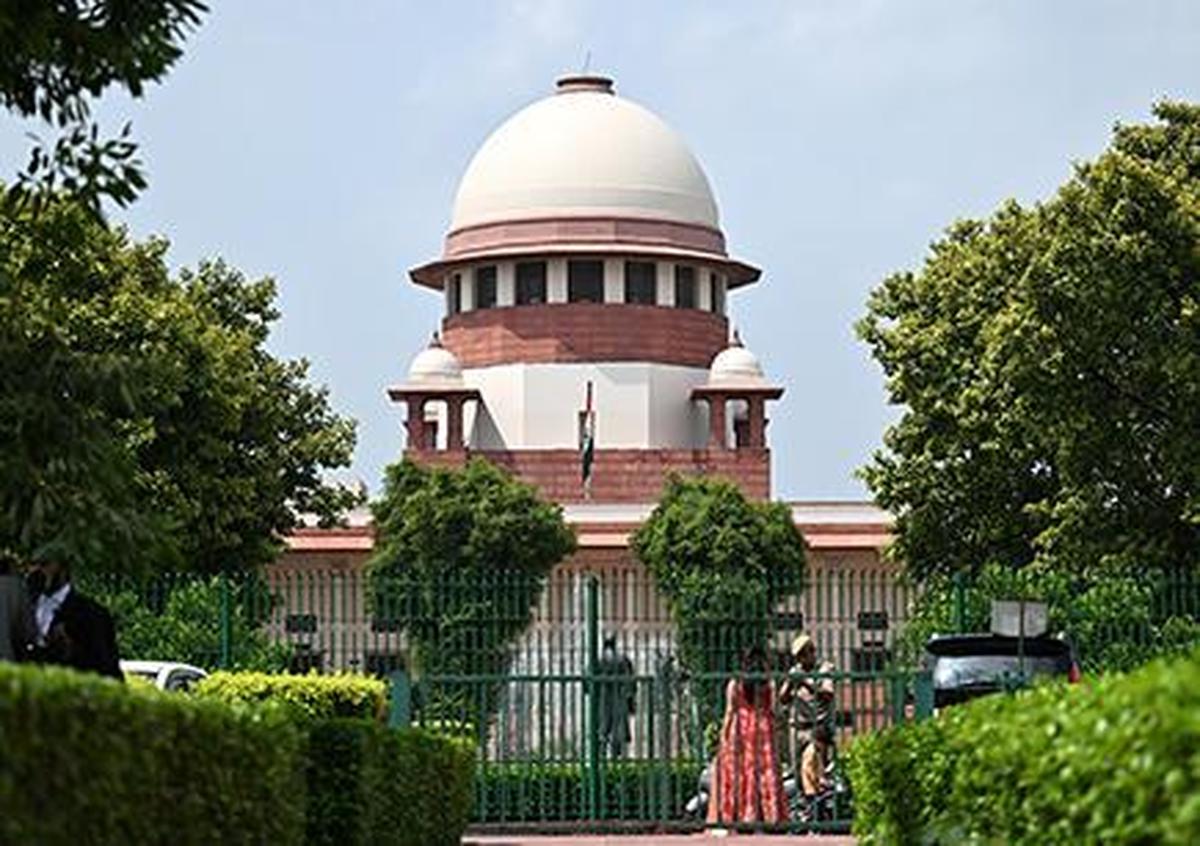
Image: The Hindu
Supreme Court Justice B.V. Nagarathna emphasized that the Indian Centre should not treat States as subordinates and must ensure equitable treatment regardless of political affiliations. She called for a cooperative federalism approach, advocating for dialogue over litigation in resolving disputes between the Centre and States.
- 01Justice Nagarathna asserts that the Centre should view States as equals, not subordinates.
- 02Political differences should not lead to discrimination against citizens of opposing party-ruled States.
- 03She advocates for dialogue and mediation over adversarial litigation in federal disputes.
- 04Nagarathna highlights the importance of equitable development programs for all citizens.
- 05Increasing conflicts between the Centre and States undermine India's constitutional governance.
Advertisement
In-Article Ad
In a recent lecture at Chanakya National Law University, Justice B.V. Nagarathna of the Supreme Court of India asserted that the Central government must not regard States as subordinates. She emphasized that political differences should not result in discrimination against citizens based on the ruling party in a State. Justice Nagarathna highlighted the need for a cooperative federalism approach, where the Centre acts as a mentor rather than an instigator of conflict. She argued that disputes between the Centre and States should ideally be resolved through dialogue and mediation instead of litigation, as frequent court cases reflect a weakening of cooperative federalism. The Justice pointed out that issues like border disputes and water-sharing are complex and should not be simplified to adversarial legal battles. Her remarks underscore the importance of equitable treatment in governance and development programs for all citizens, regardless of their political affiliations.
Advertisement
In-Article Ad
Justice Nagarathna's statements could influence how federal relations are managed in India, potentially leading to more equitable treatment of citizens across different States.
Advertisement
In-Article Ad
Reader Poll
Do you believe the Centre should treat States as equals in governance?
Connecting to poll...
More about Supreme Court of India
Supreme Court Forms Nine-Judge Bench to Review Sabarimala Verdict
The Hindu • Apr 4, 2026

Supreme Court Justice Urges Equitable Centre-State Relations in India
Hindustan Times • Apr 4, 2026
Supreme Court to Begin Final Hearing on Religious Freedom and Women's Rights Cases on April 7
Business Standard • Apr 4, 2026
Read the original article
Visit the source for the complete story.