

Failed Peace Talks: U.S.-Iran Conflict Escalates Amidst Staggering Costs
Failed peace deal: The Iran war has inflicted a cascade of losses that may never be recovered
 theconversation
Image: theconversation
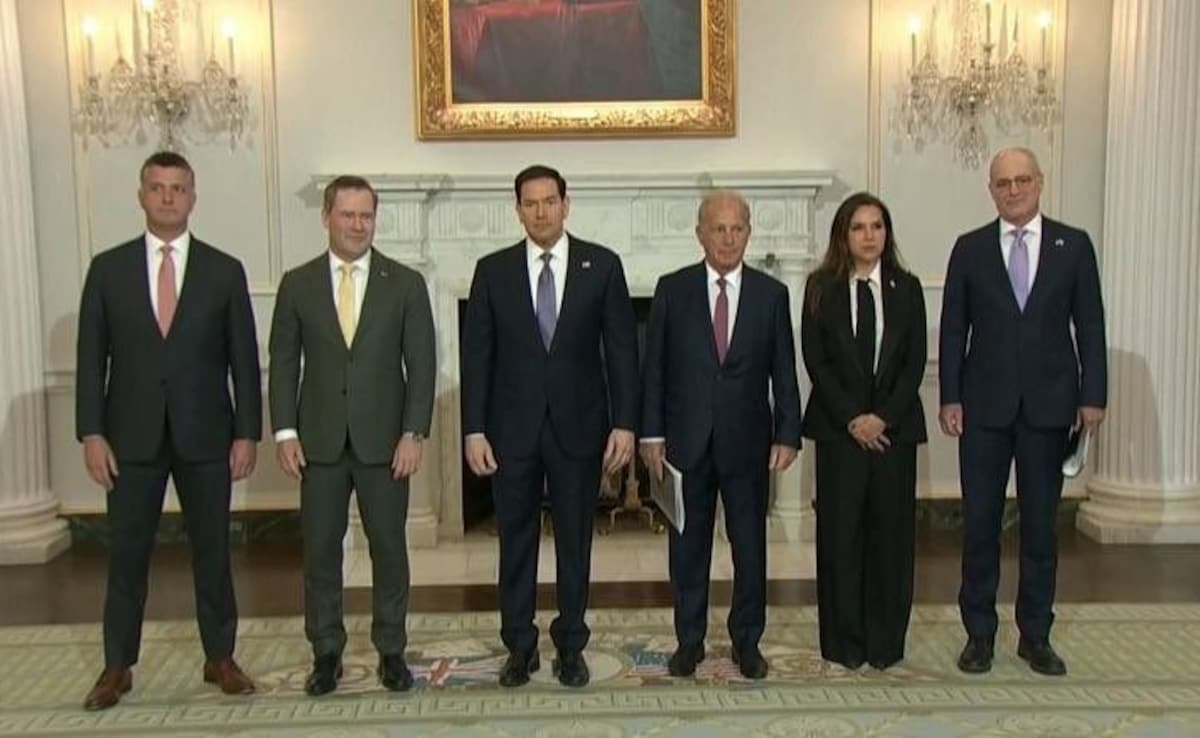
Recent peace negotiations between the U.S. and Iran in Islamabad, led by Vice President JD Vance, failed to produce a consensus, highlighting deep divisions. The ongoing conflict has resulted in significant casualties and economic turmoil, raising questions about the effectiveness of U.S. foreign policy in the Middle East.
- 01U.S.-Iran peace talks in Islamabad failed due to conflicting proposals.
- 02The ongoing conflict has resulted in over 1,500 Iranian and 13 American casualties.
- 03The Pentagon has spent approximately $28 billion in just 39 days of conflict.
- 04Global oil prices have surged by over 55% since the war began.
- 05The U.S. is facing internal dissent regarding its military actions and foreign policy.
Advertisement
In-Article Ad
Peace negotiations between the United States and Iran, held in Islamabad and led by Vice President JD Vance, ended without agreement, underscoring the stark differences between Iran's 10-point peace plan and the U.S.'s 15-point proposal. This failure comes amid a backdrop of escalating violence, with over 1,500 Iranians and 13 American soldiers reported dead, and the Pentagon spending approximately $28 billion in just 39 days. The conflict has also disrupted global oil markets, causing prices to jump more than 55%. The ceasefire announced on April 8, 2025, brokered by Pakistan, was quickly undermined by renewed hostilities, including Israeli airstrikes on Lebanon. The U.S. military presence in the region is increasingly questioned, as Gulf states face Iranian missile strikes and the effectiveness of U.S. alliances is called into doubt. Furthermore, the U.S. has drastically reduced its contributions to international peacekeeping, raising concerns about its role in global stability. The current situation reflects a significant shift in the geopolitical landscape, with nations like Pakistan, Turkey, Egypt, and Saudi Arabia stepping in as key mediators, while the U.S. struggles to define its objectives in a war it initiated.
Advertisement
In-Article Ad
The ongoing conflict has led to rising oil prices, affecting economies worldwide, particularly in countries like Bangladesh, Sri Lanka, and Nepal, which are already fragile.
Advertisement
In-Article Ad
Reader Poll
Do you believe the U.S. should continue its military involvement in the Middle East?
Connecting to poll...
Read the original article
Visit the source for the complete story.