

Viktor Orban's Defeat: A Setback for Populism and Authoritarianism
Viktor Obran has been defeated. It’s a win for liberal order, a loss for Donald Trump and Vladimir Putin
 The Indian Express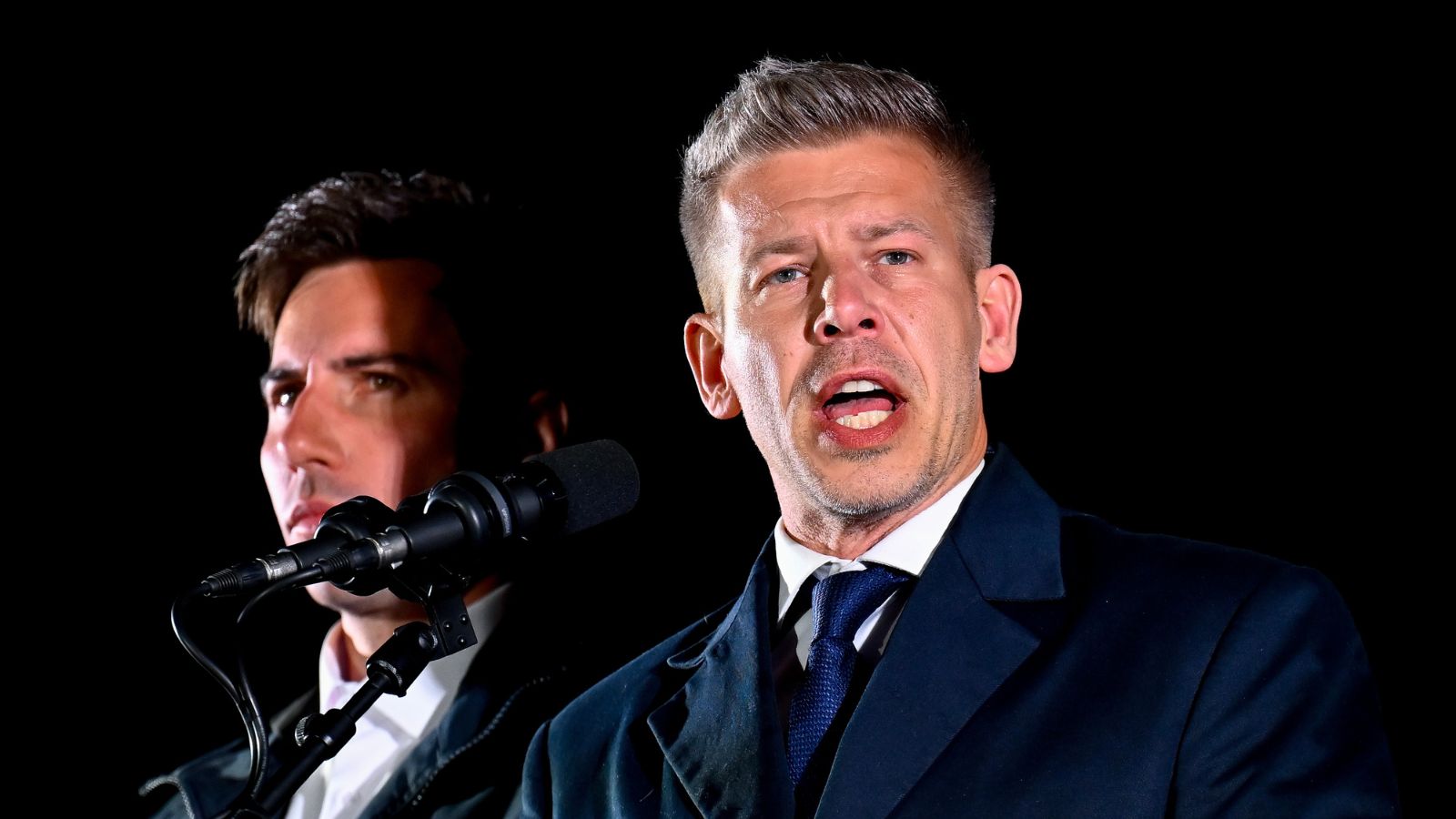
Image: The Indian Express
Context
Viktor Orban, the Prime Minister of Hungary, has been a prominent figure in the rise of far-right populism in Europe. His recent electoral defeat marks a pivotal moment in the struggle between liberal democracy and authoritarian populism.
What The Author Says
The author argues that Viktor Orban's defeat represents a significant setback for the populist and illiberal model of governance in Europe, impacting leaders like Donald Trump and Vladimir Putin.
Key Arguments
📗 Facts
- Viktor Orban's Fidesz party won only 55 seats in Hungary's 199-seat parliament after the recent elections.
- Péter Magyar's Tisza Party secured a two-thirds majority with 138 seats.
- Orban's government had opposed EU sanctions on Russia and blocked financial support for Ukraine.
📕 Opinions
- The author believes that Orban's defeat is a victory for liberal and democratic values across Europe.
- The author argues that the defeat of populist leaders can inspire similar movements against authoritarianism globally.
Counterpoints
Populism may adapt and evolve despite setbacks.
Even with Orban's defeat, populist sentiments may persist and find new expressions in different political contexts.
The new government may not fulfill its promises.
Péter Magyar's administration may struggle to implement significant reforms, facing resistance from entrenched interests.
Voter fatigue with political change can lead to instability.
Frequent changes in government can lead to voter disillusionment and instability, potentially allowing populist rhetoric to resurface.
Bias Assessment
The author presents a clear pro-democracy stance, potentially overlooking the complexities of populist appeal.
Why This Matters
Orban's defeat comes amid a broader trend in Europe where populist leaders are facing electoral challenges, signaling a potential shift back towards liberal democratic values. This is particularly relevant as the EU navigates complex foreign policy issues, including relations with Russia and support for Ukraine.
🤔 Think About
- •What implications does Orban's defeat have for other populist leaders worldwide?
- •Can the new Hungarian government effectively dismantle Orban's legacy?
- •How will this electoral shift influence EU relations with Russia?
- •Is the decline of populism in Europe a temporary trend or a long-term change?
Opens original article on The Indian Express
Advertisement
In-Article Ad
Reader Poll
What does Orban's defeat signify for the future of populism in Europe?
Connecting to poll...
More about European Union

Peter Magyar Promises 'New Era' for Hungary After Defeating Viktor Orban
Hindustan Times • Apr 14, 2026

EU Launches Platform to Secure Critical Minerals and Reduce Dependence on China
Business Standard • Apr 13, 2026
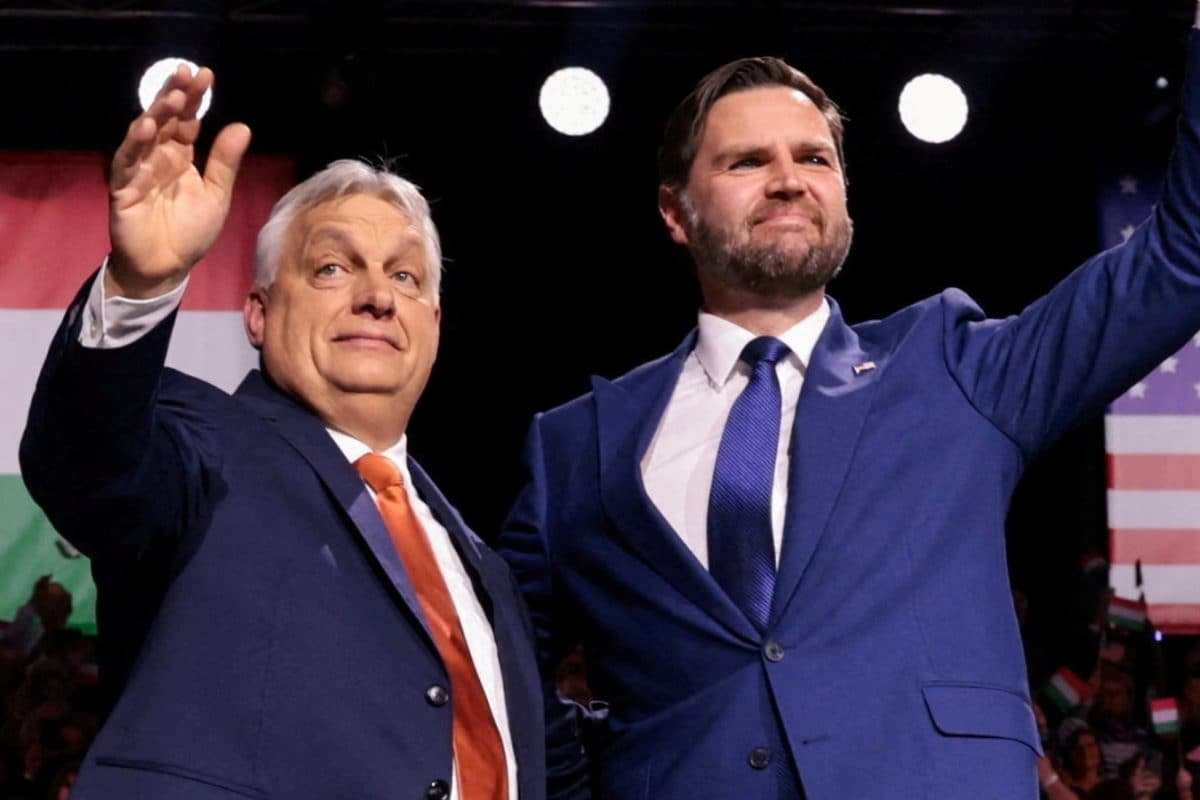
Viktor Orban's 16-Year Rule Ends in Hungary, Signaling Shift for EU and Trump
News 18 • Apr 13, 2026