




Tata Sons Faces Regulatory Challenges with RBI's New Non-Banking Guidelines
Tata Sons' exit door from upper layer NBFC list narrows
 Mint
Mint
Image: Mint
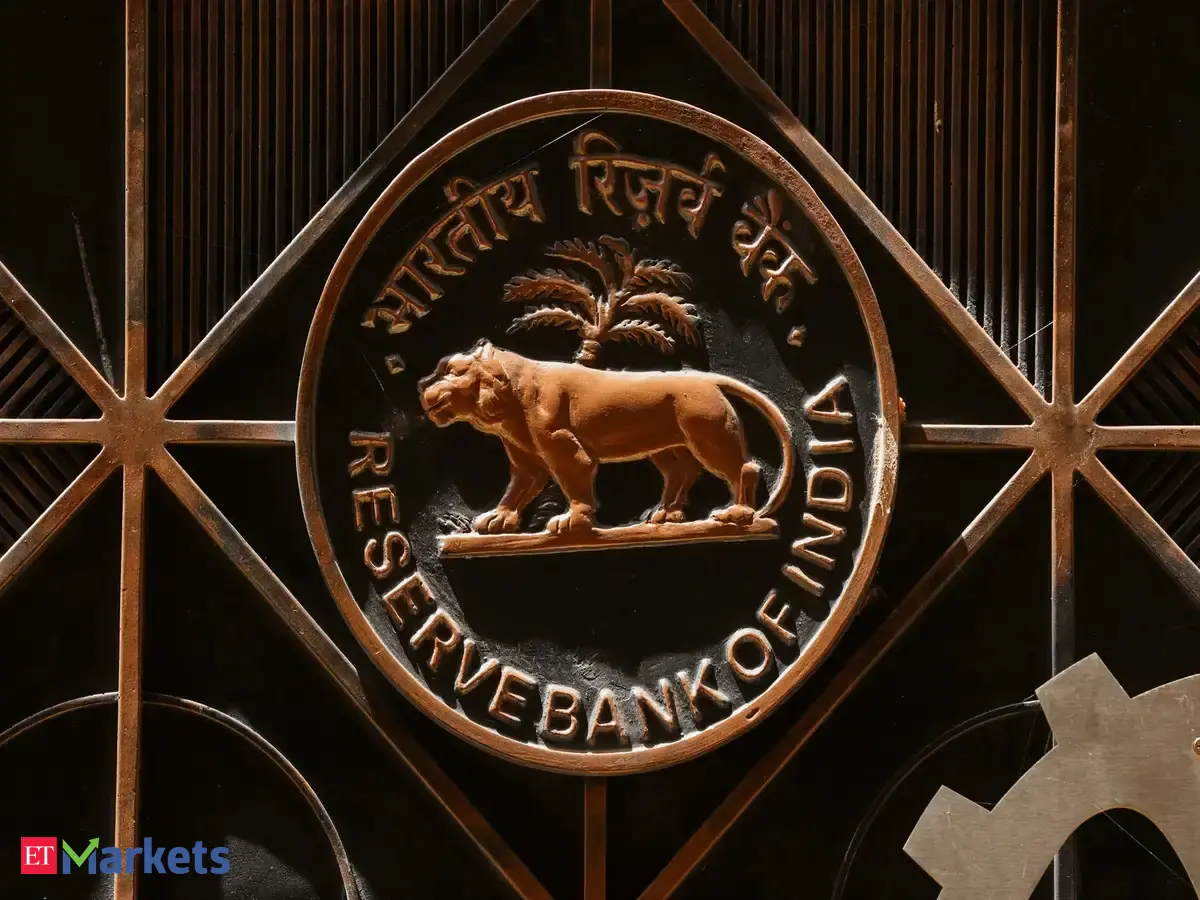
The Reserve Bank of India's new proposal to classify non-banking financial companies (NBFCs) with assets over ₹1 trillion could keep Tata Sons under stricter regulatory oversight. With total assets of ₹1.75 trillion as of March 2025, Tata Sons may need exemptions from listing requirements to maintain its status as a closely-held group.
- 01RBI's new proposal classifies NBFCs with assets over ₹1 trillion in the upper layer.
- 02Tata Sons has total assets of ₹1.75 trillion and has been classified as an upper layer NBFC since 2022.
- 03The company may seek exemptions from listing requirements due to its closely-held structure.
- 04Tata Sons aims to deregister as a core investment company to avoid tighter regulations.
- 05RBI has discretion to exempt companies from upper layer regulations on a case-by-case basis.
Advertisement
In-Article Ad
The Reserve Bank of India (RBI) has proposed new guidelines that classify non-banking financial companies (NBFCs) with assets exceeding ₹1 trillion (approximately $12 billion USD) into an upper regulatory layer. This move could significantly impact Tata Sons, which reported total assets of ₹1.75 trillion as of March 2025 and has been categorized as an upper layer NBFC since the initial list was released in September 2022. The new draft circular, released on April 10, reduces RBI's discretion in determining which companies belong to this upper layer, potentially leaving Tata Sons with limited options unless it receives exemptions. The company has expressed intentions to deregister as a core investment company (CIC) to sidestep the listing requirements and tighter oversight that accompany this classification. The RBI has the authority to grant exemptions on a case-by-case basis, which could be crucial for Tata Sons' operational flexibility. Industry experts note that while Tata Sons has made structural changes to its liabilities, including giving up access to public funds, it remains under the upper layer classification unless specifically exempted by the RBI.
Advertisement
In-Article Ad
If Tata Sons remains classified as an upper layer NBFC, it may face stricter regulations that could affect its investment strategies and operational decisions.
Advertisement
In-Article Ad
Reader Poll
Do you think RBI should grant exemptions to Tata Sons from upper layer NBFC regulations?
Connecting to poll...
More about Reserve Bank of India
Foreign Banks Adapt Strategies Following RBI's Limits on Rupee Speculation
The Economic Times • Apr 13, 2026

Potential Oil Shock Threatens India's Stock Market Recovery
The Economic Times • Apr 13, 2026

RBI's Proposed Changes Could Elevate State-Owned NBFCs to Upper-Layer Classification
The Economic Times • Apr 13, 2026
Read the original article
Visit the source for the complete story.