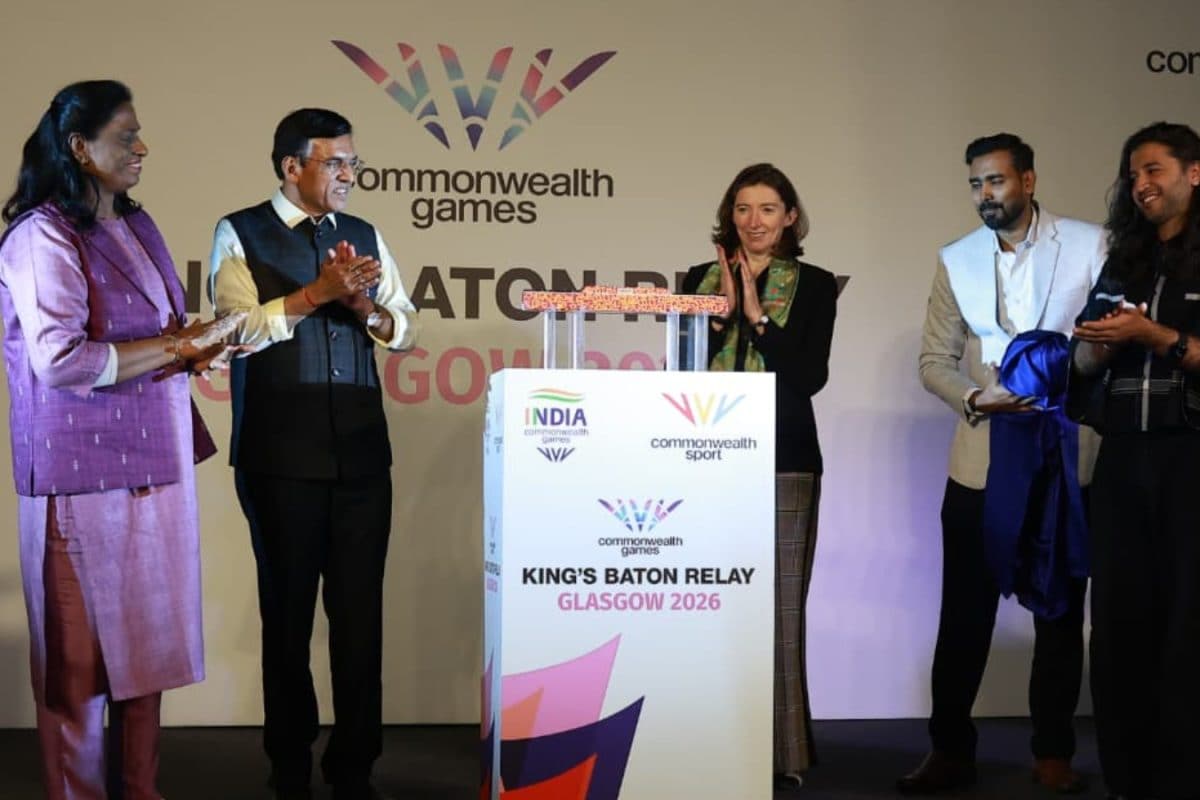

P T Usha: Women Must Lead India’s Future for True Democracy
P T Usha writes | From the Olympics to Parliament: Women must lead India’s future
 The Indian Express
Image: The Indian Express
Context
The Nari Shakti Vandan Adhiniyam, or the 128th Amendment Bill, aims to reserve one-third of seats in India's Lok Sabha and State Assemblies for women. This legislation is seen as a necessary step towards achieving gender equality in political representation.
What The Author Says
The author argues that women's representation in India's political landscape is crucial for effective governance and societal progress.
Key Arguments
📗 Facts
- Women currently hold about 15 percent of seats in the Lok Sabha, significantly below the global average.
- The McKinsey Global Institute estimates that gender equality could contribute $700 billion to India's GDP.
- The 73rd Constitutional Amendment introduced reservations for women in local governance, leading to improved access to essential services.
📕 Opinions
- Women’s representation is essential for effective governance and societal progress.
- The author believes that legislative representation for women will not lower standards but will widen opportunities.
Counterpoints
Merit-based selection should take precedence over reservations.
Critics argue that reservations may lead to less qualified candidates being elected, potentially undermining governance quality.
Cultural barriers may hinder women's effective participation.
Even with reservations, societal attitudes towards women in leadership could limit their effectiveness and acceptance in political roles.
Focus on economic empowerment over political representation.
Some believe that addressing economic barriers for women should take priority, as financial independence can lead to greater political participation.
Bias Assessment
The author's perspective emphasizes the necessity of women's representation, potentially overlooking challenges in implementation.
Why This Matters
The passage of the Nari Shakti Vandan Adhiniyam is timely as it addresses the longstanding issue of women's underrepresentation in Indian politics, which impacts governance and societal outcomes.
🤔 Think About
- •How can we ensure that reserved seats lead to effective governance?
- •What measures can be taken to change societal attitudes towards women in leadership?
- •Could economic empowerment initiatives be more effective than political reservations?
- •How do we balance meritocracy with the need for representation?
Opens original article on The Indian Express
Advertisement
In-Article Ad
Reader Poll
Should India prioritize women's representation in Parliament?
Connecting to poll...