

Examining CBSE's AI Curriculum: Ambitious Yet Ambiguous
CBSE’s AI curriculum — lofty goals, little clarity
 The Indian Express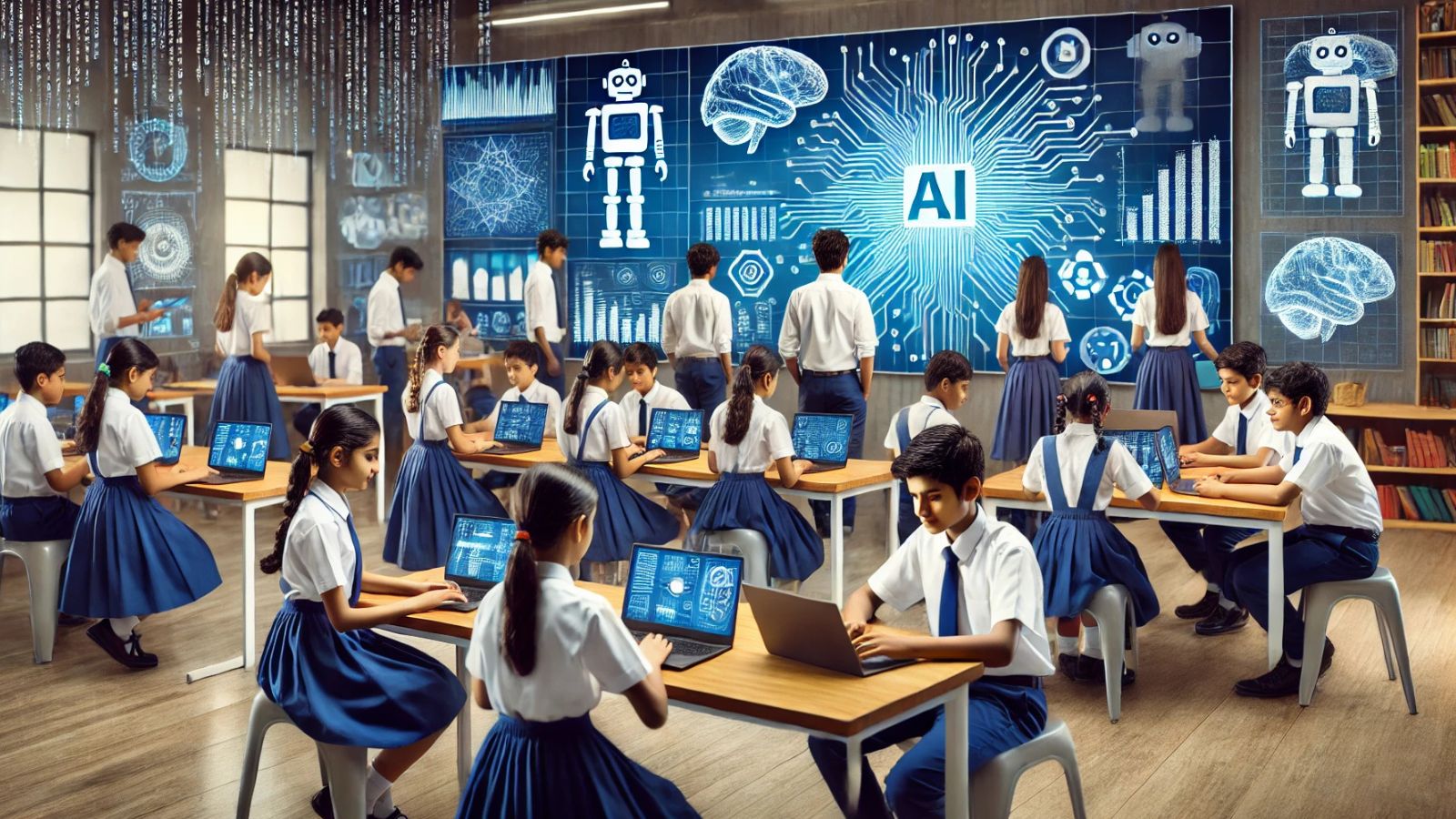
Image: The Indian Express
Context
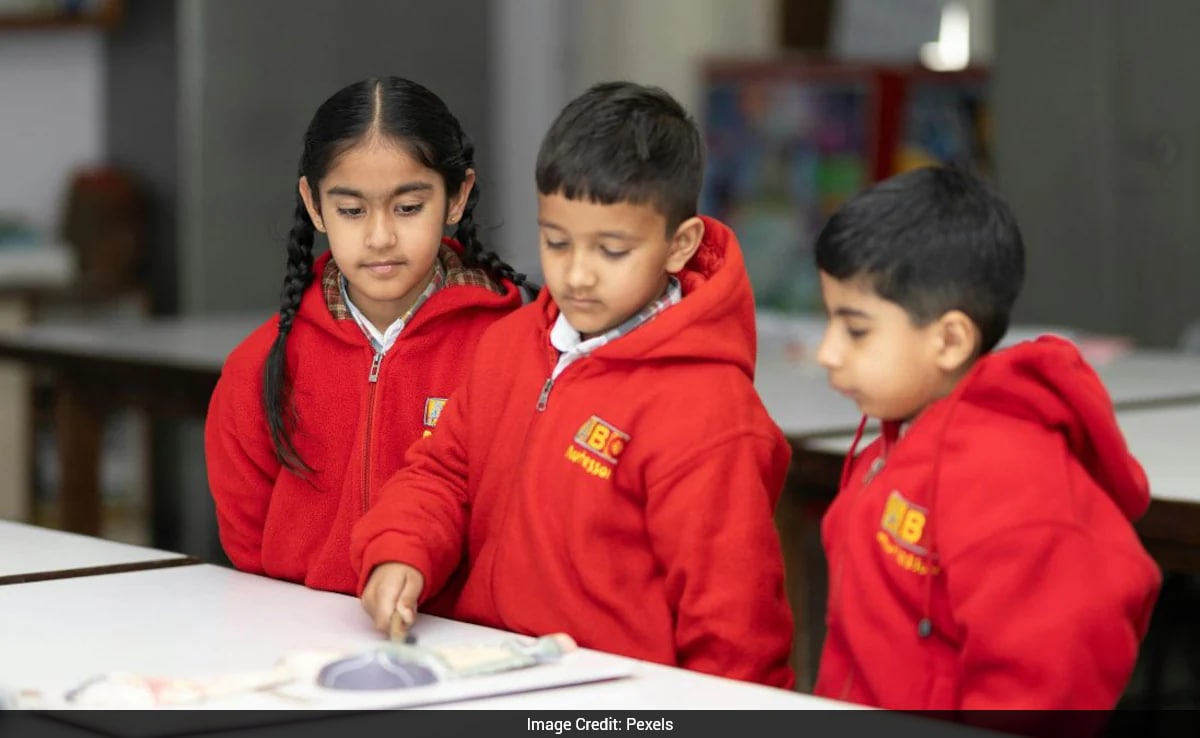
The Central Board of Secondary Education (CBSE) in India has introduced a new curriculum for Computational Thinking (CT) and Artificial Intelligence (AI) for students in classes III to VIII. This curriculum aims to equip students with essential skills in logical thinking, problem-solving, and an understanding of AI's role in daily life.
What The Author Says
The author argues that while CBSE's AI curriculum aims high, it lacks clarity and practical relevance for young learners.
Key Arguments
📗 Facts
- The CBSE's new curriculum for AI is set to be implemented in the 2026-27 academic session.
- The curriculum aims to develop skills in computational thinking and AI for students in classes III to VIII.
- Learning outcomes for Class VI include differentiating between machine intelligence and human intelligence.
📕 Opinions
- The curriculum's ambitious goals may not be suitable for the cognitive levels of young students.
- There is a significant disconnect between computational thinking and AI literacy in the proposed curriculum.
Counterpoints
The curriculum could foster early interest in technology.
Introducing AI concepts at a young age may inspire students to pursue careers in technology and innovation.
Curriculum can be adapted as educators gain experience.
As teachers become more familiar with AI concepts, they can modify their teaching methods to better suit students' understanding.
Potential for interdisciplinary learning.
Integrating AI with subjects like Mathematics and Science could enhance critical thinking and problem-solving skills.
Bias Assessment
The author's perspective highlights significant concerns about the curriculum's clarity and applicability, potentially overlooking its innovative intentions.
Why This Matters
The implementation of this curriculum is set for the 2026-27 academic session, making it timely as schools increasingly integrate technology into education. Concerns about children's safety and critical thinking in relation to AI tools have heightened the need for effective AI literacy.
🤔 Think About
- •How can educators effectively teach complex AI concepts to young children?
- •What measures can be taken to bridge the digital divide in education?
- •Could the curriculum be restructured to better align with students' cognitive abilities?
- •What role should parents play in supporting their children's understanding of AI?
Opens original article on The Indian Express
Advertisement
In-Article Ad
Reader Poll
Is the CBSE's AI curriculum appropriate for young learners?
Connecting to poll...