
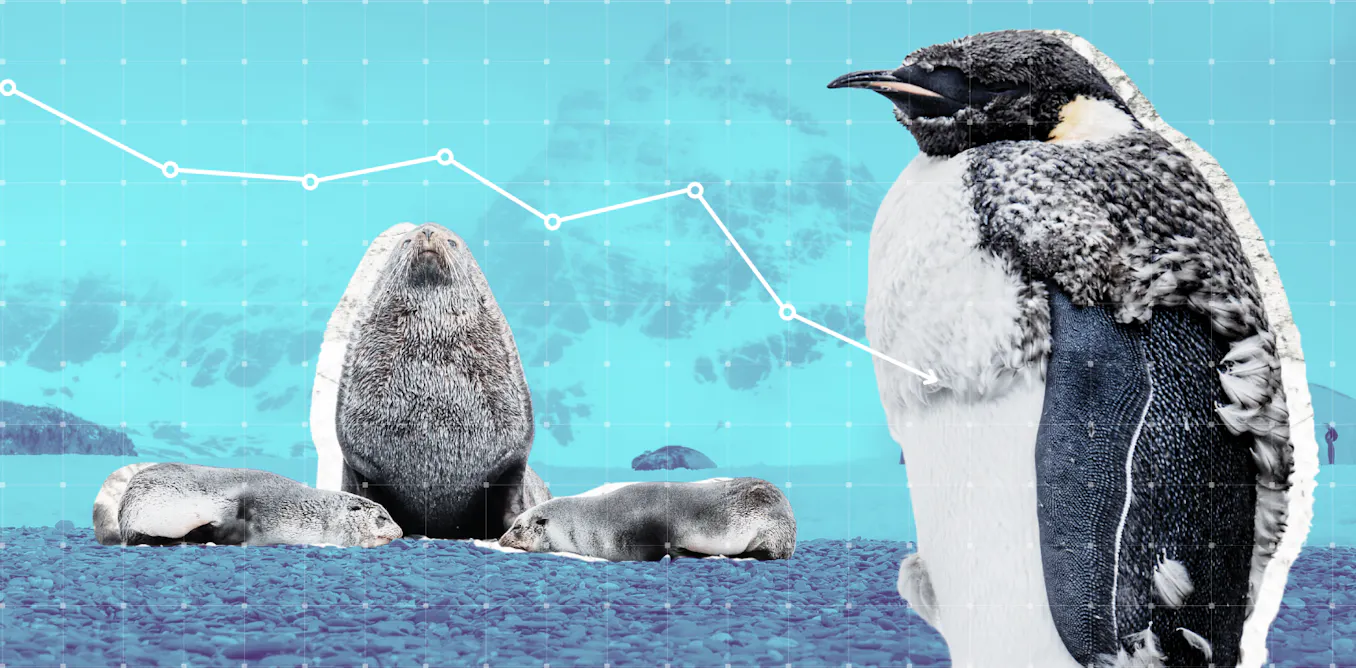



Exploring the Dangers of Technological Solutions to Climate Change
Searching for a ‘technofix’ to climate change has many dangers. Could radical humility save the planet?
 theconversation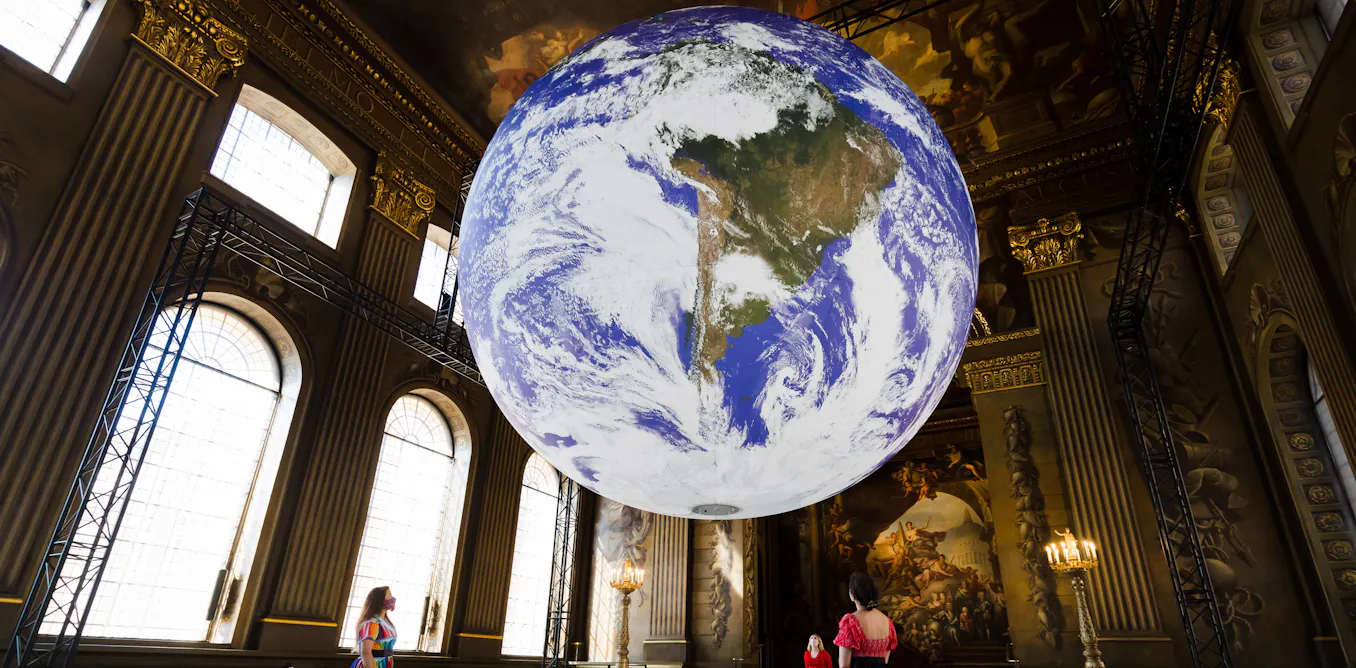
Image: theconversation
Richard King's book, *Brave New Wild*, critiques the reliance on technological fixes for climate change, arguing that such approaches can lead to unforeseen environmental disasters. He advocates for a shift towards 'ecohumanism,' emphasizing a responsible relationship with nature and the importance of radical humility in addressing ecological challenges.
- 01Technological solutions, or 'technofixes', can pose significant risks to the environment.
- 02King critiques the Anthropocene narrative that places humanity at the center of environmental solutions.
- 03He proposes 'ecohumanism' as a responsible alternative to exploitative environmental practices.
- 04Aesthetic appreciation of nature can inspire humility and a deeper understanding of our ecological responsibilities.
- 05Decentralizing control and fostering community engagement are essential for sustainable environmental practices.
Advertisement
In-Article Ad
In *Brave New Wild: Can Technology Really Save the Planet?*, Richard King critiques the ideology of 'technofixes' in addressing climate change, highlighting the moral and environmental dangers they pose. He argues that reliance on technological solutions, such as geoengineering and nanotechnology, could lead to catastrophic consequences, including the potential for self-replicating nanomachines to cause widespread ecological damage. King emphasizes that the Anthropocene narrative, which positions humanity as the central agent of change, fosters a dangerous mindset that exploits nature for human ends. Instead, he advocates for 'ecohumanism', a perspective that recognizes the interconnectedness of humans and nature, urging a shift towards responsible stewardship of the environment. King calls for a more holistic approach to technological solutions, encouraging individuals and communities to engage with nature in a way that prioritizes care and respect over control. He suggests that fostering a sense of wonder and humility towards nature can inspire a more sustainable relationship with the planet, moving away from attempts to 'fix' it and towards a mindset of caring for it as a source of infinite possibility.
Advertisement
In-Article Ad
King's ideas encourage individuals and communities to rethink their relationship with nature, promoting sustainable practices that could lead to healthier ecosystems.
Advertisement
In-Article Ad
Reader Poll
Do you believe technological solutions can effectively address climate change?
Connecting to poll...
Read the original article
Visit the source for the complete story.