


Treasury Yields Rise Amid Inflation Concerns Linked to US-Iran Conflict
Treasuries Fall as Inflation Data Erode Fed Rate-Cut Wager
 Mint
Mint
Image: Mint
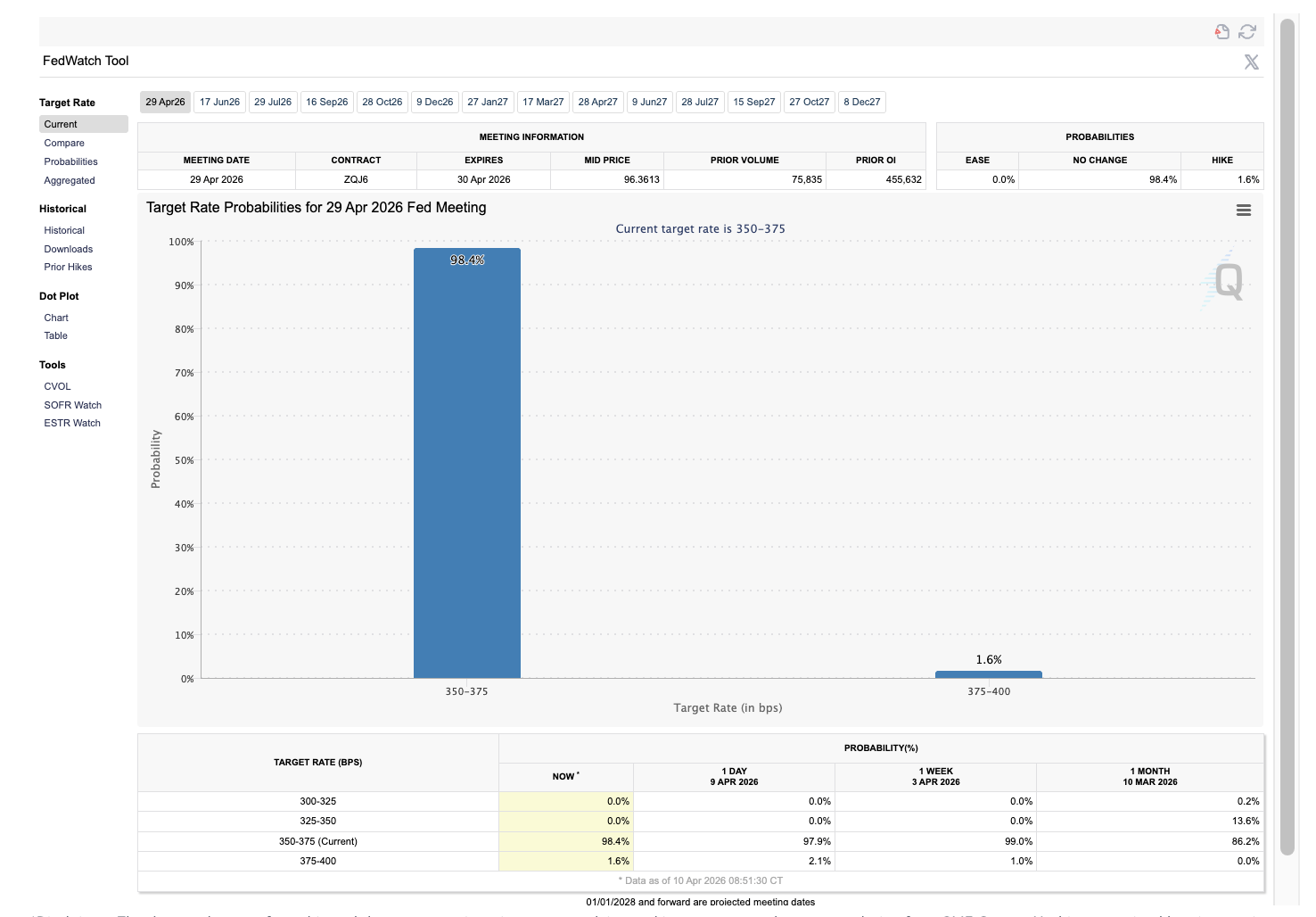
Treasury yields increased as inflation data for March revealed a 0.9% rise in consumer prices, the highest in nearly four years, influenced by the ongoing US-Iran conflict. This has diminished expectations for a Federal Reserve interest rate cut in 2023, with current predictions showing less than a 25% chance of a reduction.
- 01Consumer prices rose 0.9% in March, the highest increase in nearly four years.
- 02Inflation pressures are linked to the US-Iran conflict, particularly affecting oil supply.
- 03Expectations for a Federal Reserve rate cut this year have decreased to below 25%.
- 04Consumer sentiment has dropped to a record low, indicating potential economic growth risks.
- 05The US two-year Treasury yield rose to 3.80%, reflecting market volatility.
Advertisement
In-Article Ad
Treasury yields have risen due to inflation data released for March, showing a 0.9% increase in consumer prices, the highest in nearly four years. This surge is attributed to the ongoing US-Iran conflict, which has disrupted oil supplies and driven prices up. The market's expectations for a Federal Reserve interest rate cut this year have diminished, now pricing in less than a 25% chance of a reduction. The consumer price index (CPI) rose 3.3% year-over-year, reflecting significant inflationary pressures, particularly in energy costs. Meanwhile, consumer sentiment has plummeted to a record low, highlighting concerns about the impact of rising prices on economic growth. The US two-year Treasury yield has fluctuated, recently reaching 3.80%, indicating increased volatility in the bond market as traders react to inflation expectations and potential Fed policy changes. Analysts suggest that the uncertainty surrounding the geopolitical situation warrants caution among investors, particularly in longer-term bonds.
Advertisement
In-Article Ad
Rising inflation could lead to higher costs for consumers, particularly in energy, which may affect household budgets and spending power.
Advertisement
In-Article Ad
Reader Poll
How do you feel about the current inflation trends affecting the economy?
Connecting to poll...
More about Federal Reserve

US Officials Alert Bank CEOs to Cybersecurity Threats from Anthropic's AI Model
Business Standard • Apr 10, 2026
Federal Reserve Likely to Maintain Interest Rates Amid Stable Economic Outlook
Binance • Apr 10, 2026

US Consumer Prices Surge Amid Iran Conflict, Raising Inflation Concerns
The Economic Times • Apr 10, 2026
Read the original article
Visit the source for the complete story.