

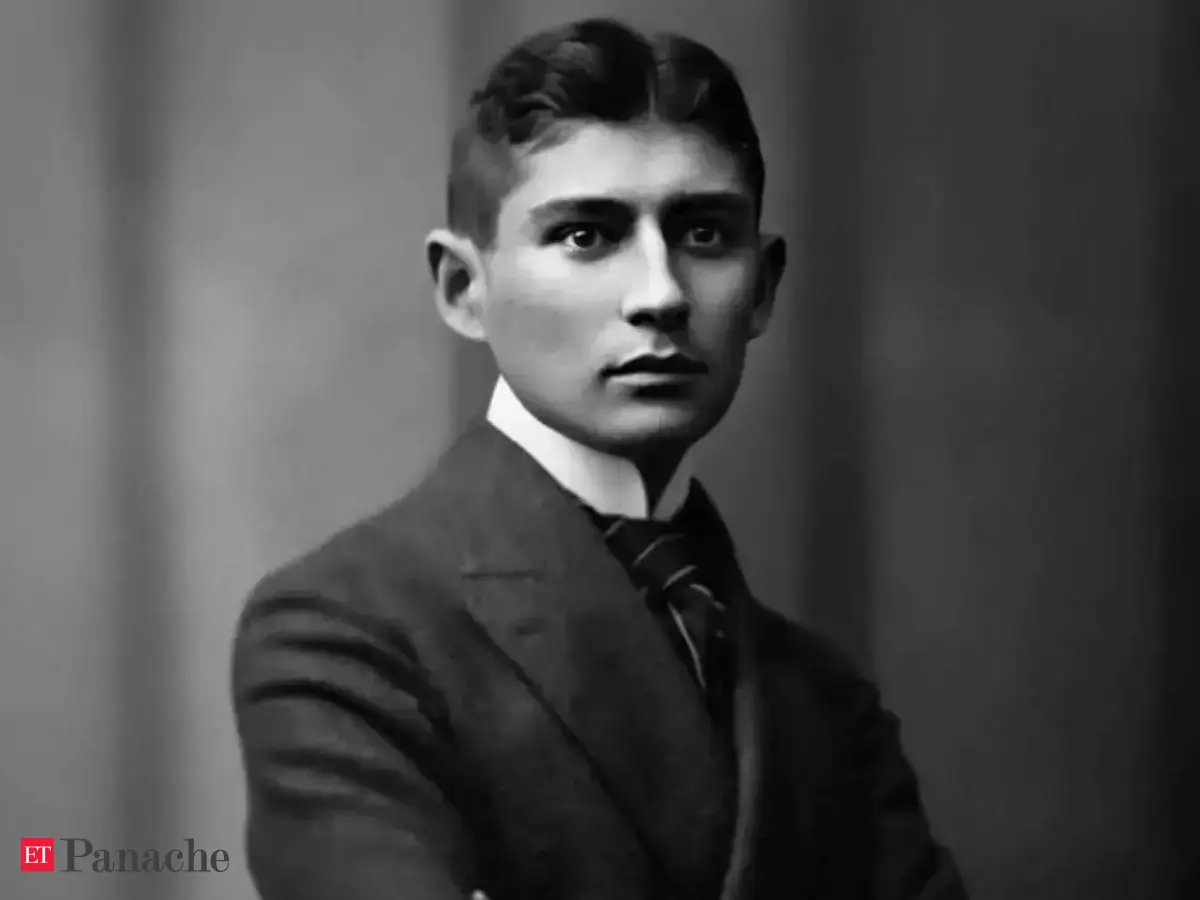


Franz Kafka's Insightful Quote on Reality and Happiness
Quote of the day by Franz Kafka: 'Reality is too heavy for most people to carry. So they borrow illusions, soft dreams, sweet lies, and call it happiness' - A cold truth of life explained by The Metamorphosis writer
 The Economic Times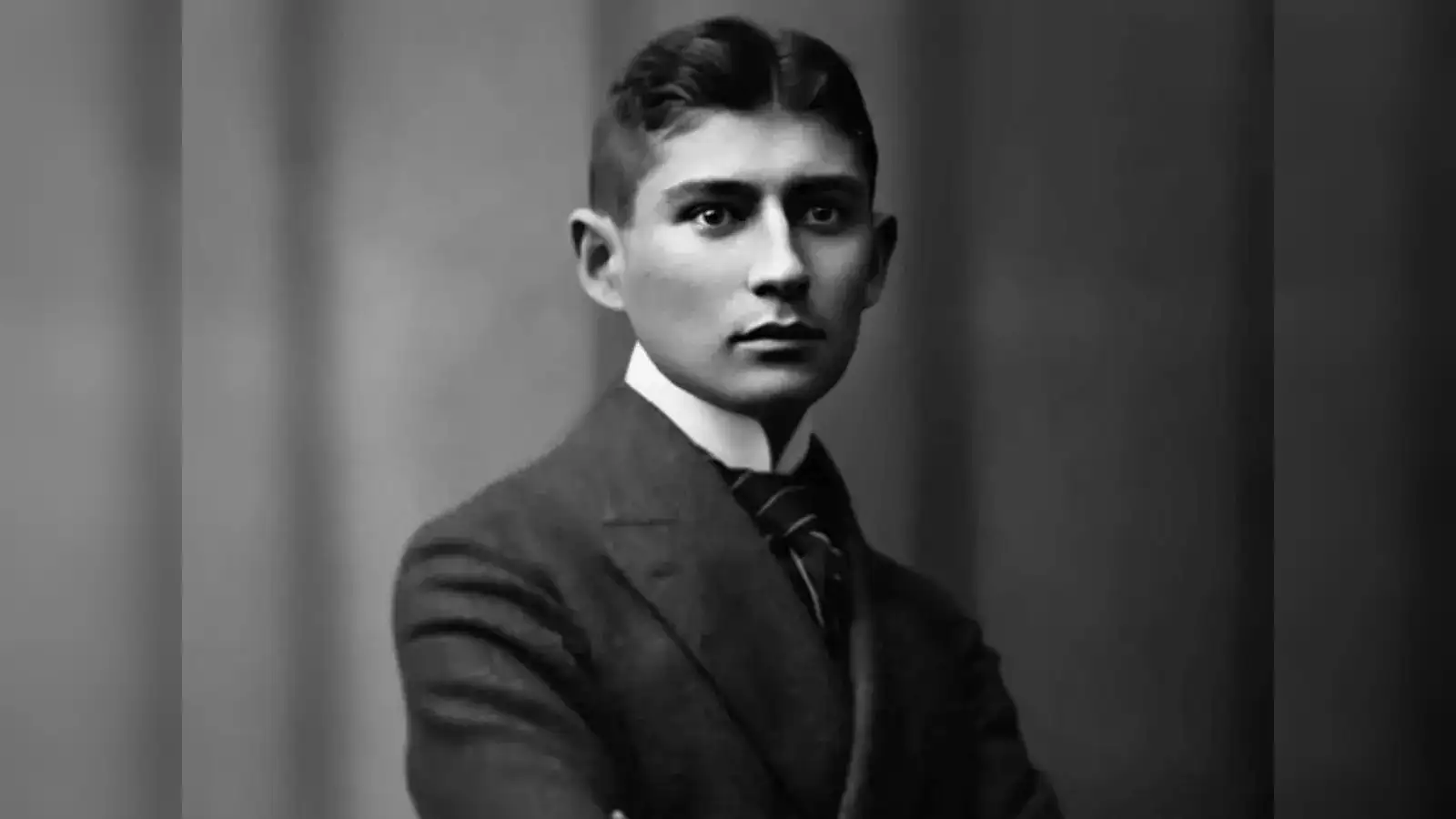
Image: The Economic Times
Franz Kafka, a pivotal 20th-century writer, reflects on the burdens of reality in his quote: 'Reality is too heavy for most people to carry. So they borrow illusions, soft dreams, sweet lies, and call it happiness.' This statement highlights the human tendency to escape harsh truths through comforting illusions, a theme prevalent in Kafka's works.
- 01Kafka's quote addresses the struggle with reality and the tendency to seek comfort in illusions.
- 02His writing often explores themes of isolation, fear, and the complexities of existence.
- 03Kafka's complex relationship with his father influenced his literary themes.
- 04The term 'Kafkaesque' describes situations that are both confusing and unsettling, reflecting his narrative style.
- 05Kafka's influence continues to resonate with readers and writers across cultures, emphasizing universal emotions.
Advertisement
In-Article Ad
Franz Kafka, renowned for his exploration of existential themes, offers a poignant reflection on the nature of reality and happiness in his quote: 'Reality is too heavy for most people to carry. So they borrow illusions, soft dreams, sweet lies, and call it happiness.' This statement encapsulates the human inclination to escape the burdens of life through comforting illusions. Kafka's works, including 'The Trial' and 'The Metamorphosis,' often depict characters grappling with overwhelming forces and a sense of disconnection. Born in 1883 in Prague, Kafka's difficult relationship with his father influenced his writing, leading to themes of authority and isolation. Despite his literary significance today, Kafka viewed himself as an ordinary individual, working a mundane job in insurance while writing at night. His friend Max Brod's decision to publish Kafka's manuscripts after his death ensured that his profound insights reached the world. The quote reflects Kafka's recurring themes of illusion versus reality, illustrating how people often settle for softer versions of truth in their pursuit of happiness. Kafka's legacy endures, inspiring writers and resonating with readers globally, as his exploration of fear, confusion, and the search for meaning transcends cultural boundaries.
Advertisement
In-Article Ad
Advertisement
In-Article Ad
Reader Poll
Do you believe that people often rely on illusions to find happiness?
Connecting to poll...
Read the original article
Visit the source for the complete story.