


Nepal's Rastriya Swatantra Party Begins New Era Amid Challenges
Nepal’s new dawn: RSP’s mandate for change
 Hindustan Times
Image: Hindustan Times
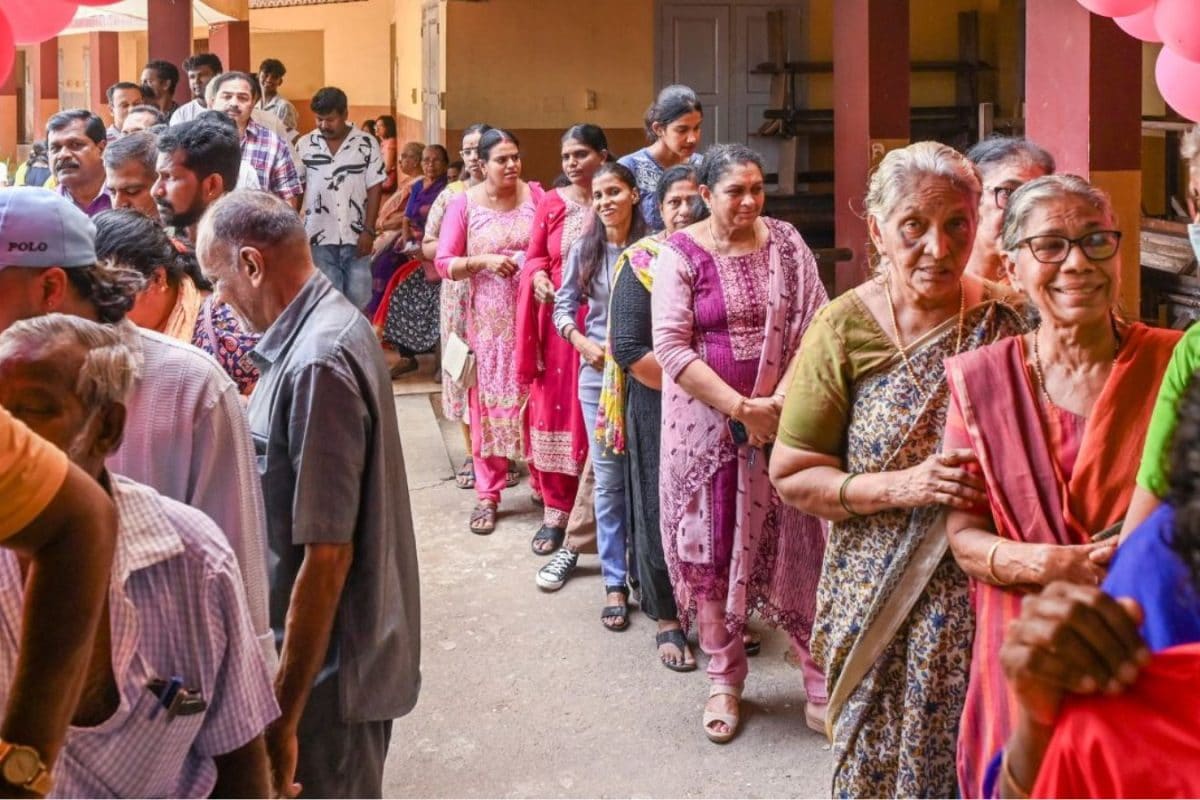
Nepal's newly elected government, led by the Rastriya Swatantra Party (RSP), convened its first parliamentary session on April 2, 2026. The government aims to address significant challenges, including youth unemployment, corruption, and foreign relations, following a youth-led uprising that highlighted public discontent with the previous administration.
- 01The RSP won a significant victory in the March elections, marking a shift in Nepal's political landscape.
- 02Youth unemployment stands at 20.6%, the highest in South and Southeast Asia, prompting the new government to focus on creating domestic job opportunities.
- 03The government plans to investigate the assets of public officials and implement reforms to combat corruption.
- 04Nepal's foreign policy will focus on balancing relations with India and China while addressing the impact of the Gulf crisis on its migrant workers.
- 05The RSP has committed to ambitious economic goals, including achieving a $100 billion economy within five years.
Advertisement
In-Article Ad
On April 2, 2026, Nepal's newly elected government, led by the Rastriya Swatantra Party (RSP), held its first parliamentary session. This election, a response to widespread youth discontent due to corruption and lack of opportunities, marks a significant shift in the nation's political landscape. The RSP aims to tackle pressing issues, including youth unemployment, which currently stands at 20.6%, the highest in South and Southeast Asia. Approximately 1,500 young Nepalis migrate abroad for work each day, highlighting the urgent need for domestic job creation. The government has committed to a series of reforms, including investigating the assets of public officials since 1990 and restructuring bureaucratic processes to ensure accountability. In foreign policy, the RSP seeks to balance relations with India and China while addressing the ongoing Gulf crisis that affects 1.9 million Nepali migrant workers. The government has set ambitious economic goals, including becoming a $100 billion economy within five years and maintaining a sustained GDP growth rate of around 8% annually. As the RSP begins its term, the focus will be on translating electoral momentum into effective governance amid significant challenges.
Advertisement
In-Article Ad
The new government's focus on job creation and anti-corruption measures aims to improve living standards for young Nepalis and reduce migration for employment.
Advertisement
In-Article Ad
Reader Poll
Do you believe the new government will effectively address youth unemployment in Nepal?
Connecting to poll...
Read the original article
Visit the source for the complete story.