




NASA's Artemis II Mission Successfully Returns Astronauts to Earth
Artemis II astronauts return to Earth, capping historic Moon mission
 Channel Newsasia
Image: Channel Newsasia
NASA's Artemis II mission concluded successfully with the safe return of four astronauts to Earth on April 10, 2023. The mission marked the first crewed lunar flyby in over 50 years, testing the Orion capsule's capabilities and paving the way for future lunar exploration.
- 01Artemis II was the first crewed lunar flyby in over 50 years.
- 02The mission set a record for the furthest distance traveled from Earth by humans at 406,771 kilometers (252,756 miles).
- 03The Orion capsule successfully tested its heat shield during re-entry, overcoming previous challenges faced in Artemis I.
- 04Astronaut Victor Glover became the first person of color to fly around the Moon.
- 05The mission is a significant step towards establishing a sustained human presence on the Moon.
Advertisement
In-Article Ad
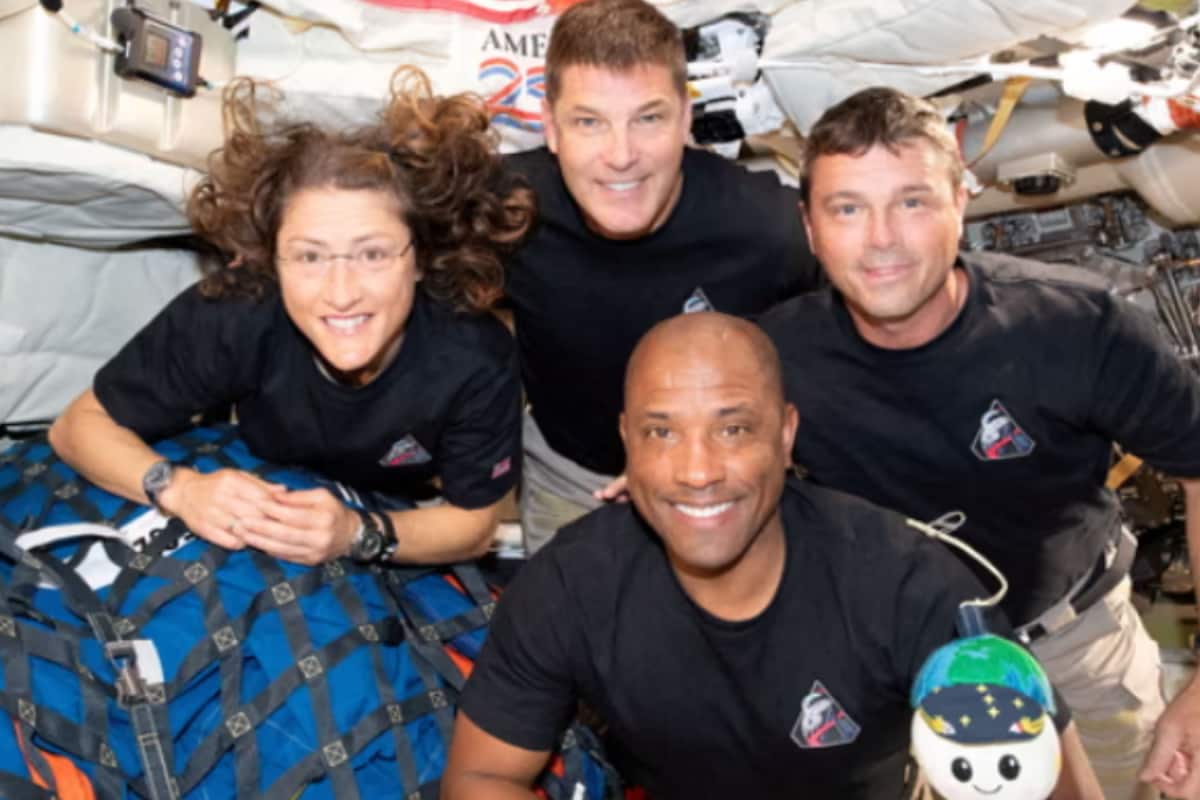
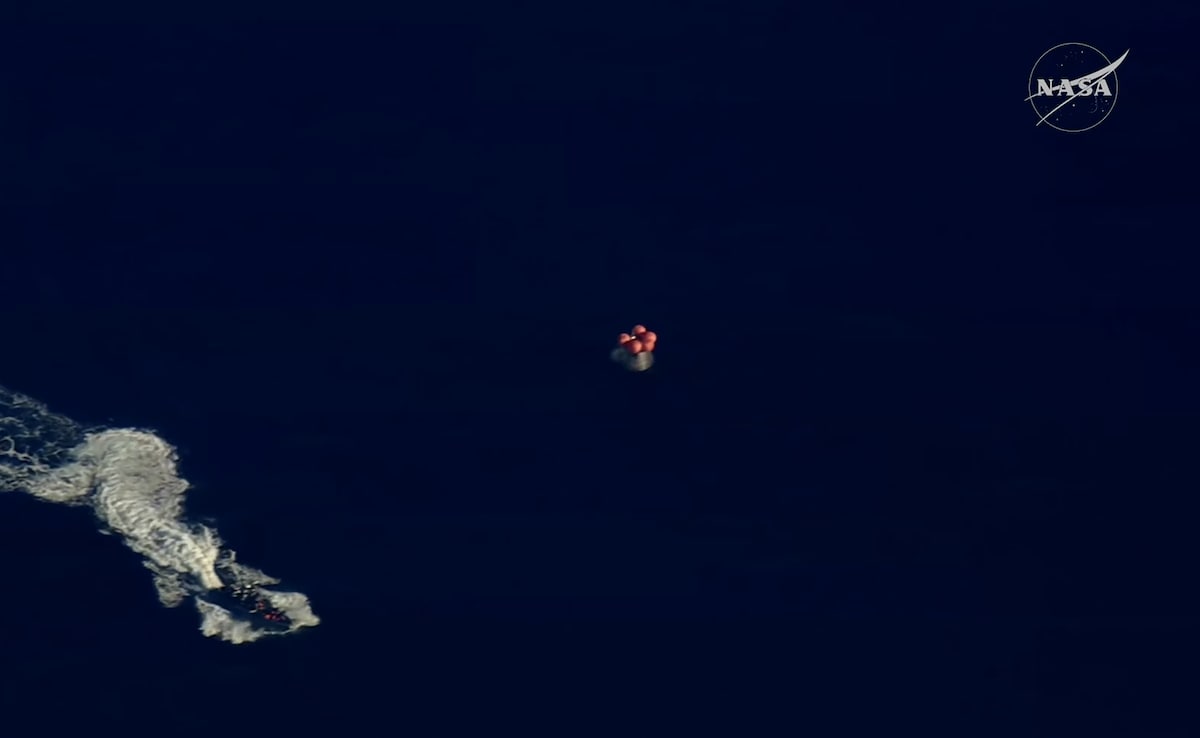
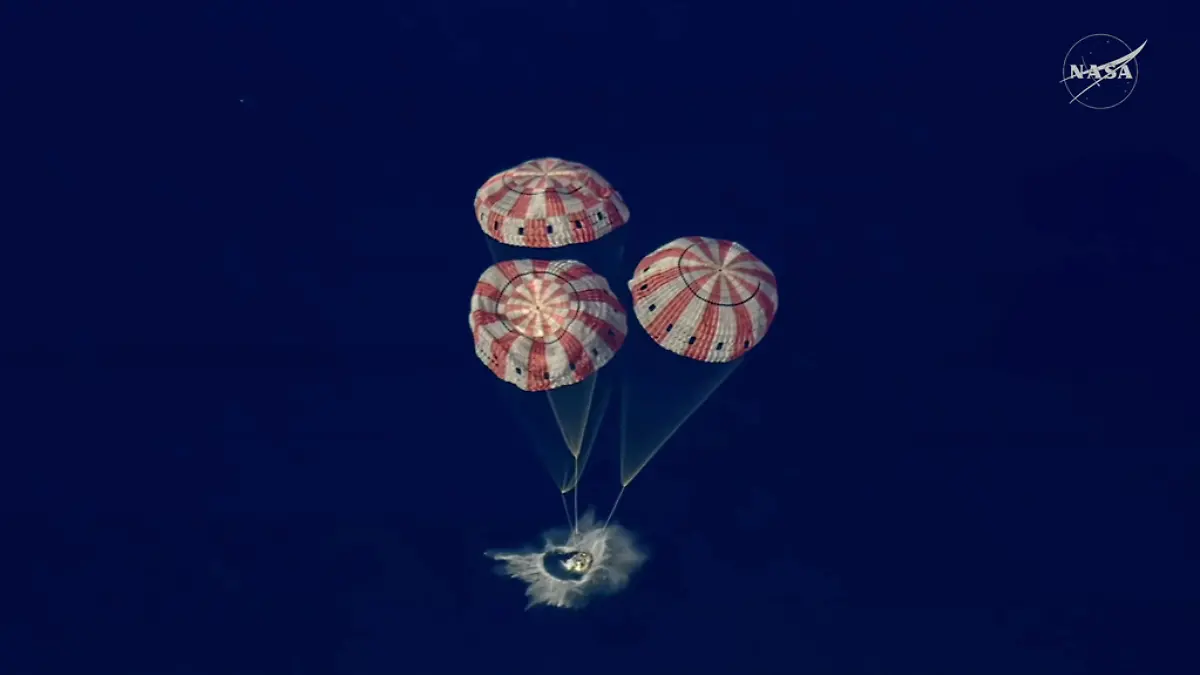
NASA's Artemis II mission successfully returned four astronauts to Earth on April 10, 2023, after a historic 10-day journey that included a lunar flyby, the first of its kind in over 50 years. The crew, consisting of mission commander Reid Wiseman, Christina Koch, Victor Glover, and Jeremy Hansen, splashed down off the coast of California. The mission marked several milestones, including the record for the furthest distance traveled from Earth by humans at 406,771 kilometers (252,756 miles). The Orion capsule's heat shield was tested during re-entry, successfully addressing issues encountered in the previous uncrewed Artemis I mission. This mission is a crucial step towards future lunar landings and establishing a sustained human presence on the Moon, with Glover being the first person of color and Koch the first woman to fly around the Moon. The astronauts are expected to reunite with their families in Houston, Texas this weekend.
Advertisement
In-Article Ad
The successful Artemis II mission enhances public interest and investment in space exploration, potentially leading to technological advancements and educational opportunities in STEM fields.
Advertisement
In-Article Ad
Reader Poll
Do you support increased funding for space exploration programs?
Connecting to poll...
More about NASA
Read the original article
Visit the source for the complete story.