






Potential Ceasefire in West Asia Amid US-Iran Tensions
Roving Periscope: Another TACO leads to potential ceasefire in West Asia—for two weeks
 Revoi
Revoi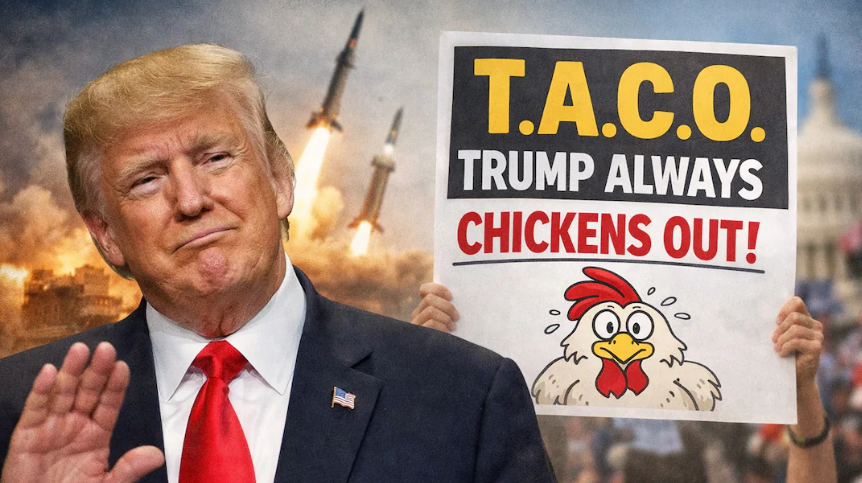
Image: Revoi
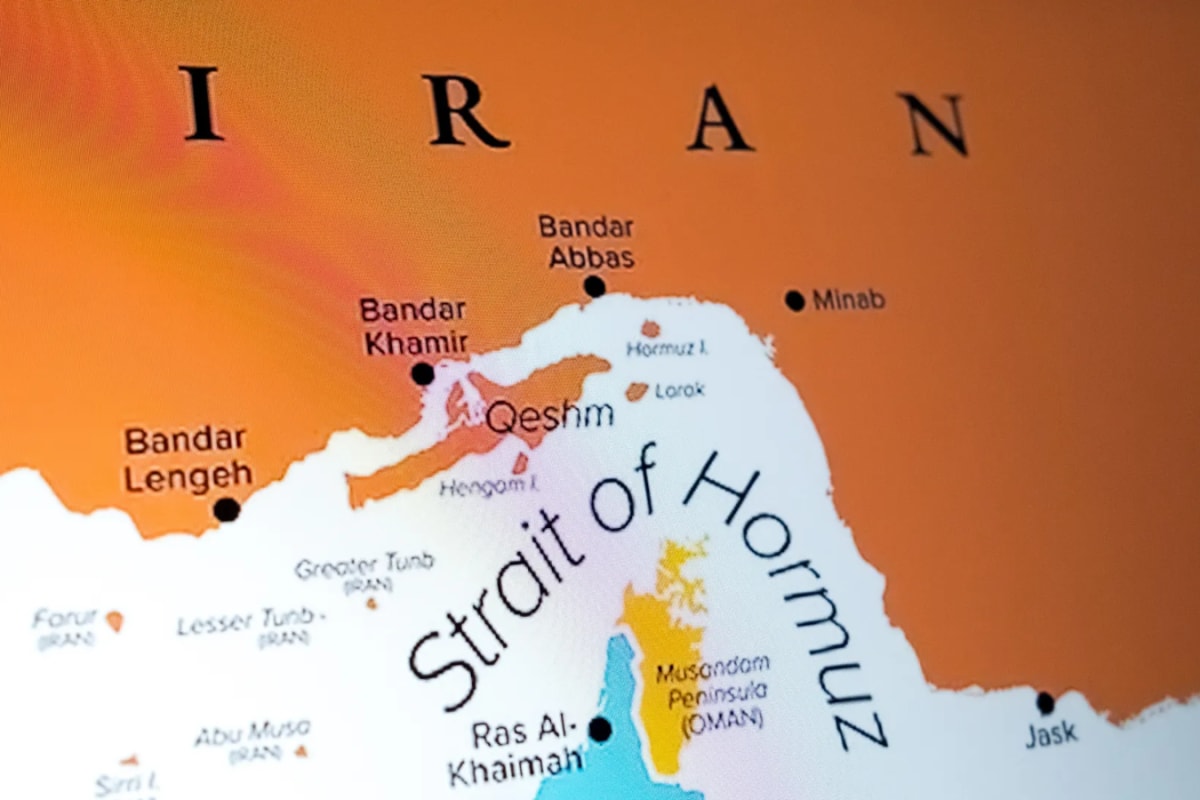
A potential two-week ceasefire has been reached between the US, Iran, and Israel, following US President Donald Trump's de-escalation of threats against Iran. The ceasefire, facilitated by Pakistan, aims to reopen the strategic Strait of Hormuz and advance peace negotiations amidst ongoing regional tensions.
- 01A two-week ceasefire has been proposed between the US, Iran, and Israel.
- 02Iran has agreed to manage the passage through the Strait of Hormuz during this period.
- 03Trump has withdrawn threats of military action, contingent on Iran's compliance.
- 04Concerns remain over Iran's nuclear program and regional military activities.
- 05International criticism has emerged regarding potential violations of civilian safety.
Advertisement
In-Article Ad
In a significant diplomatic development, a potential two-week ceasefire has been brokered among the US, Iran, and Israel, following US President Donald Trump's recent decision to de-escalate military threats against Iran. The ceasefire, which is reportedly facilitated by Pakistan, aims to reopen the Strait of Hormuz, a crucial waterway for global oil shipments. Trump announced he would suspend attacks on Iran, provided Tehran agrees to a complete and safe opening of the Strait. Iran's Foreign Minister Abbas Araghchi confirmed that the passage through the Strait would be managed by Iranian military forces during this period. However, tensions persist, with missile alerts reported across the United Arab Emirates, Israel, and other Gulf nations. Trump noted that Iran has proposed a 10-point peace plan, signaling a potential shift in negotiations that have been strained since the war began on February 28. Despite the ceasefire, concerns remain regarding Iran's nuclear stockpile and the ongoing military activities in the region, as well as international criticism of Trump's previous threats of civilian-targeted strikes, which some officials have labeled as potential war crimes. This ceasefire marks another instance of Trump's pattern of extending deadlines linked to military threats, raising questions about the long-term stability of the region.
Advertisement
In-Article Ad
The ceasefire and reopening of the Strait of Hormuz could stabilize oil prices and improve security in the Gulf region, directly affecting economies reliant on oil trade.
Advertisement
In-Article Ad
Reader Poll
Do you believe the ceasefire will lead to a lasting peace in West Asia?
Connecting to poll...
More about United Nations
Read the original article
Visit the source for the complete story.