




Gold ETFs Evolve: Understanding the Shift from Physical Gold to Derivatives
Are gold ETFs moving away from physical gold? What investors should know
 Business Standard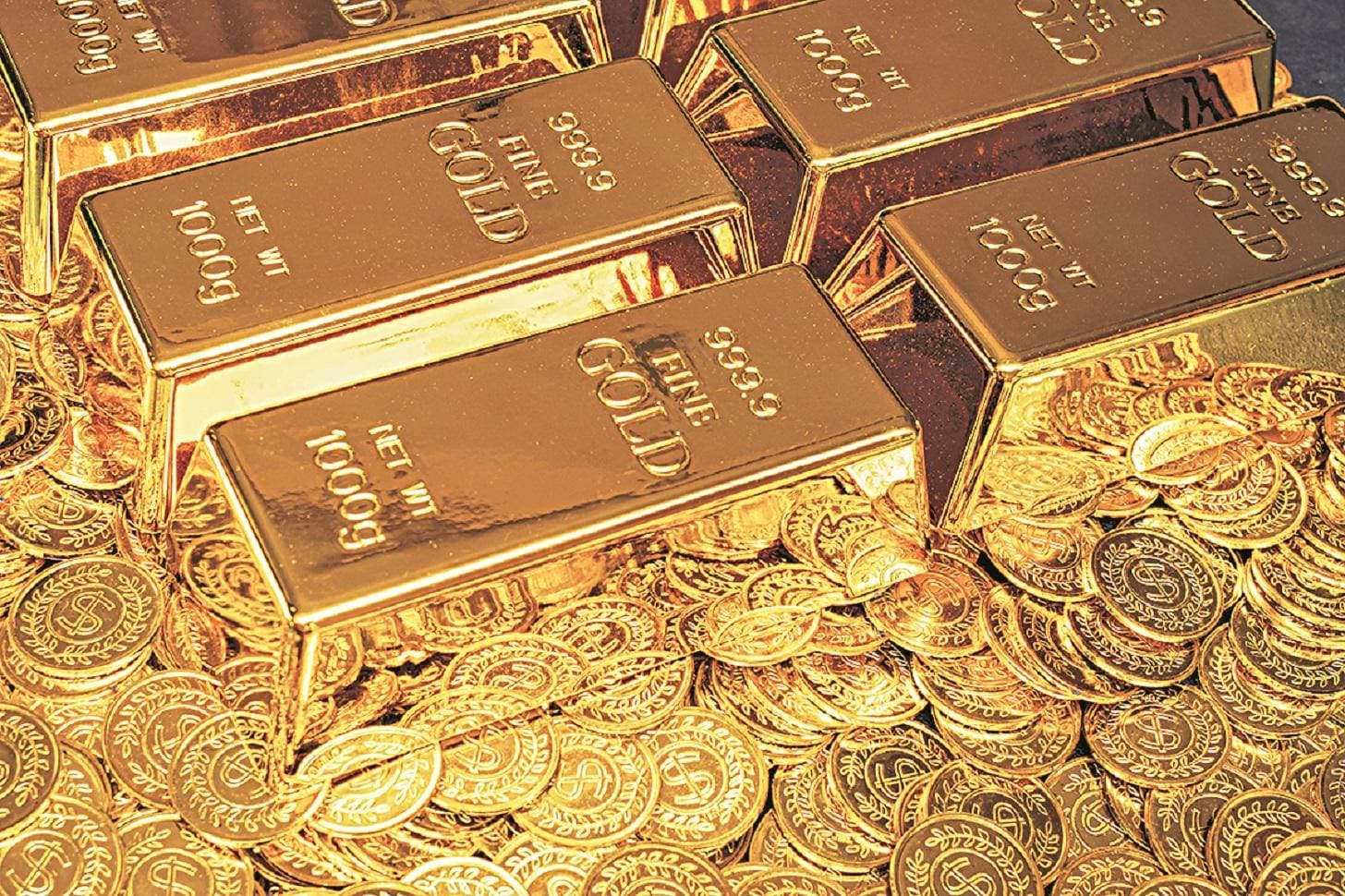
Image: Business Standard
Recent regulatory changes in India allow gold exchange-traded funds (ETFs) to allocate a portion of their portfolios to gold derivatives, like futures, alongside physical gold. This evolution could affect how investors view their holdings, introducing new risks and potential tracking differences in volatile markets.
- 01Gold ETFs can now include derivatives, changing their structure.
- 02At least 95% of ETF assets must still be linked to physical gold.
- 03The use of derivatives aims to improve liquidity and reduce costs.
- 04Investors may see minor tracking differences during market volatility.
- 05Reading scheme documents is increasingly important for investors.
Advertisement
In-Article Ad
Gold exchange-traded funds (ETFs) in India are undergoing a significant structural change due to a recent regulatory shift by the Securities and Exchange Board of India (SEBI). This change allows gold ETFs to allocate a portion of their portfolios to gold derivatives, such as futures contracts, rather than being solely backed by physical gold. Traditionally, these funds were required to maintain a high percentage of physical gold to provide investors with confidence that their investments closely mirrored actual gold prices.
With the new regulations, effective from April 22, 2026, fund managers can now blend physical gold with derivatives, offering greater flexibility in managing their portfolios. This shift, however, introduces nuances that investors should understand. For instance, while gold ETFs will still broadly track gold prices, a small portion of the investment may now be in futures contracts, which carry different risks compared to holding physical gold. These risks include counterparty risk and rollover costs, which can affect returns, especially in volatile markets.
Despite these changes, the core structure of gold ETFs remains intact, as they are still required to keep at least 95% of their assets linked to gold. This means that while derivatives may be used in exceptional situations, such as sudden inflows or when physical gold is hard to procure, the majority of investments will still be in physical gold. Investors are advised to stay informed about their ETF's portfolio composition and consider alternatives if they seek absolute physical backing.
Advertisement
In-Article Ad
Investors in gold ETFs may need to adjust their expectations regarding the composition of their investments, as a portion may now be allocated to derivatives, potentially affecting returns during market fluctuations.
Advertisement
In-Article Ad
Reader Poll
Do you think the inclusion of derivatives in gold ETFs is beneficial for investors?
Connecting to poll...
More about Securities and Exchange Board of India

AMFI Advocates for Intraday Loans to Enhance Mutual Fund Security Purchases as SEBI Delays New Regulations
Mint • Apr 6, 2026

Shift in Gold ETFs: Exploring the Move Towards Futures Contracts
The Economic Times • Apr 6, 2026

Nifty 50 Faces Longest Weekly Decline Since October 2025 Amid Market Shift
Business Standard • Apr 5, 2026
Read the original article
Visit the source for the complete story.