


Understanding the Misconceptions Around 'Super El Niño' in Australia
Why the phrase “Super El Nino” makes Australian climate scientists roll their eyes
 The Conversation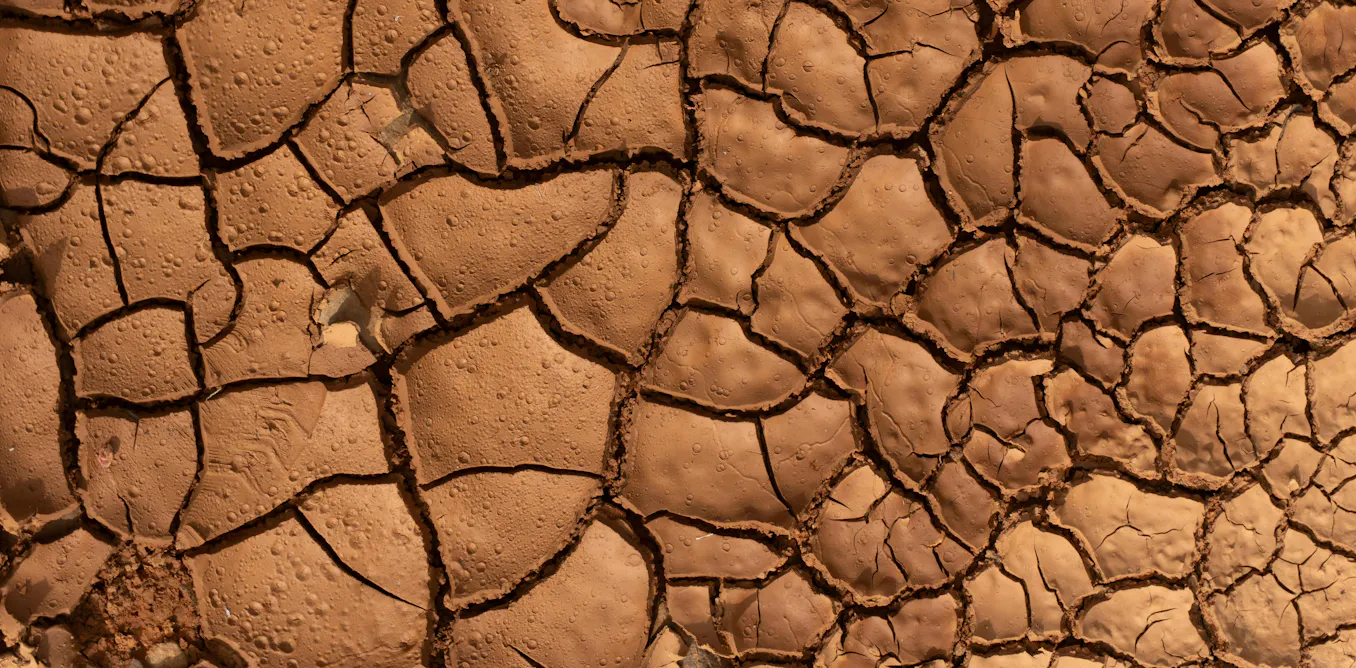
Image: The Conversation
The term 'Super El Niño' generates anxiety among Australians, particularly farmers, but climate scientists argue it lacks accuracy. El Niño is a natural climate pattern affecting weather in Australia, and its strength is often misrepresented. Accurate predictions are crucial, but forecasts made in autumn are typically unreliable.
- 01The term 'Super El Niño' is often sensationalized and does not significantly impact weather predictions in Australia.
- 02El Niño events are defined by ocean temperature changes, but this does not directly correlate with rainfall patterns.
- 03Forecasts made during autumn are less reliable due to the 'Autumn Predictability Barrier'.
- 04The Bureau of Meteorology has introduced a relative Niño index to account for climate change effects.
- 05Current forecasts indicate a potential El Niño, but it is too early for definitive predictions.
Advertisement
In-Article Ad
The phrase 'Super El Niño' tends to alarm farmers and residents in bushfire-prone areas of Australia, yet many climate scientists find it misleading. El Niño, a climate phenomenon characterized by warmer ocean temperatures in the Pacific, influences Australia's weather patterns, particularly rainfall and temperature. However, the strength of El Niño, often measured by the Nino3.4 index, does not always correlate with rainfall changes in eastern Australia. For instance, during the 'strong' El Niño of 1997-98, rainfall remained stable, while the 'weak' El Niño of 2002-03 resulted in significant rainfall deficits. Furthermore, forecasts made in autumn are often unreliable due to what meteorologists call the 'Autumn Predictability Barrier'. The Bureau of Meteorology has introduced a relative Niño index to better account for ongoing climate change. As of April 2026, predictions suggest a strong El Niño might develop, but it is too early to draw conclusions. Scientists advise caution and suggest waiting until late autumn or early winter for more reliable forecasts.
Advertisement
In-Article Ad
Farmers and residents in bushfire-prone areas need to be aware of weather predictions, as El Niño can lead to drought conditions affecting agriculture and water supply.
Advertisement
In-Article Ad
Reader Poll
How much do you trust seasonal weather forecasts?
Connecting to poll...
More about Bureau of Meteorology
Severe Tropical Cyclone Maila Strengthens Ahead of Australian Landfall
The Guardian • Apr 8, 2026

Trump Criticizes Australia for Lack of Support in Iran Conflict; Cyclone Maila Threatens Queensland
The Guardian • Apr 7, 2026
Severe Tropical Cyclone Maila Threatens Queensland After Recent Cyclone Narelle
The Guardian • Apr 6, 2026
Read the original article
Visit the source for the complete story.