



Effective Ways to Remove Limescale from Electric Kettles: Citric Acid and Baking Soda
Neither Vinegar Nor Soap The Simple Trick To Remove Limescale From An Electric Kettle
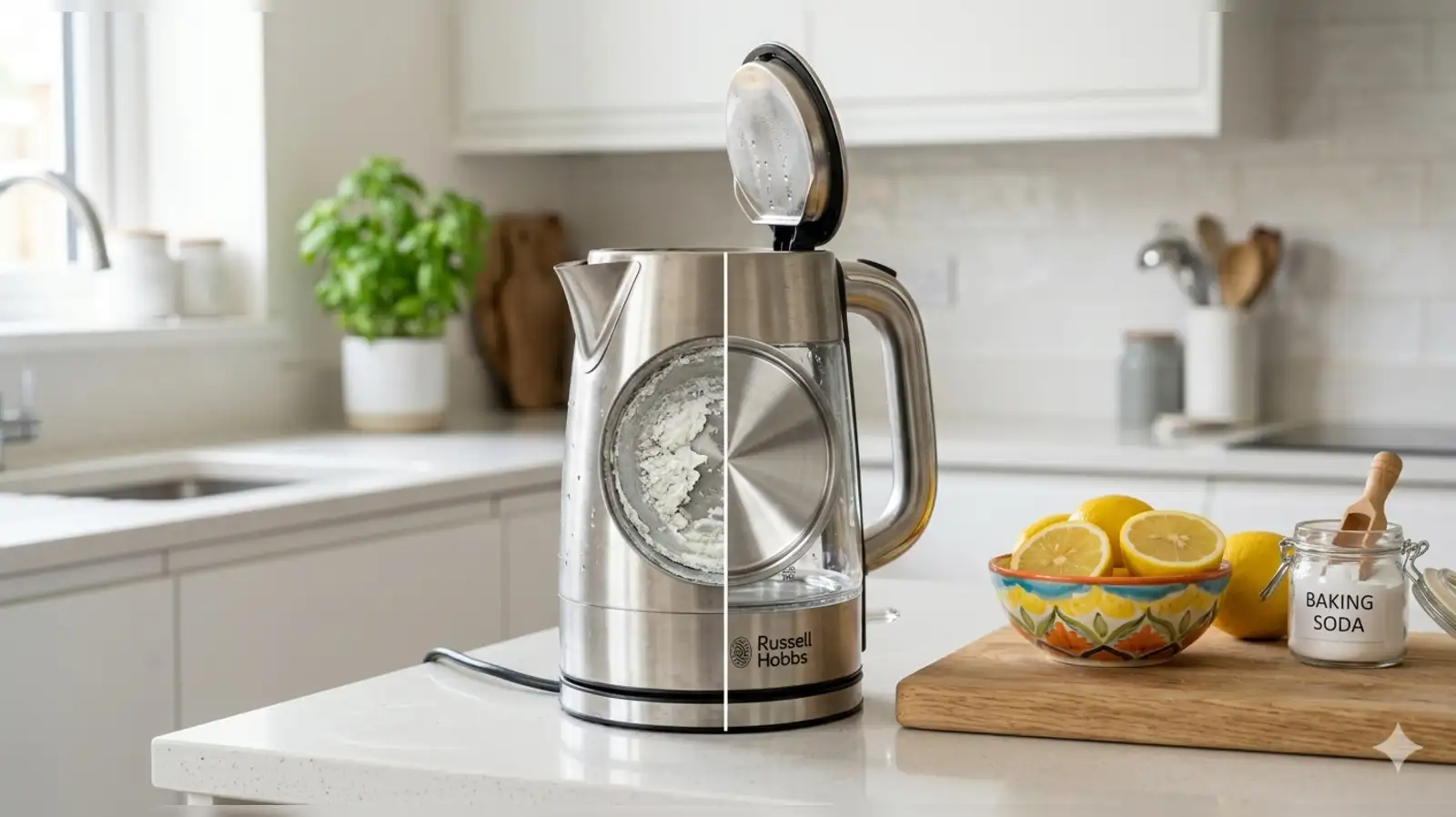
Image: economictimes_indiatimes
Limescale buildup in electric kettles is a common issue caused by hard water. While vinegar has been a popular cleaning solution, recent studies indicate that citric acid is more effective, removing up to 96% of limescale in just 15 minutes. Baking soda is another viable alternative for regular maintenance.
- 01Limescale is caused by hard water and can affect kettle efficiency and longevity.
- 02Citric acid is shown to be more effective than vinegar in removing limescale.
- 03Baking soda is a gentle alternative for light cleaning and maintenance.
- 04Regular descaling is essential to maintain kettle performance.
- 05Preventive measures like water filtration can reduce limescale buildup.
Advertisement
In-Article Ad
Limescale, a chalky deposit formed from hard water, is a common problem in electric kettles. It occurs when minerals like calcium and magnesium precipitate during heating. This buildup can reduce efficiency and alter water taste. Traditionally, vinegar has been used for descaling due to its acetic acid content, but it has drawbacks such as lingering odors and potential slippery surfaces. Recent research from the German Institute for Household & Environment and the UK Water Research Centre highlights citric acid as a superior alternative, effectively dissolving 92% to 96% of limescale in just 15 minutes, compared to vinegar's 25 to 45 minutes for 74% to 81% removal. Citric acid is biodegradable and less toxic, making it environmentally friendly. Baking soda is another recommended option, providing gentle cleaning through its mild alkalinity without unpleasant odors. For optimal results, it is suggested to use 1 teaspoon of citric acid per liter of water, simmering the mixture for effective descaling. Regular maintenance and preventive measures like water filtration can significantly reduce limescale accumulation, ensuring kettles remain efficient and clean.
Advertisement
In-Article Ad
Using citric acid or baking soda can help maintain kettle efficiency, potentially saving energy costs and improving water quality.
Advertisement
In-Article Ad
Reader Poll
What method do you prefer for descaling your kettle?
Connecting to poll...
Read the original article
Visit the source for the complete story.