

US-Iran Talks in Islamabad End Without Agreement: Key Insights
‘Iran chose not to accept our terms’: As Vance leaves Islamabad, key takeaways from his speech
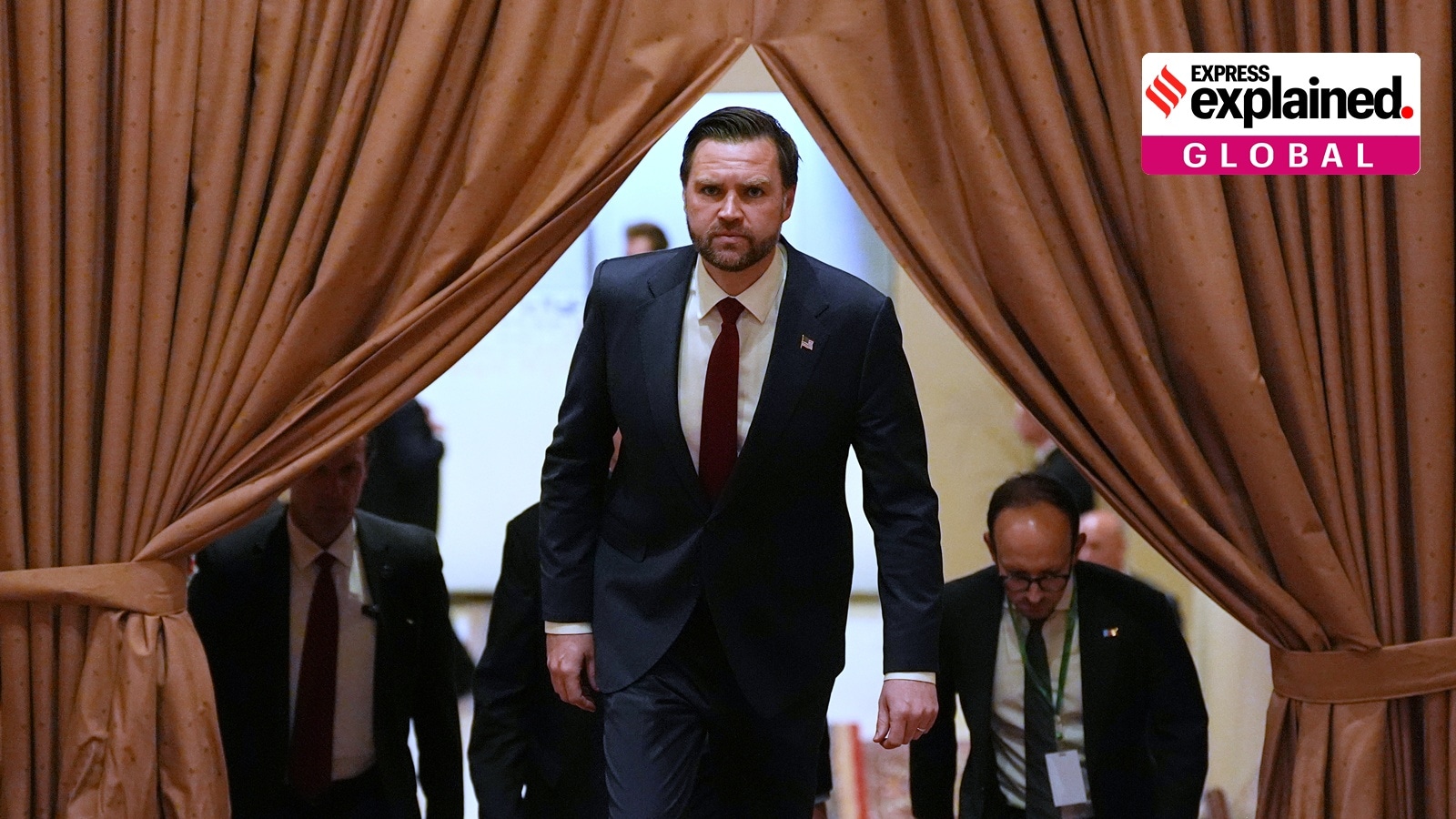
Image: indianexpress
US Vice President JD Vance's diplomatic mission in Islamabad aimed at negotiating with Iran concluded without an agreement after 21 hours of discussions. This marked the first high-level contact between the US and Iran since the 1979 Islamic Revolution, highlighting ongoing tensions and critical sticking points related to nuclear issues and economic sanctions.
- 01First high-level US-Iran talks since 1979 Islamic Revolution.
- 02Key sticking points include the reopening of the Strait of Hormuz and Iran's nuclear program.
- 03Iran demands the release of $27 billion in frozen assets for reconstruction.
- 04Despite no immediate results, both sides expressed a willingness to continue negotiations.
- 05Regional dynamics, particularly Israel's actions in Lebanon, complicate the negotiation landscape.
Advertisement
In-Article Ad
US Vice President JD Vance's diplomatic efforts in Islamabad to negotiate with Iran ended without an agreement after 21 hours of talks. This meeting was significant as it was the first high-level political contact between the US and Iran since the 1979 Islamic Revolution. Vance stated, 'They have chosen not to accept our terms,' underscoring the challenges faced during negotiations. Key issues included the reopening of the Strait of Hormuz, which is vital for global energy supply, and Iran's nuclear program, where the US proposed a take-it-or-leave-it offer to terminate Iran's nuclear activities. Iran's demand for the release of $27 billion in frozen assets for reconstruction post-conflict was also a major sticking point. Although the talks did not yield immediate results, both parties showed a willingness to negotiate further, leaving the door open for future discussions. However, regional tensions, particularly Israel's military actions in Lebanon, may complicate the negotiation process and influence the next steps for both the US and Iran.
Advertisement
In-Article Ad
The ongoing tensions and unresolved issues from the talks could lead to further economic challenges, particularly with potential gas shortages and price hikes in India due to disruptions in the Strait of Hormuz.
Advertisement
In-Article Ad
Reader Poll
Do you think the US should continue negotiations with Iran?
Connecting to poll...
Read the original article
Visit the source for the complete story.