



Urgent Need for Monitoring Global Wild Bird Trade to Protect Wildlife and Human Health
Global trade in wild birds is poorly monitored – the risks to wildlife, ecosystems and human health
 The Conversation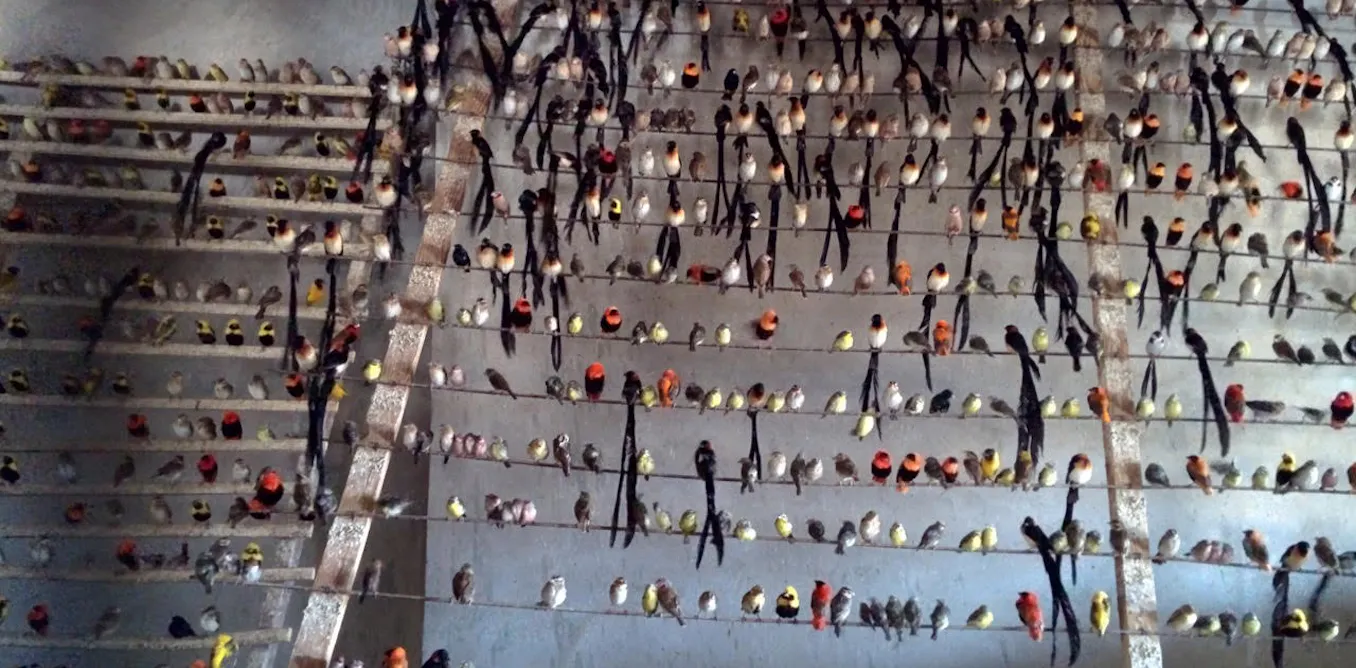
Image: The Conversation
The global trade in wild birds, particularly from Africa to markets like Hong Kong and Singapore, poses significant risks to wildlife conservation and public health. With over 1 million birds imported since 2006, the lack of regulation and monitoring leaves ecosystems vulnerable to disease and population declines.
- 01Over 1 million birds imported into Hong Kong and Singapore since 2006, primarily from Africa.
- 02Trade largely unregulated, with 80% of bird species not listed by CITES.
- 03Major risks include disease transmission and ecological impacts from released or escaped birds.
- 04Countries like Tanzania have restricted exports to protect native species.
- 05Improved monitoring and species-level data reporting are essential for better management.
Advertisement
In-Article Ad
The global trade in wild birds, particularly from African nations to hubs like Hong Kong and Singapore, remains poorly monitored, posing risks to wildlife conservation and human health. Since 2006, over 1,085,000 birds have been imported into these markets, with 65% originating from Africa, primarily from countries such as Mali and Mozambique. Most of these birds are not bred in captivity and are not regulated under the Convention on International Trade in Endangered Species (CITES), which lists only a fraction of bird species. The trade is dominated by small songbirds, particularly canaries, which account for a significant portion of imports. Despite many species being classified as
Advertisement
In-Article Ad
The unregulated trade in wild birds can lead to declines in local bird populations and increase the risk of zoonotic diseases, affecting both wildlife and human communities.
Advertisement
In-Article Ad
Reader Poll
Should countries implement stricter regulations on the trade of wild birds?
Connecting to poll...
Read the original article
Visit the source for the complete story.