



India's Gaganyaan Crew Module Successfully Tests Parachute Landing System
10-Parachute Landing System Successfully Tested For Gaganyaan Crew Module
 Ndtv
Ndtv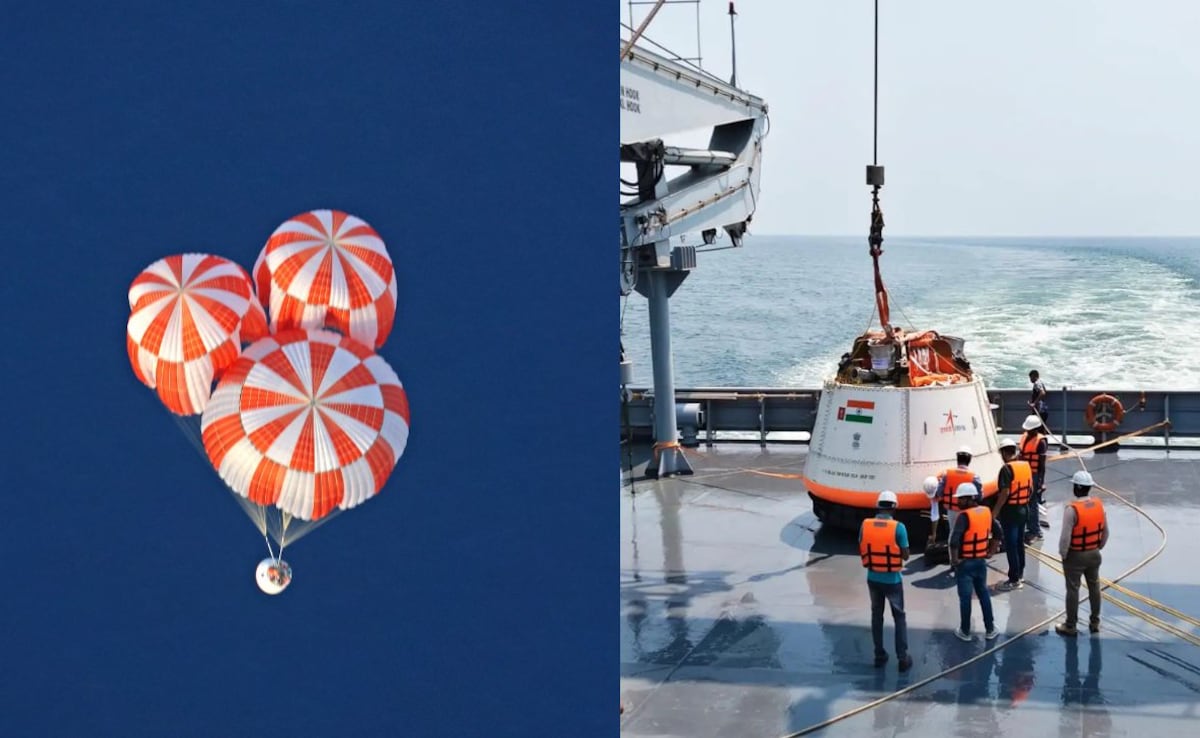
Image: Ndtv
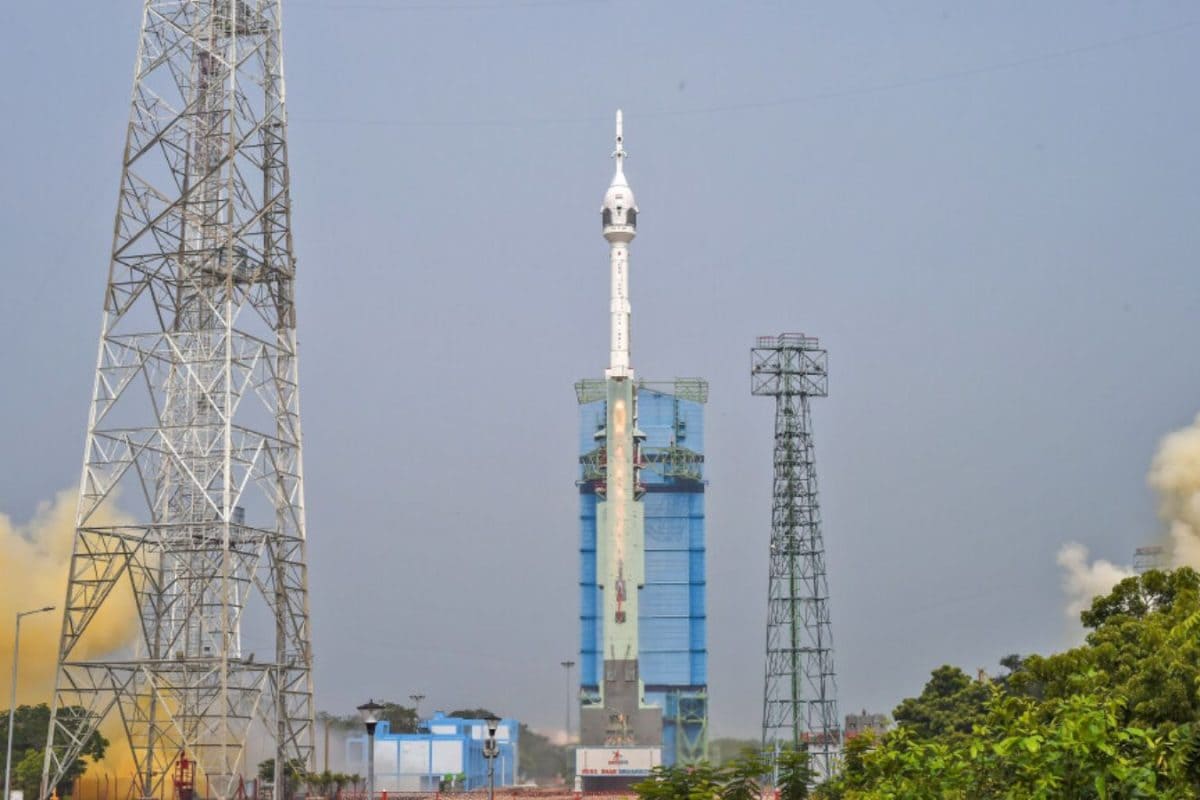
The Indian Space Research Organisation (ISRO) successfully conducted the second Integrated Air Drop Test (IADT-02) for the Gaganyaan Crew Module at the Satish Dhawan Space Centre in Sriharikota, India. This crucial test validated the parachute-based deceleration system, ensuring astronaut safety during atmospheric re-entry and splashdown.
- 01ISRO's IADT-02 tested the parachute landing system for the Gaganyaan Crew Module.
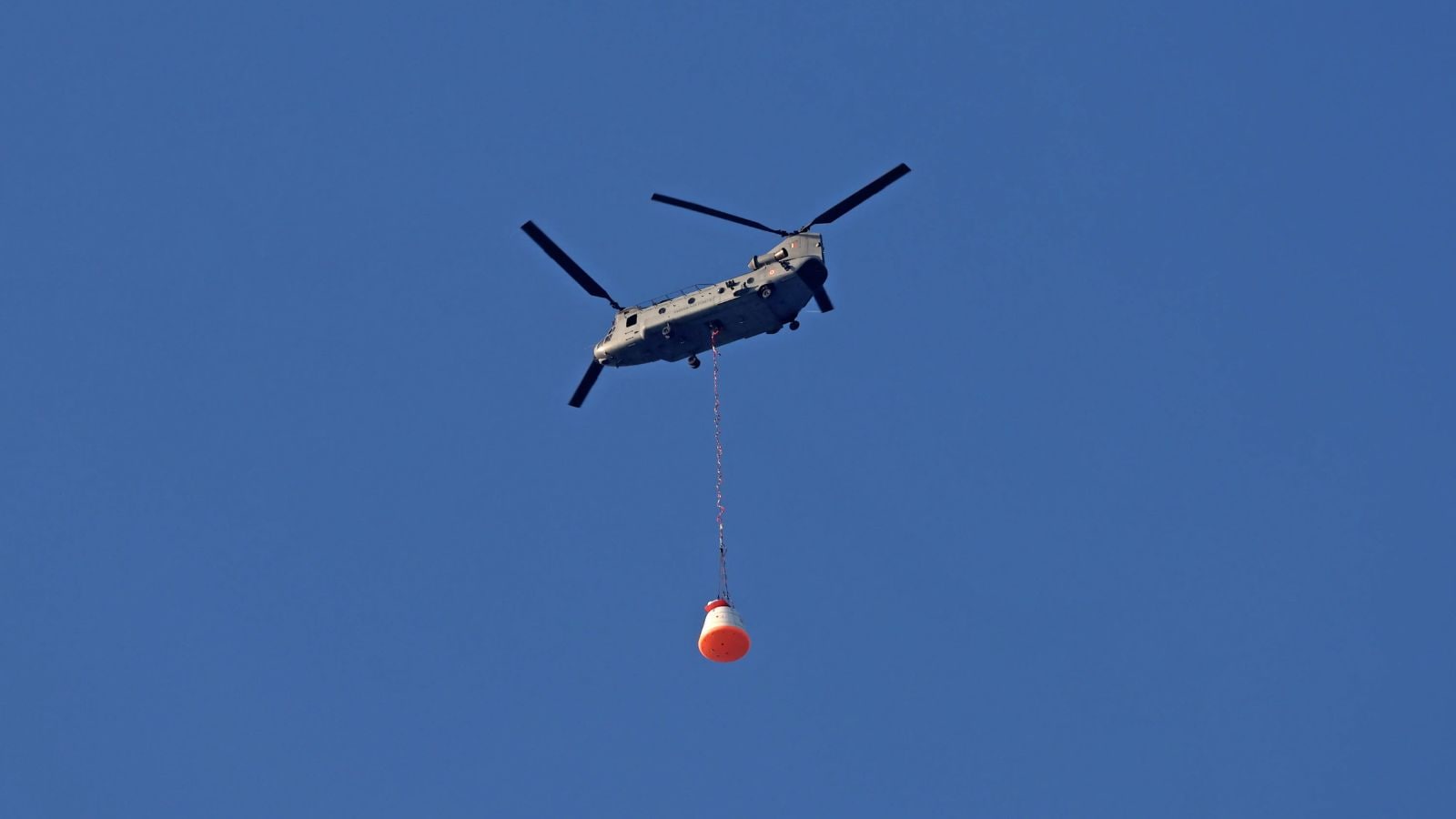
- 02The test involved a simulated module weighing 5.7 tonnes, released from a Chinook helicopter.
- 03Ten parachutes of four types were deployed to ensure a controlled splashdown.
- 04The Gaganyaan mission is India's most expensive scientific project, costing over ₹10,000 crore (roughly $1.2 billion USD).
- 05The successful test involved collaboration among multiple Indian defense organizations.
Advertisement
In-Article Ad
On Friday, the Indian Space Research Organisation (ISRO) conducted the second Integrated Air Drop Test (IADT-02) for the Gaganyaan Crew Module at the Satish Dhawan Space Centre in Sriharikota, India. This test is a significant milestone in validating the parachute-based deceleration system necessary for the safe return of Indian astronauts, known as Gaganyatris, after their missions. During the test, a simulated Crew Module weighing 5.7 tonnes was airlifted by an Indian Air Force Chinook helicopter to an altitude of approximately three kilometers. The module was then released over the Bay of Bengal, where a sequence of ten parachutes was deployed to ensure a controlled splashdown. The successful execution of this test emphasized the importance of real-world validation in human spaceflight missions, as theoretical models alone cannot guarantee safety. The Gaganyaan mission is India's most ambitious space project, with costs exceeding ₹10,000 crore (roughly $1.2 billion USD), showcasing the nation's growing capabilities in space technology. The test involved collaboration with various Indian defense organizations, including the Indian Navy and the Defence Research and Development Organisation (DRDO). As India progresses towards its first crewed space mission, the successful completion of IADT-02 marks a critical step in ensuring the safety and success of future Gaganyatris.
Advertisement
In-Article Ad
The successful testing of the parachute system enhances India's capabilities in human spaceflight, potentially leading to advancements in technology and safety for future missions.
Advertisement
In-Article Ad
Reader Poll
Do you support India's efforts in human spaceflight through the Gaganyaan mission?
Connecting to poll...
More about Indian Space Research Organisation
Read the original article
Visit the source for the complete story.