



The Shahed-136 Drone: A Game Changer in Modern Warfare
A low-cost drone in wide use
 Business Standard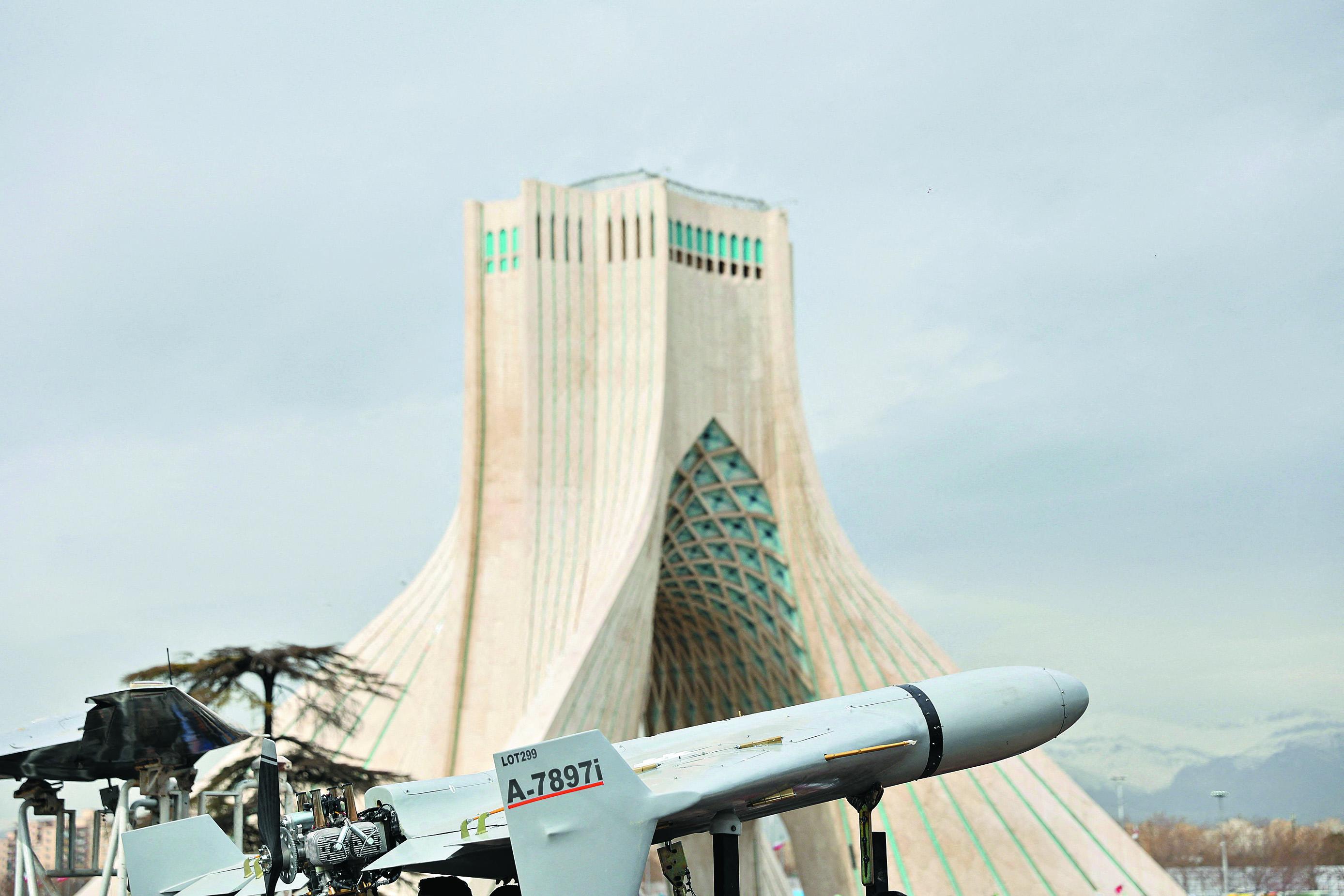
Image: Business Standard
The Shahed-136 drone, developed by Iran, is a low-cost loitering munition widely used in recent conflicts, including against the US and Israel. Designed for mass deployment, it can strike targets over 1,000 km away, posing significant challenges to air defense systems due to its cost-effectiveness.
- 01The Shahed-136 drone is designed for low-cost mass deployment in warfare.
- 02It has a range of over 1,000 km and can operate at altitudes up to 4,000 m.
- 03The drone's cost-effectiveness poses a significant challenge to air defense systems.
- 04Similar models have been developed by other countries, including Russia and the US.
- 05The operational logic emphasizes overwhelming air defenses through sheer quantity.
Advertisement
In-Article Ad
The Shahed-136, developed by Iran's Shahed Aviation Industries, is a low-cost loitering munition drone that has gained prominence in recent military conflicts, particularly in actions against the United States and Israel. Measuring approximately 3.5 meters in length and weighing around 200 kilograms, the drone is designed for one-way attacks, capable of striking targets over 1,000 kilometers away. Its unique delta-wing configuration and use of a small piston engine allow it to fly at speeds of 185 kilometers per hour and operate at altitudes ranging from 50 meters to nearly 4,000 meters. The drone is equipped with a high-explosive warhead weighing between 30 kg and 50 kg, making it effective against critical infrastructure and military targets.
The Shahed-136 can be launched from truck-mounted racks, enhancing its mobility and making it harder for enemies to intercept. Its operational philosophy emphasizes low-cost mass deployment, allowing for saturation of air defenses. Brigadier Anshuman Narang (retired) explains that the economic disparity between the cost of the Shahed-136 (under $50,000) and the interceptor missiles (over $1 million) poses a significant challenge for air defense systems. This cost imbalance creates a strategic advantage for forces employing such drones, as they can overwhelm defenses with sheer numbers, thereby increasing the likelihood of successful strikes.
Advertisement
In-Article Ad
The widespread use of low-cost drones like the Shahed-136 could shift military strategies, making traditional air defense systems less effective and prompting countries to invest in more advanced interception technologies.
Advertisement
In-Article Ad
Reader Poll
Do you think low-cost drones will change modern warfare strategies?
Connecting to poll...
Read the original article
Visit the source for the complete story.