




How Washing Clothes in Cold Water Can Reduce Microfiber Pollution
Cold Water Laundry Secret: The Only Simple Way To Stop Synthetic Microfibers From Breaking Down
 The Economic Times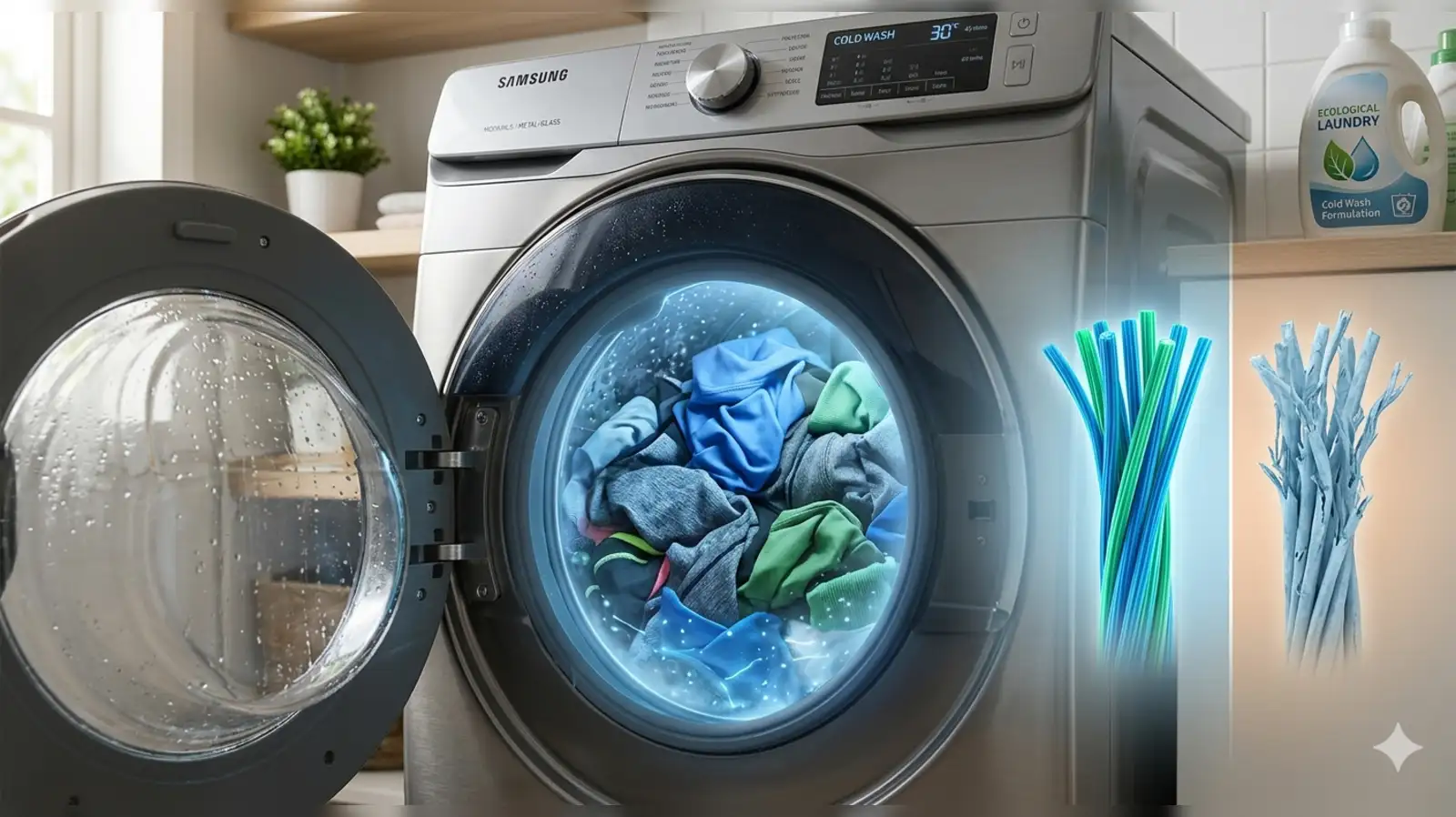
Image: The Economic Times
Washing clothes in cold water significantly reduces the release of synthetic microfibers into waterways, a major source of plastic pollution. Studies show that this simple change can cut microfiber shedding by up to 30%, helping protect marine ecosystems worldwide.
- 01Washing clothes in cold water can reduce microfiber shedding by up to 30%.
- 02Synthetic microfibers are a major source of plastic pollution, accounting for 35% of primary microplastics in marine environments.
- 03Hot water accelerates the breakdown of synthetic fibers, increasing pollution.
- 04Research indicates that cold washing is as effective as hot washing for cleaning clothes.
- 05Implementing cold water washing is a cost-free and immediate way to combat microfiber pollution.
Advertisement
In-Article Ad
Washing clothes in cold water is a simple yet effective method to combat the release of synthetic microfibers, which contribute significantly to plastic pollution in waterways. Studies indicate that washing at temperatures between 15°C and 20°C can reduce microfiber shedding by up to 30%. Synthetic microfibers, tiny plastic fibers that detach from fabrics during washing, account for approximately 35% of primary microplastics in marine environments, posing a threat to marine life and potentially entering the human food chain. Research from Procter & Gamble's Newcastle Innovation Center and the Ocean Wise Plastics Lab highlights that hot water accelerates the breakdown of synthetic fibers, leading to increased pollution. In contrast, cold washing preserves the structural integrity of fabrics, reducing the number of fibers released. This shift in laundry habits is supported by findings from multiple international studies, including those from Northumbria University and Japan's Institute for Global Environmental Strategies, which emphasize that controlling washing conditions, particularly temperature, is crucial for reducing microfiber emissions. By adopting cold water washing, consumers can significantly contribute to protecting marine ecosystems and minimizing microplastic pollution.
Advertisement
In-Article Ad
By washing clothes in cold water, individuals can help reduce plastic pollution in local waterways, benefiting marine ecosystems and public health.
Advertisement
In-Article Ad
Reader Poll
Do you wash your clothes in cold water to reduce pollution?
Connecting to poll...
Read the original article
Visit the source for the complete story.