

Ambedkar’s Warning: Who Truly Benefits from India’s Economic Growth?
Ambedkar’s warning still rings true: Who does India’s growth really serve? Not Dalit women
 The Indian Express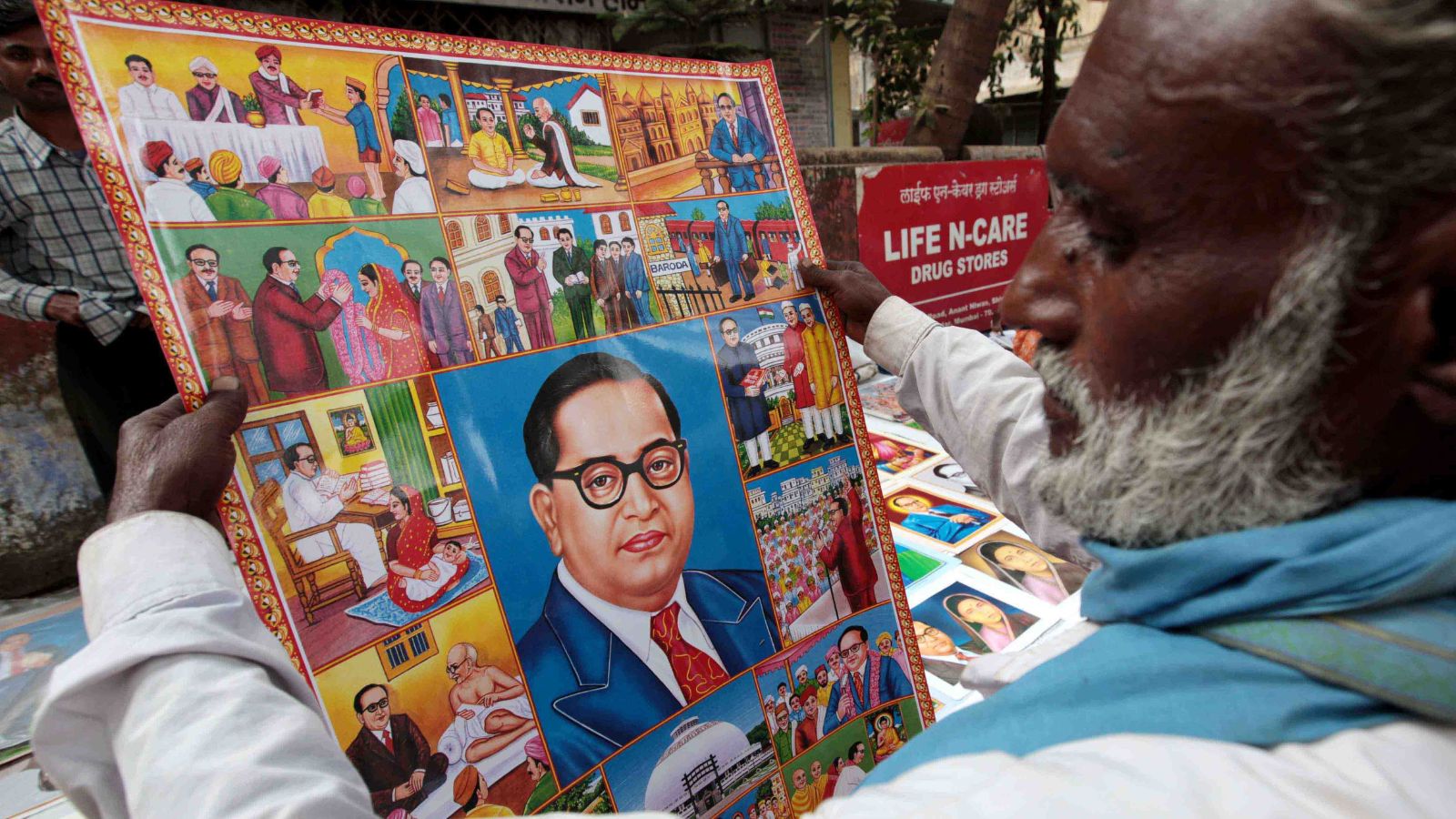
Image: The Indian Express
Context
India's economy has grown significantly, now valued at $3.5 trillion, driven by technology and entrepreneurship. However, this growth raises critical questions about who benefits, particularly marginalized groups such as Dalit women, who face intersectional oppression from caste, class, and gender.
What The Author Says
The author argues that India's economic growth serves the privileged while neglecting the systemic oppression faced by Dalit women.
Key Arguments
📗 Facts
- India's economy is valued at $3.5 trillion as of 2025.
- A report documented 113 instances of caste-based atrocities in India from January to June 2025.
- On average, around 10 cases of rape against Dalit women are reported daily.
📕 Opinions
- The author believes that India's growth narrative is fundamentally flawed if it ignores the plight of Dalit women.
- The author argues that superficial tributes to Ambedkar do not translate into real social change.
Counterpoints
Economic growth benefits all segments of society.
Proponents argue that overall economic growth can create jobs and opportunities that eventually reach marginalized communities, including Dalit women.
Legislation is sufficient for protecting rights.
Some may contend that existing laws provide adequate protection and that the focus should be on awareness and education rather than new legislation.
Caste issues are improving over time.
Others might argue that social attitudes towards caste are gradually changing, leading to better conditions for Dalit women in the long run.
Bias Assessment
The author emphasizes the systemic issues faced by Dalit women, potentially overlooking progress made in some areas.
Why This Matters
Recent reports indicate a troubling rise in caste-based violence and systemic discrimination against Dalit women, highlighting the urgent need for social reform and enforcement of existing laws.
🤔 Think About
- •How can India ensure that economic growth benefits marginalized communities?
- •What role does education play in changing societal attitudes towards caste?
- •Are existing laws sufficient to protect the rights of Dalit women, or is more needed?
- •How do we balance symbolic gestures of remembrance with actionable reforms?
Opens original article on The Indian Express
Advertisement
In-Article Ad
Reader Poll
Does India's economic growth benefit marginalized communities like Dalit women?
Connecting to poll...