
The Diminishing Case for Human Space Exploration
Congratulations to the Artemis II crew – but the case for sending astronauts into space is rapidly shrinking | Martin Rees and Donald Goldsmith
 The Guardian
Image: The Guardian
Context
The Artemis program, initiated by NASA, aims to return humans to the Moon and eventually send them to Mars. This program has sparked renewed interest in human space exploration amid competition between the United States and China.
What The Author Says
The authors argue that the justification for sending humans into space is rapidly diminishing due to advancements in robotic technology and the high costs associated with human spaceflight.
Key Arguments
📗 Facts
- The Artemis program has cost nearly $100 billion (£75 billion) as of 2025.
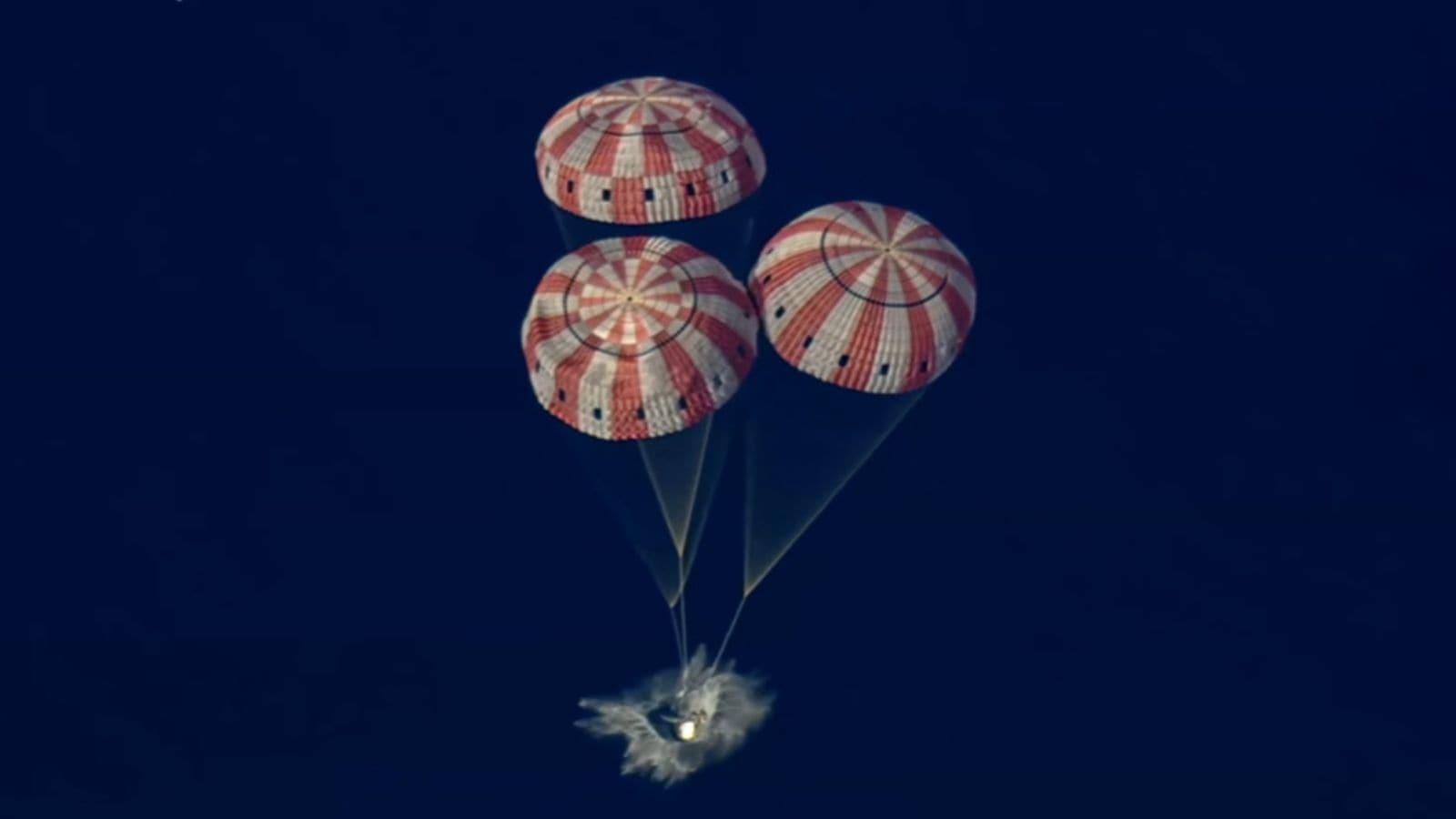
- NASA's Artemis II mission recently completed a 10-day journey around the Moon.
- China has successfully conducted multiple lunar missions, including soft landings and sample returns from the Moon.
📕 Opinions
- The authors believe that the inspiration provided by astronauts is not worth the high costs and risks involved.
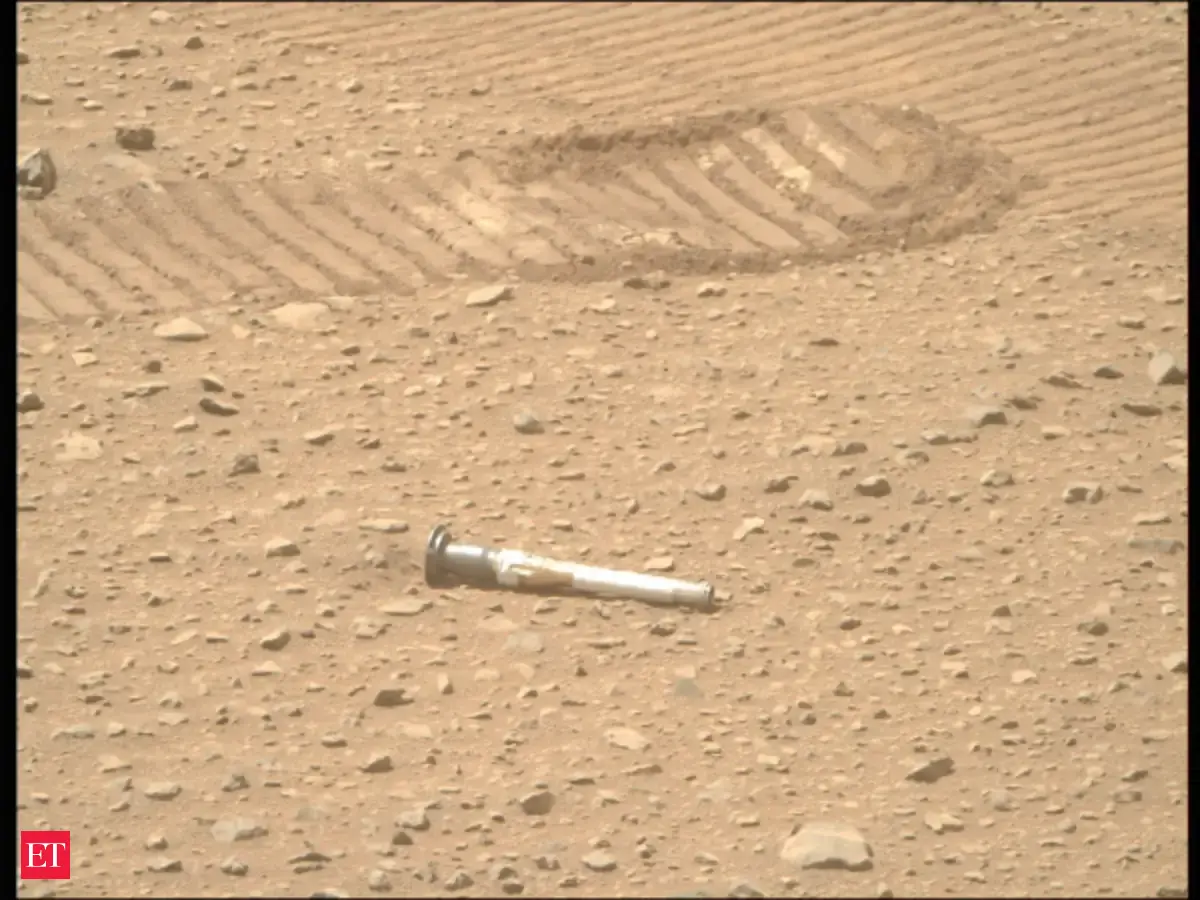
- They argue that the advancements in robotic technology make human space missions increasingly unnecessary.
Counterpoints
Human presence can inspire future generations.
Astronauts serve as role models and can ignite interest in STEM fields, which is crucial for future innovation.
Some missions may still require human intuition.
Complex decision-making in unpredictable environments may benefit from human oversight, especially in emergencies.
The political dimension of space exploration matters.
Human missions can strengthen international partnerships and geopolitical standing, which may be vital for global cooperation in space.
Bias Assessment
The authors focus heavily on the advantages of robotic exploration, potentially underestimating the value of human presence in space.
Why This Matters
As both the US and China ramp up their lunar missions, understanding the role of human astronauts versus robotic explorers is crucial for future space policy and funding.
🤔 Think About
- •What are the long-term implications of relying solely on robotic missions?
- •How can we balance the costs of human spaceflight with its potential benefits?
- •In what ways can human missions contribute to international cooperation in space?
- •Should the inspiration provided by astronauts be a significant factor in funding decisions?
Opens original article on The Guardian
Advertisement
In-Article Ad
Reader Poll
Should we prioritize human space exploration over robotic missions?
Connecting to poll...
More about NASA
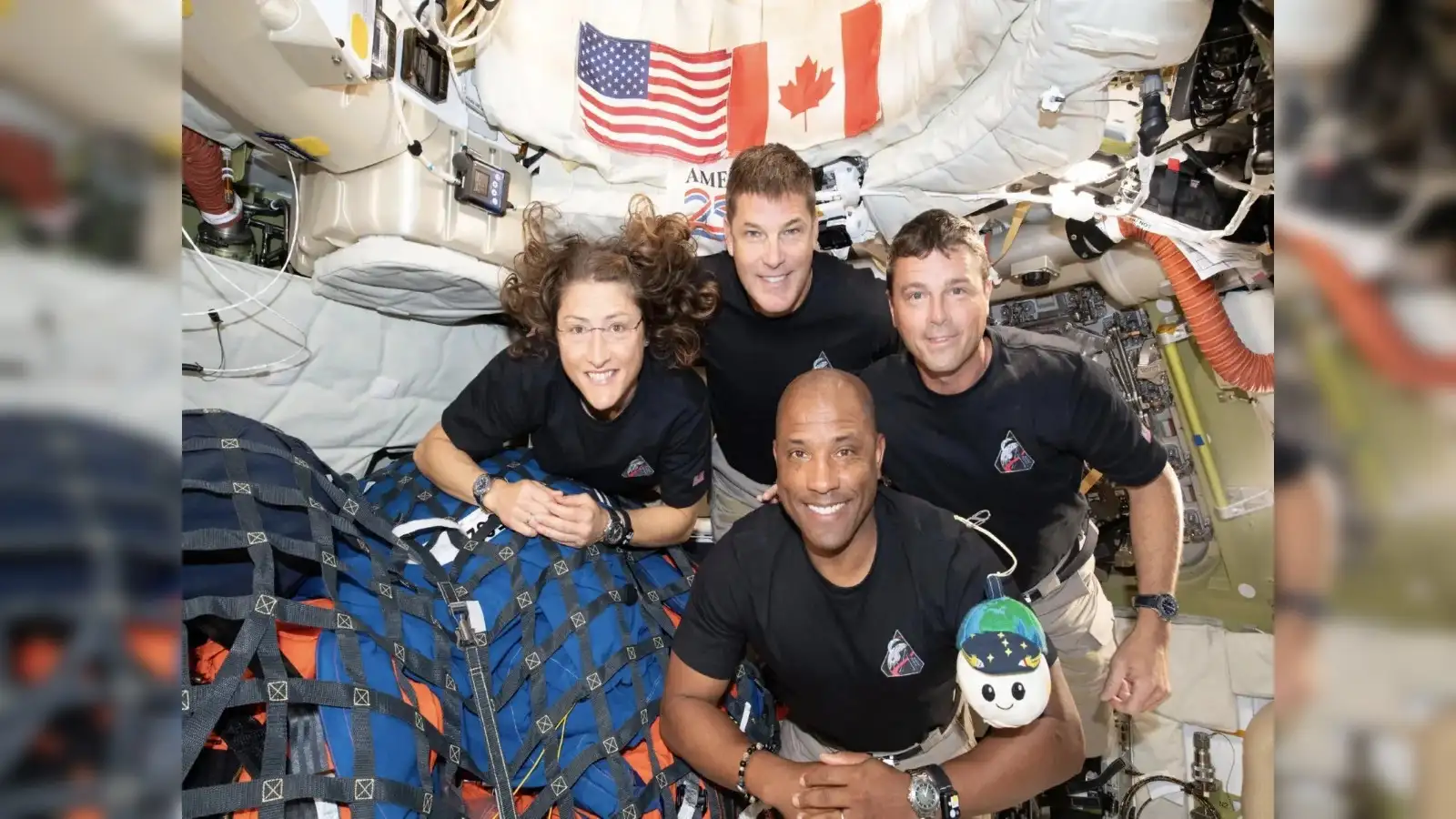
Historic Artemis II Mission Concludes with Successful Pacific Splashdown
The Economic Times • Apr 11, 2026
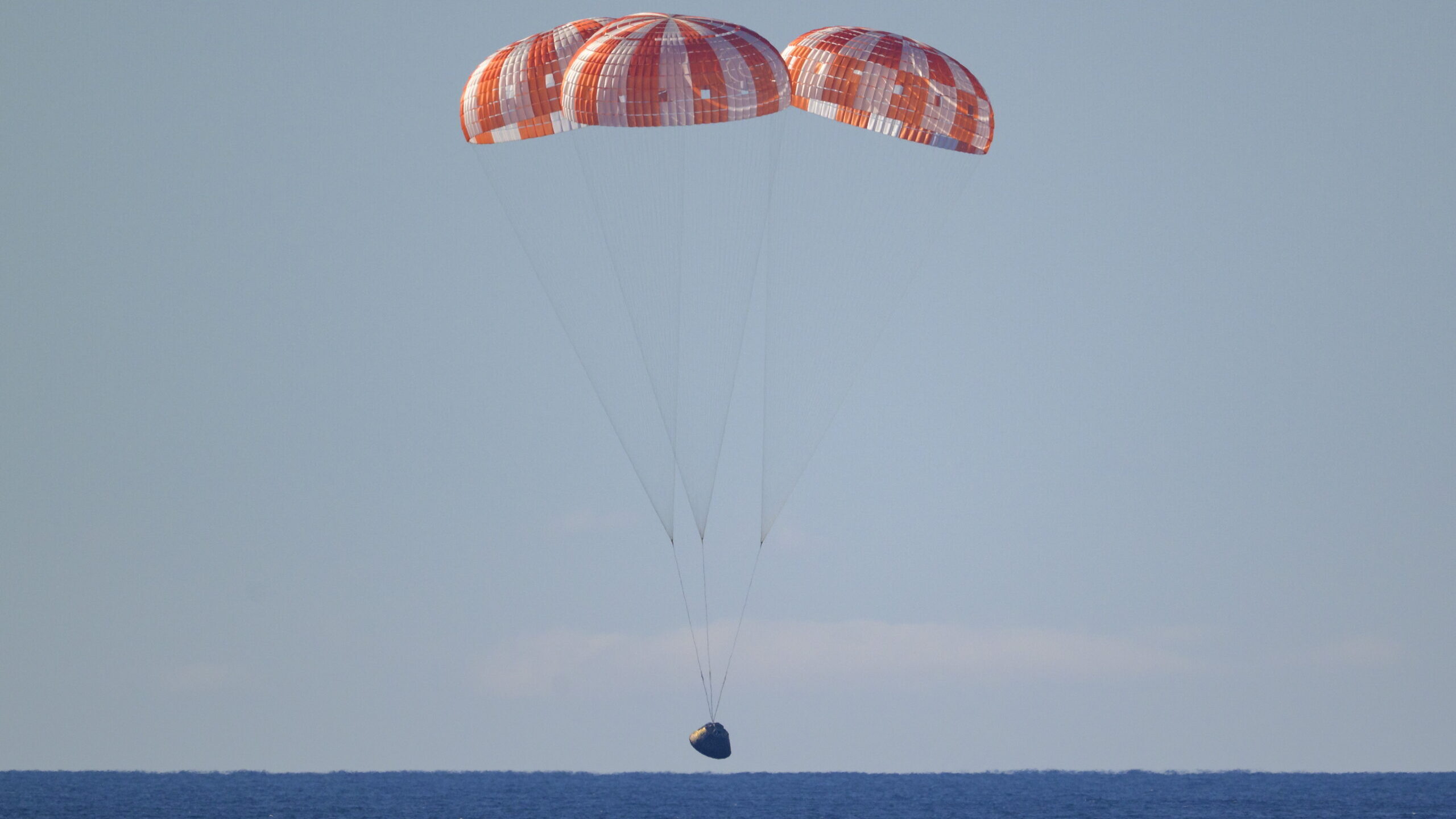
Missão Artemis II conclui com sucesso, marcando um novo capítulo na exploração lunar
Sapo • Apr 11, 2026

Gerónimo Villanueva: el argentino que lidera la exploración espacial en la misión Artemis II
Clarin • Apr 11, 2026

