


'Politics' in Cinema: More Than Just Government and Elections
'Politics' isn't only about political parties, government, elections... it's the principles that govern every aspect of our lives
 The Economic Times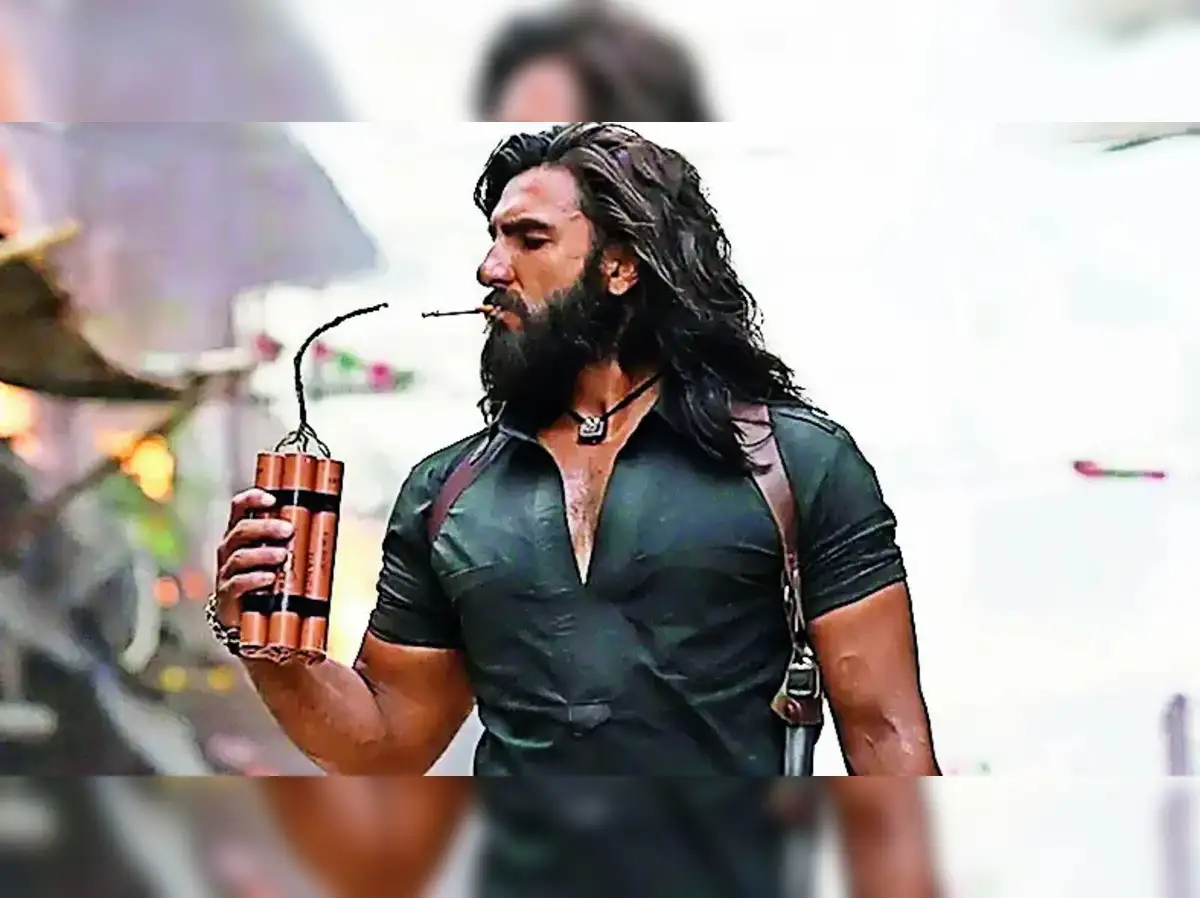
Image: The Economic Times
Context
Politics traditionally refers to the activities associated with governance and policy-making. However, it also encompasses broader societal principles that influence various aspects of life, including culture, media, and interpersonal dynamics.
What The Author Says
The author argues that politics is not confined to government or elections; it influences every facet of our lives, including the arts.
Key Arguments
📗 Facts
- The film 'Dhurandhar: The Revenge' portrays Pakistan in a negative light, reflecting political tensions.
- Tamil cinema has increasingly focused on dalit narratives in mainstream films over the past decade.
- The representation of Muslims and Christians is more normalized in Malayalam cinema compared to Hindi films.
📕 Opinions
- The author believes that all journalism, including film criticism, is inherently political.
- The author argues that dismissing cinema as 'just entertainment' undermines its societal impact.
Counterpoints
Not all films aim to be political.
Some argue that films can exist purely for entertainment, without a political agenda, and audiences may seek escapism rather than a political critique.
Artistic expression should be free from political scrutiny.
Critics may contend that imposing political interpretations on art limits creative freedom and could stifle artistic expression.
Different audiences interpret films uniquely.
Viewers may have diverse interpretations of films based on personal experiences, suggesting that not all audiences perceive political messages in the same way.
Bias Assessment
The author focuses on the political dimensions of art, potentially overlooking the value of purely entertaining narratives.
Why This Matters
Recent geopolitical tensions, such as threats from political leaders and portrayals of nations in media, highlight the intertwining of politics and cultural representation. The representation of marginalized communities in cinema is a pressing issue in contemporary discourse.
🤔 Think About
- •How do different cultures influence the political narratives in their cinema?
- •Can a film be both entertaining and politically significant?
- •What are the implications of ignoring political contexts in film reviews?
- •How might audiences react differently to political themes in films based on their backgrounds?
Opens original article on The Economic Times
Advertisement
In-Article Ad
Reader Poll
Should film criticism always consider political implications?
Connecting to poll...

