






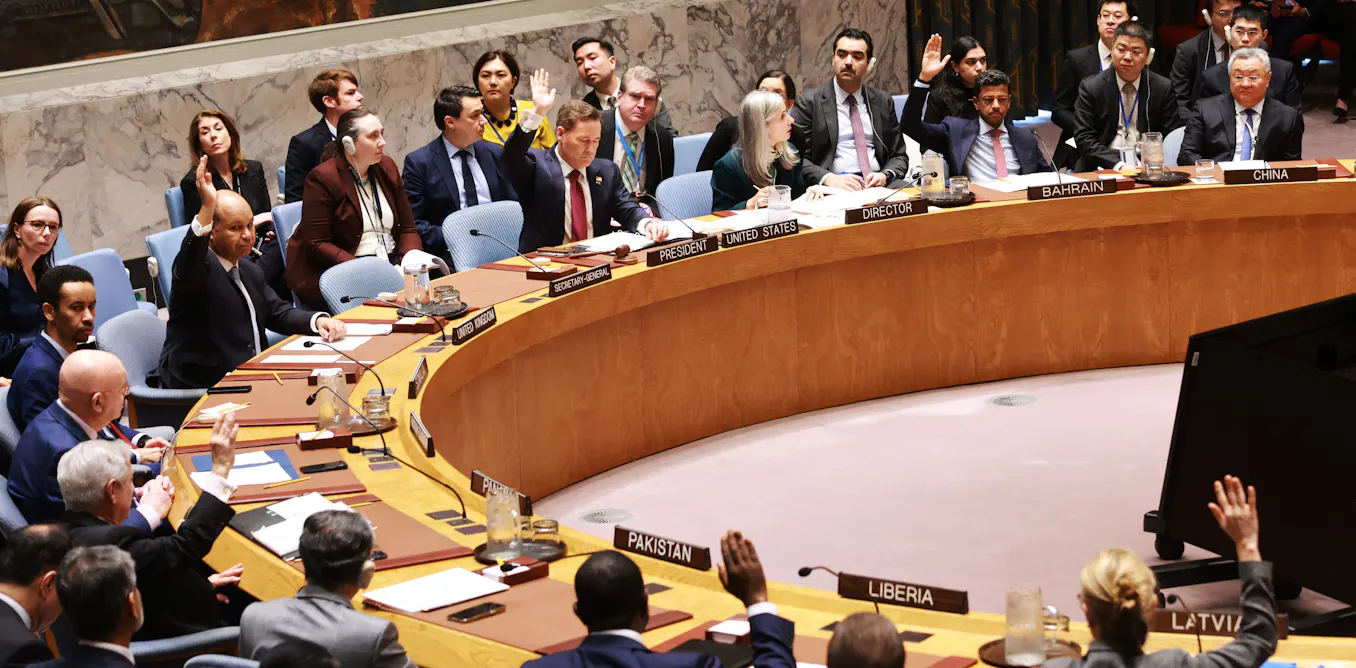
Trump's Stance on Iran's Shipping Tolls Sparks Global Maritime Concerns
Who will bell the tolls? Trump sows chaos in world waterways
 The Times Of India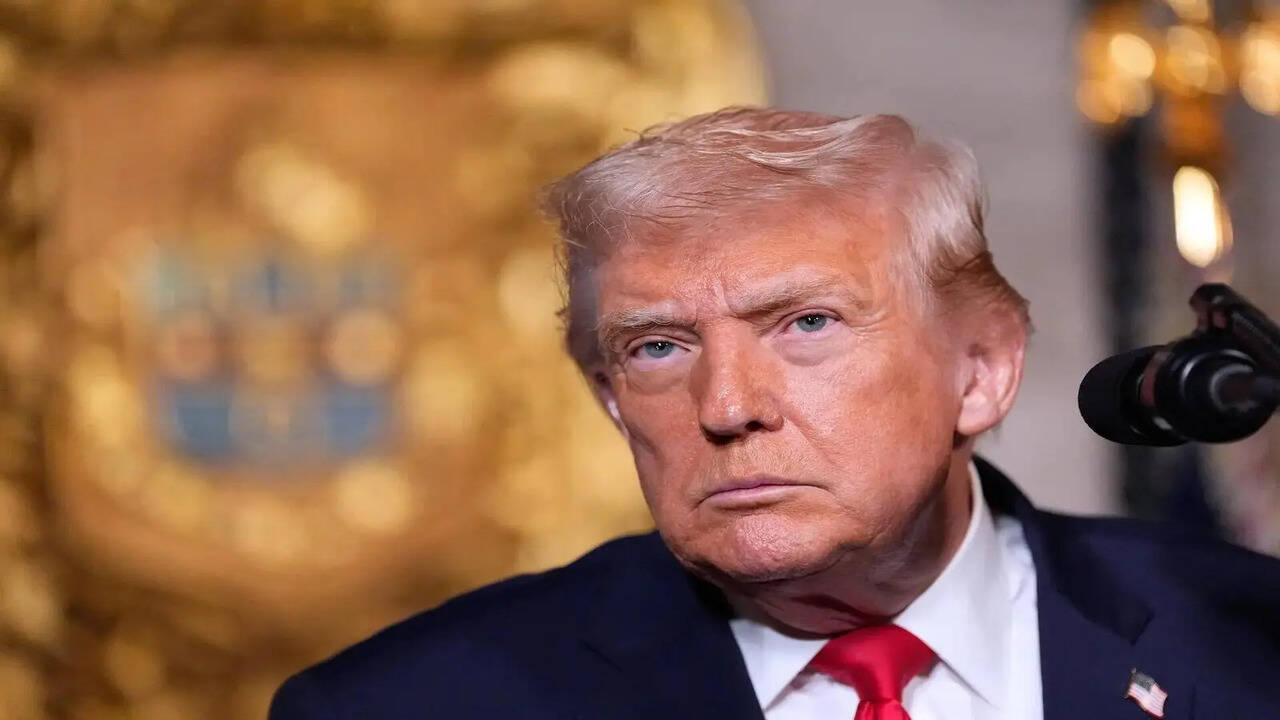
Image: The Times Of India
US President Donald Trump has warned Iran against charging fees for ships passing through the Strait of Hormuz, reversing his previous endorsement of such tolls. This shift raises critical questions about maritime law and could have significant implications for global trade, particularly affecting oil supply routes vital to economies like India.
- 01Trump's warning to Iran about tolls in the Strait of Hormuz marks a shift from his earlier position.
- 02The legality of Iran's reported tolls is disputed under the United Nations Convention on the Law of the Sea.
- 03If Iran enforces tolls, it could set a dangerous precedent for other natural straits worldwide.
- 04The Strait of Hormuz is crucial for global oil supply, handling about 20% of the world's oil.
- 05The potential for tolls could disrupt shipping routes and increase costs for countries reliant on these waterways.
Advertisement
In-Article Ad
US President Donald Trump has issued a stark warning to Iran regarding its alleged plans to charge tolls for ships navigating the Strait of Hormuz, a vital maritime chokepoint that facilitates roughly 20% of the world's oil supply. Trump's reversal from an earlier endorsement of such fees has left diplomats and legal experts grappling with the implications of maritime law. Under the United Nations Convention on the Law of the Sea (UNCLOS), the Strait qualifies as an 'international strait,' where coastal states like Iran are prohibited from levying blanket tolls. Experts argue that Iran's potential move to impose tolls, possibly in cryptocurrency, violates both treaty law and customary practices. If successful, this could set a troubling precedent, potentially encouraging other nations, including India and China, to impose similar charges in their respective waters. The stakes are high, as the Strait of Hormuz is crucial for countries like India, which relies on it for 40% of its oil imports and 90% of its LNG. The uncertainty surrounding tolls could lead to increased shipping costs and disrupt global supply chains, prompting concerns from energy-dependent economies like Japan.
Advertisement
In-Article Ad
The potential for Iran to impose tolls could significantly affect India's energy imports and overall shipping costs, leading to increased prices for consumers and businesses reliant on these resources.
Advertisement
In-Article Ad
Reader Poll
Do you think countries should be allowed to charge tolls for passage through international waterways?
Connecting to poll...
More about United Nations
Read the original article
Visit the source for the complete story.