



Pakistan Faces Economic Crisis Amid UAE Loan Repayment Demand
For a few billion dollars, Pakistan has landed in dire straits
 economictimes_indiatimes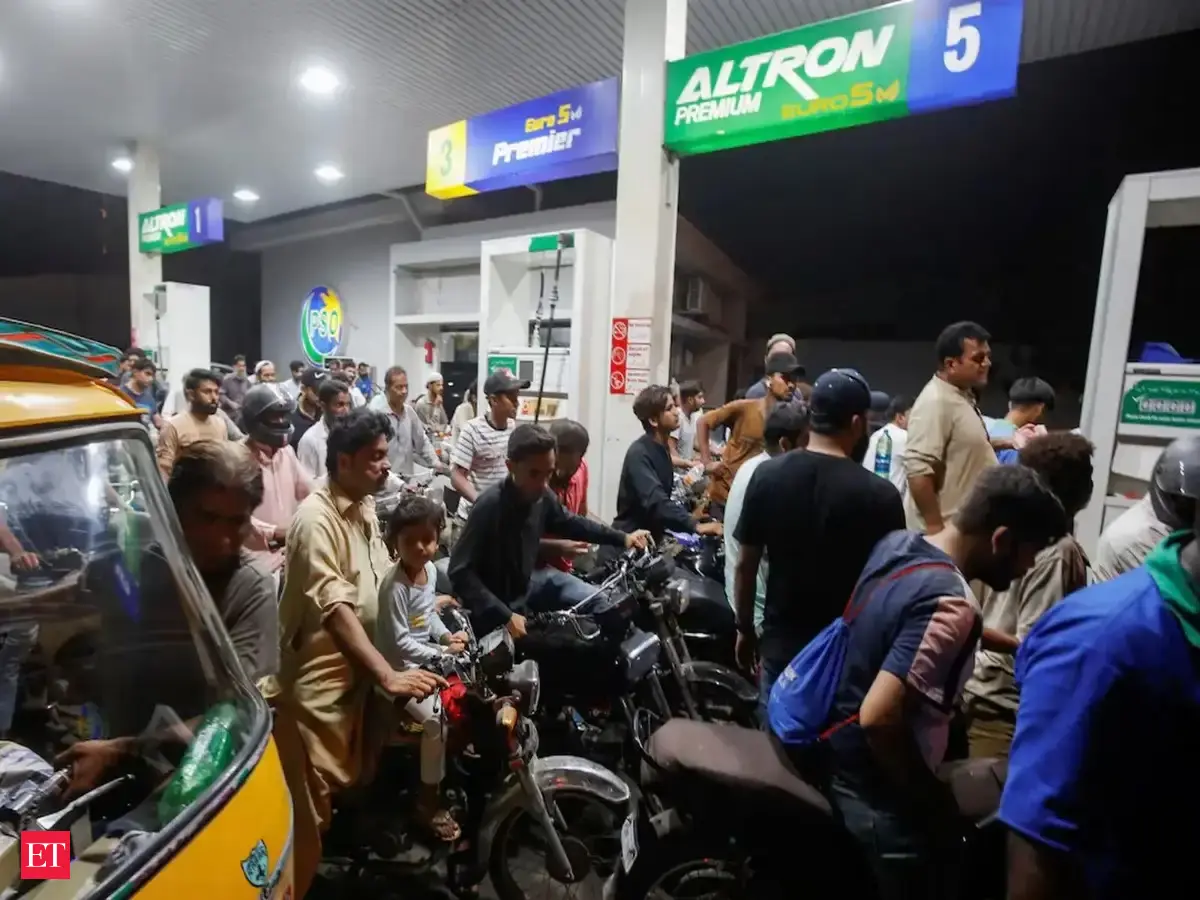
Image: economictimes_indiatimes
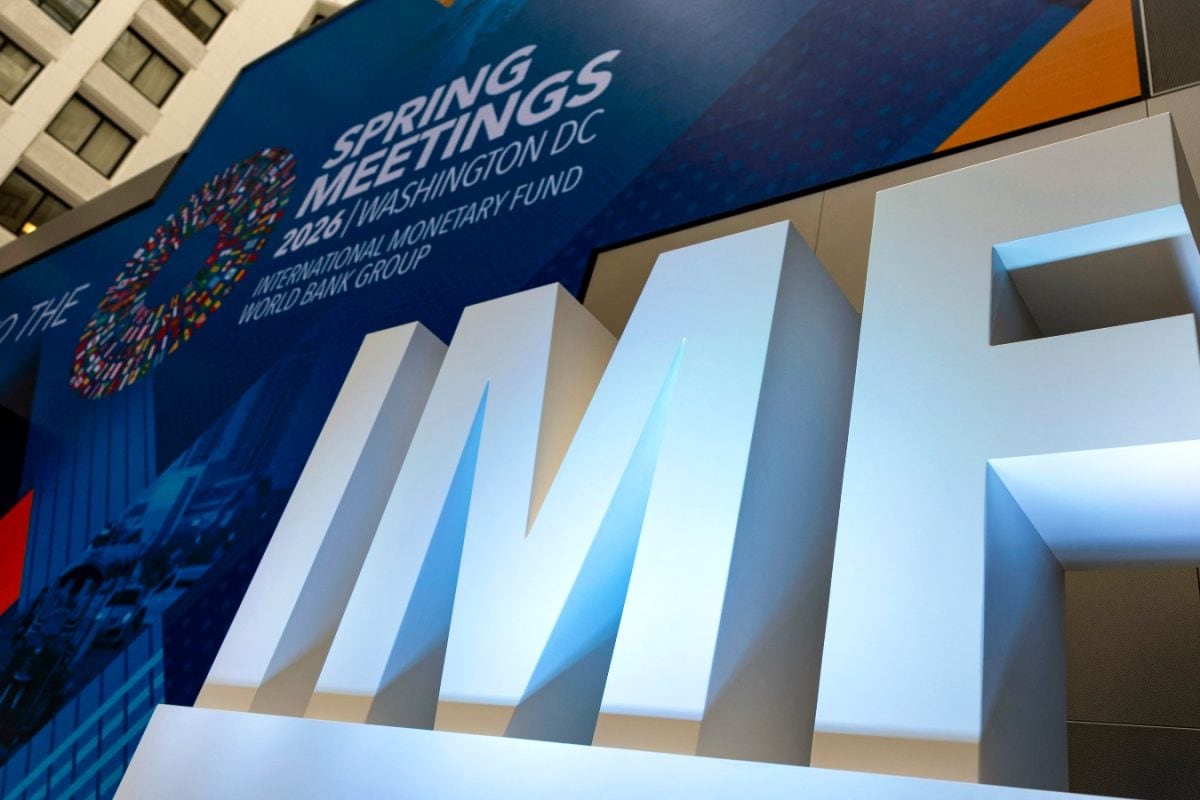
Pakistan's economy is under severe strain as the United Arab Emirates demands repayment of a $3 to $3.5 billion loan, disrupting a pattern of rollovers. With foreign reserves at approximately $16.4 billion, this repayment could destabilize the country's financial situation and complicate its commitments to the International Monetary Fund (IMF).
- 01The UAE has demanded repayment of a $3 to $3.5 billion loan, breaking a long-standing rollover pattern.
- 02This repayment represents nearly one-fifth of Pakistan's foreign exchange reserves, which are currently at $16.4 billion.
- 03The situation raises concerns about Pakistan's ability to meet IMF conditions and maintain access to international financing.
- 04Pakistan is exploring various financing options, including Eurobonds and commercial loans, to rebuild its reserves.
- 05The crisis highlights deeper structural issues in Pakistan's economy, including reliance on external borrowing and a narrow export base.
Advertisement
In-Article Ad
Pakistan's economic stability is threatened following the United Arab Emirates' (UAE) unexpected demand for the repayment of a $3 to $3.5 billion loan, disrupting a pattern of rollovers that had been in place for years. This repayment represents nearly one-fifth of Pakistan's foreign exchange reserves, which are currently at approximately $16.4 billion, sufficient to cover just three months of imports. Analysts express concern that this sudden financial pressure could jeopardize Pakistan's commitments to the International Monetary Fund (IMF), which requires countries to maintain minimum net international reserve levels. If reserves fall below these thresholds, Pakistan risks breaching program conditions, potentially delaying future IMF funding and complicating access to other financing sources. In response, Pakistan's Finance Minister Muhammad Aurangzeb announced that the government is exploring various financing avenues, including Eurobonds and commercial loans. However, these options are complicated by investor confidence issues and high interest rates. The current crisis underscores Pakistan's longstanding economic vulnerabilities, including a narrow export base and heavy reliance on external borrowing, which leave it exposed to sudden financial shocks.
Advertisement
In-Article Ad
The repayment demand could lead to increased economic instability in Pakistan, affecting import capabilities and financial obligations.
Advertisement
In-Article Ad
Reader Poll
What should Pakistan prioritize to stabilize its economy?
Connecting to poll...
More about International Monetary Fund
Read the original article
Visit the source for the complete story.